The global demand for cervical traction devices has seen an unprecedented surge over the last decade. As the world transitions into a digital-first era, "Tech Neck" and chronic cervical spondylosis have become universal health challenges. Market research indicates that the global orthopedic support and traction market is expanding at a CAGR of over 6.5%, driven by the rising geriatric population and the increasing prevalence of sedentary lifestyles among office professionals.
In industrial sectors, there is a growing shift from clinical-grade bulky equipment to portable, home-use cervical traction solutions. Procurement managers for hospitals and rehabilitation centers are now looking for devices that offer clinical efficacy while being user-friendly enough for patients to operate independently. As a China Top Cervical Traction Devices Supplier, we are at the forefront of this transition, integrating advanced materials like graphene and medical-grade polymers into our production lines.
Focusing on non-invasive pain management, smart integrated therapy (heat + traction), and lightweight ergonomic designs for mobile users.
Moving from traditional mechanical weights to air-pressure systems and intelligent electronic cervical alignment tools.
Bulk buyers in the US, Europe, and Japan prioritize FDA/CE certifications, supply chain stability, and OEM customization capabilities.
Shandong Ospiel Medical Co., Ltd. was founded in 2016 and is headquartered in Shandong, China—a region renowned for its advanced manufacturing capabilities and medical device industry. The company is strategically located in a high-tech industrial zone, benefiting from excellent infrastructure and innovation-driven resources.
With over 10 years of dedicated development, we are committed to designing and manufacturing nursing care and rehabilitation products that focus on ergonomic support, postural alignment, and pain/pressure management for sedentary lifestyles, bedridden care, senior care, and chronic pain management.
Years of R&D Experience
Countries Exported To
International Standards
Quality Inspection
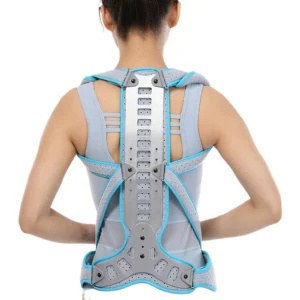
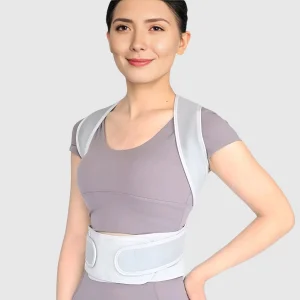
Cushions, back braces, and support devices designed for prolonged sitting, office workers, vehicle use, and bedridden patients to alleviate back pain and improve posture.
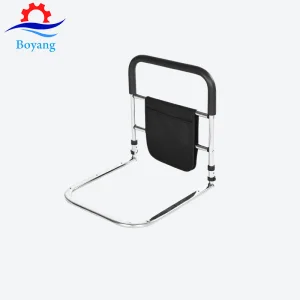
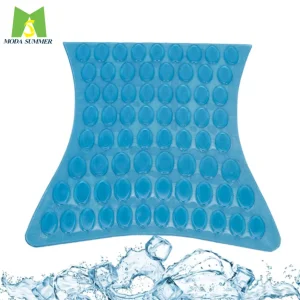
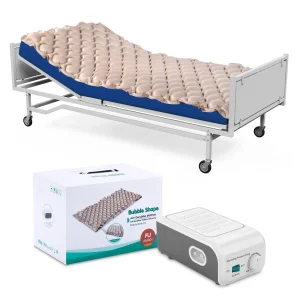
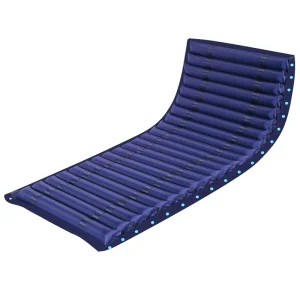
Wheelchair seat cushions, pressure ulcer prevention products, and mobility transfer aids designed specifically for the comfort of the elderly.
Lumbar IF Therapy Units, smart massage cushions, and infrared therapeutic lamps—professional equipment for modern rehabilitation centers.
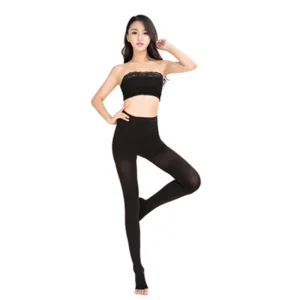
Advanced solutions designed to minimize skin breakdown risks and enhance musculoskeletal stability during both active and passive recovery.
As a leading China Cervical Traction Devices Supplier, Shandong Ospiel Medical offers unique advantages that Western manufacturers often struggle to match:
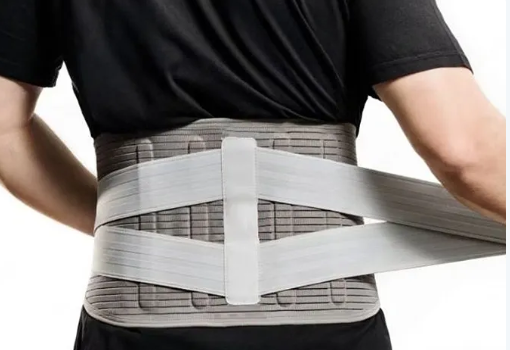
Our products are engineered for diverse environments, ensuring that whether at home or in a clinic, users receive the best postural support.
Reducing workplace absenteeism by providing ergonomic lumbar and cervical support for office-bound employees.
Assisting physiotherapists in post-surgical recovery and chronic spinal alignment therapy in hospitals.
Empowering patients to manage chronic neck and back pain safely from the comfort of their living room.
Portable traction and support devices for frequent travelers and individuals with limited mobility.
Looking forward, the Cervical Traction Devices industry is embracing "Medical IoT." Future devices will likely feature sensors that track the pressure applied during traction and sync with mobile apps to provide real-time feedback to doctors. At Shandong Ospiel Medical, we are already investigating the use of Graphene Far-Infrared technology to enhance blood circulation during cervical stretching.
Our commitment to sustainability is also a core pillar of our growth. By using eco-friendly materials and energy-efficient manufacturing, we reduce the environmental footprint while delivering medical-grade excellence. Trusted by partners in over 15 countries, including the United States, Germany, and Japan, we continue to bridge the gap between traditional nursing care and futuristic medical technology.
 Ospiel Medical