 Ospiel Medical
As the historic heart of the American automotive industry and a major Midwestern hub for logistics, healthcare, and advanced manufacturing, the Detroit metropolitan area presents a unique set of occupational health challenges. In heavy manufacturing plants, transport logistics networks, and high-density corporate offices across Wayne, Oakland, and Macomb counties, prolonged sitting and physical strain are major contributors to musculoskeletal disorders (MSDs), specifically coccydynia (tailbone pain), sciatica, and chronic lumbar fatigue.
Occupational health and safety data from the manufacturing sector shows that vehicle assembly line operators, long-haul freight drivers operating out of the Port of Detroit, and administrative support staff face significant risks from sustained static loading on the lower spine. Standard seating often fails to mitigate the micro-vibrations and uneven pressure distribution that accelerate spinal disc degeneration.
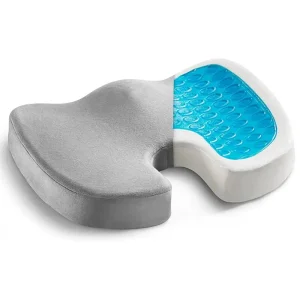
To address this, major institutions—ranging from the Detroit Medical Center (DMC) and Henry Ford Health System to massive automotive supply networks—are increasingly implementing standardized ergonomic programs. This shift has driven substantial local demand for medical-grade orthopedic cushions designed to offload pressure from the coccyx while promoting neutral pelvic tilt. Sourcing managers in Detroit are moving away from generic retail products toward clinically certified, high-density viscoelastic polyurethane and cooling gel seat cushions that offer verifiable durability and pressure relief.
According to ergonomic studies in heavy manufacturing and logistics sectors:
The human tailbone (coccyx) is a multi-segmented bone structure that acts as one of the three points of contact when a person is in a seated position. When sitting on flat or unyielding surfaces, the coccyx is forced to bear excess weight, compressing the surrounding nerves, ligaments, and soft tissues. This results in local inflammation, pain, and poor sitting posture that propagates up the spinal column to the lumbar region.
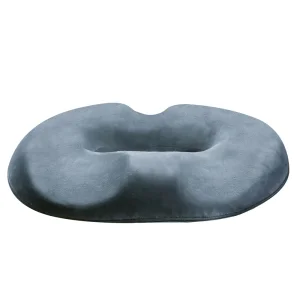
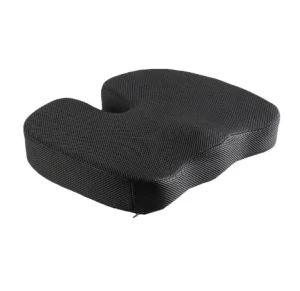
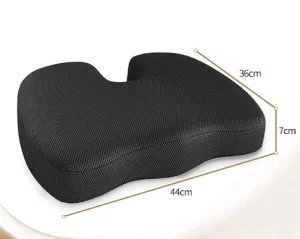
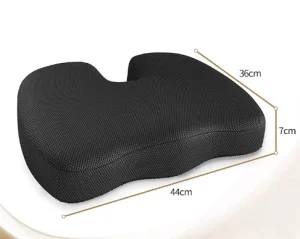
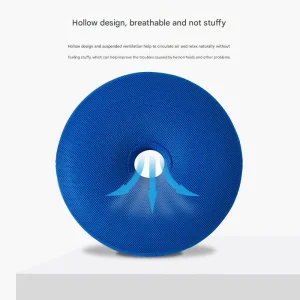
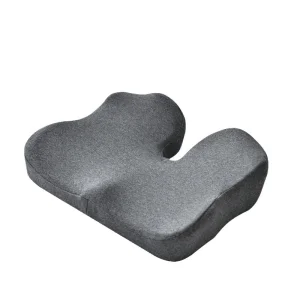
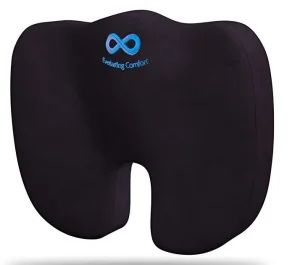
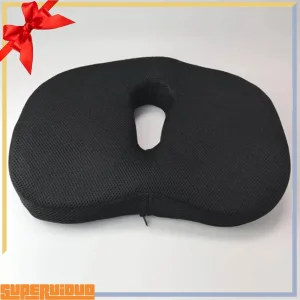
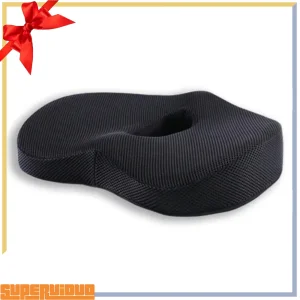
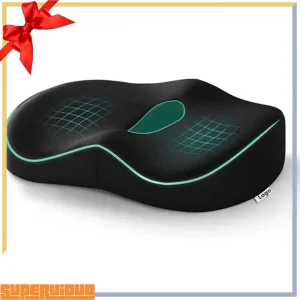
Our precision U-shaped and hollow-center donut designs feature a physical suspension gap. By suspending the tailbone above the seating surface, weight is redirected entirely to the ischial tuberosities (sitting bones), instantly reducing focal pressure on the coccyx structure.
We utilize high-density memory foam featuring open-cell thermo-responsive technology. The foam responds to body temperature and pressure, contouring precisely to the individual’s pelvic anatomy to evenly distribute body mass across the surface.
A subtle forward-sloping wedge profile tilts the pelvis slightly forward. This restores the natural lordotic curve of the lumbar spine, mitigating core muscle fatigue and preventing slouching over long working shifts.
Sourcing quality coccyx cushions for medical, corporate, or transport fleets requires understanding specific material performance metrics. The table below outlines our standard product specifications tailored for heavy B2B and clinical usage:
| Performance Property | Standard Specification Range | Testing Standard Method | Clinical Significance |
|---|---|---|---|
| Core Density | 50 kg/m³ to 80 kg/m³ (Customizable) | ASTM D3574 - Test A | Ensures long-term structural integrity and prevents bottoming-out. |
| Indentation Load Deflection (ILD) | 15 lbs to 45 lbs at 25% Deflection | ASTM D3574 - Test B1 | Defines the firmness level; adjustable for different body weight categories. |
| Resilience / Hysteresis | Less than 10% structural loss over 80k cycles | ISO 3385 (Constant Load Pounding) | Guarantees that the cushion retains its ergonomic shape under shift work. |
| Flammability | CA117-2013, BS5852 Section 4 | Technical Bulletin 117 | Meets occupational safety standards for corporate offices and transit vehicles. |
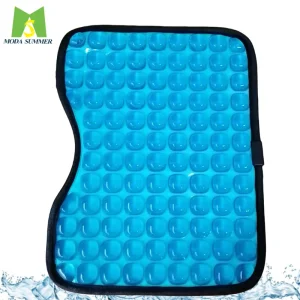
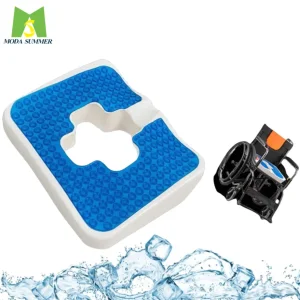
| Thermoregulation | PCM (Phase Change Material) / Infused Gel Grid | Internal Thermal Imagery Testing | Prevents heat retention, keeping surface temperatures down by up to 2.5°C. |
Shandong Ospiel Medical Co., Ltd. was founded in 2016 and is headquartered in Shandong, China—a region renowned for its advanced manufacturing capabilities and medical device industry. The company is strategically located in a high-tech industrial zone, benefiting from excellent infrastructure and innovation-driven resources.
With over 10 years of dedicated development, Shandong Ospiel Medical is committed to designing and manufacturing nursing care and rehabilitation products that focus on ergonomic support, postural alignment, and pain/pressure management for sedentary lifestyles, bedridden care, senior care, and chronic pain management.
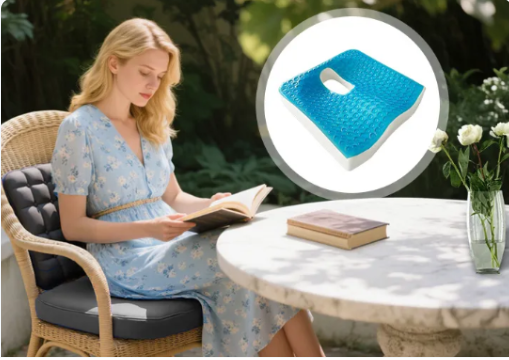
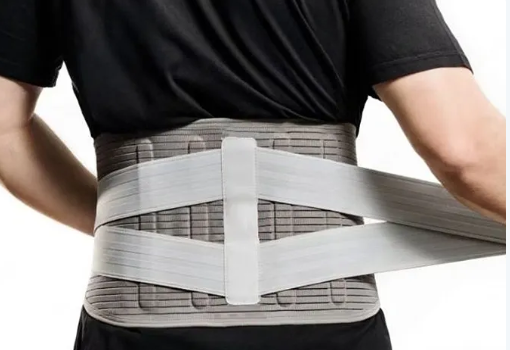
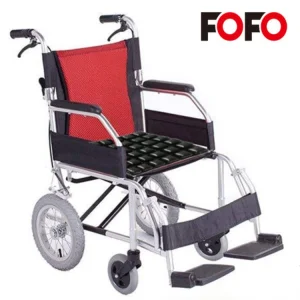
Cushions, back braces, and support devices engineered for long-haul drivers, corporate seating, and wheelchair users to reduce lower back pressure and correct alignment.
Wheelchair seat systems, pressure ulcer prevention pads, and advanced patient transfer aids customized for senior facilities and geriatric recovery programs.
Lumbar IF Therapy Units, smart thermal-massage cushions, infrared therapeutic lamps, and specialized clinical rehabilitation instrumentation.
Advanced designs built to minimize skin breakdown risks, stabilize the musculoskeletal structure, and assist active physical rehabilitation protocols.
For B2B buyers and medical equipment distributors in Detroit, importing high-volume clinical products requires strict compliance, stable pricing structures, and efficient customs clearance. Shandong Ospiel Medical Co., Ltd. acts as a direct-manufacturer exporter, bypassing middle-tier distributors to offer optimized cost structures and custom configurations for Michigan-based partners.
All coccyx and spinal support cushions exported to the US market strictly meet safety and quality thresholds:
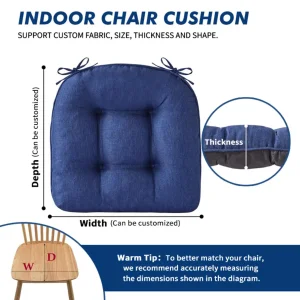
We work closely with local Detroit brand owners, healthcare networks, and automotive equipment suppliers to create customized seating solutions. Our design capacities include:
As smart devices and sensory integration expand within workplace ergonomics, Shandong Ospiel Medical is pioneering several R&D paths. The next generation of coccyx cushions will not just passively absorb load; they will actively adapt to occupant shifts in real time.
Integration of thin-film sensor matrices within the memory foam core. These sensors monitor pelvic tilt and contact pressure patterns, feeding data back to a localized health management app to alert users of poor posture or recommend standing breaks.
Moving toward high-density bio-polyols synthesized from soy and castor bean oils. This significantly reduces volatile organic compounds (VOCs) and conforms to international circular economy and environmental sustainability frameworks.
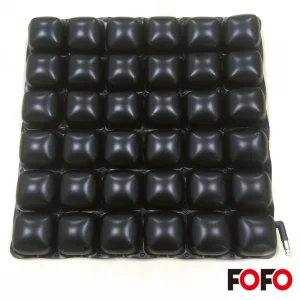
Self-adjusting pneumatic chambers within the orthopedic layers. By utilizing micro-pumps that respond to the user's posture, the cushion automatically changes localized firmness levels to distribute weight continuously and prevent fatigue.
Elevate your ergonomic inventory, office fitouts, or healthcare distribution networks. Access direct factory pricing, medical certification, and tailored solutions.