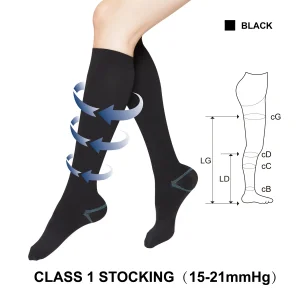
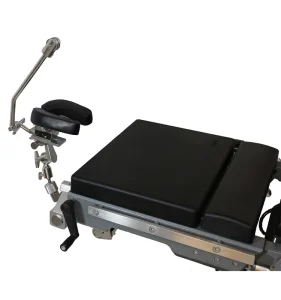
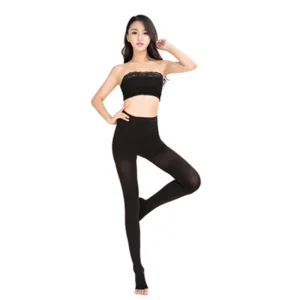
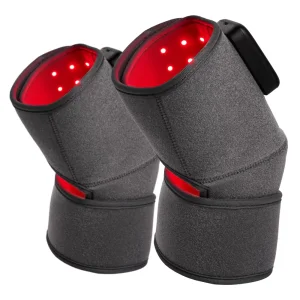
Highly engineered anatomical and mechanical aids optimized for pressure redistribution, localized thermotherapy, and active biomechanical rehabilitation.
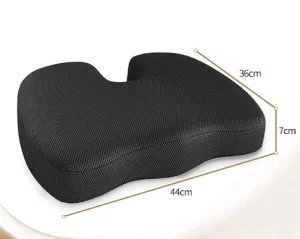
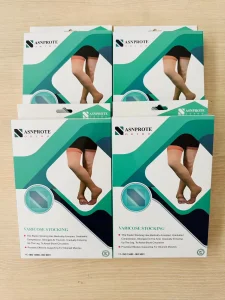
The global rehabilitation and physiotherapy market is undergoing a structural transition. The traditional reliance on passive clinical treatments is evolving into a hybrid model where ergonomic pressure redistribution, photobiomodulation, and mechanized home-care units sustain the therapeutic gains made in clinics. As chronic musculoskeletal diseases rise, global healthcare organizations and medical supply chains are actively seeking suppliers capable of delivering high-durability, clinically compliant tools at scale.
Shandong Ospiel Medical Co., Ltd. addresses this paradigm shift by manufacturing highly technical solutions that bridge the gap between hospital care and home-based patient compliance. By providing targeted structural support, our products actively alleviate tailbone load, facilitate microvascular circulation, and stabilize weak musculoskeletal frameworks. For medical buyers, this translates to reduced patient readmission rates and highly optimized rehabilitation cycles.
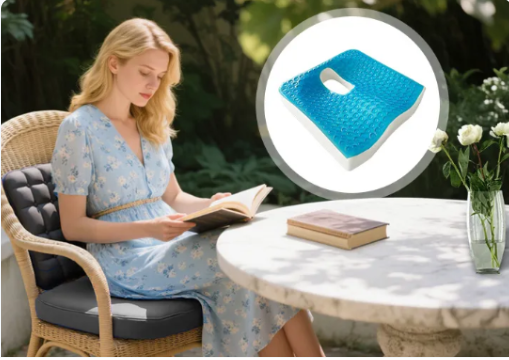
A multi-regional analysis of regulatory standards, commercial volume dynamics, and the demands of B2B procurement managers.
The commercial value chain of therapy and rehabilitation supplies is dictated by rigid localized standards and evolving importer dynamics. In highly regulated territories like North America and the European Union, therapeutic tools are no longer categorized as mere consumer goods. These devices are subject to classification as Class I or Class II medical apparatuses, requiring comprehensive audit trails, biocompatible materials, and verifiable mechanical stress endurance profiles.
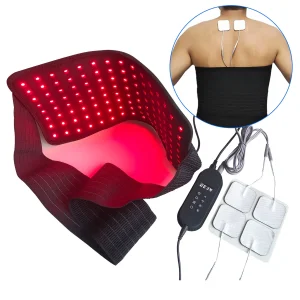
Consequently, global distributors, institutional buyers, and pharmaceutical chains face significant exposure if their supply chain partners fail to uphold compliance standards. The industry demand has shifted toward integrated exporters who command full control over raw material procurement—such as high-density open-cell viscoelastic foams, non-toxic polymeric gels, and certified LED semiconductor arrays emitting specific therapeutically active wavelengths (660nm and 850nm).
Engineered to precise wavelengths and mechanical load profiles to meet physiological recovery demands.
Automated manufacturing facility optimizing output volume and minimizing unit variance across bulk runs.
Rigorous pre-shipment inspections ensuring alignment with FDA, CE, and ISO standardizations.
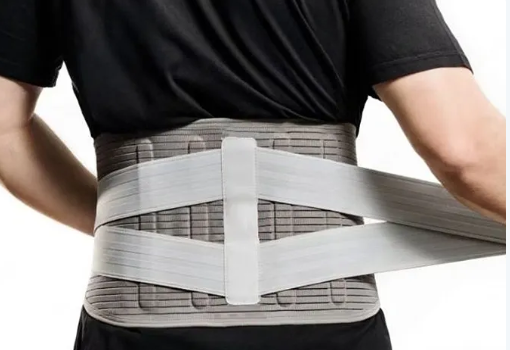
Shandong Ospiel Medical Co., Ltd. (est. 2016, Shandong, China) stands at the forefront of this industrial demand. Operating within a high-tech medical industrial corridor, the enterprise channels over ten years of engineering development into the manufacturing of anatomical supports and dynamic physical therapy systems.
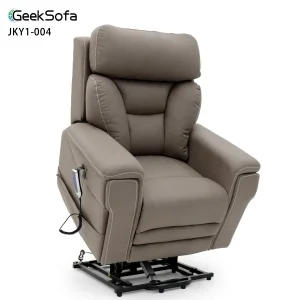
The manufacturing footprint is built around vertical integration. The company manages the formulation of polyurethane memory foam, the precise calibration of light-emitting diodes, and the mechanical frame engineering of complex multi-motor riser recliners. By maintaining internal control over material densities and structural assemblies, the company guarantees consistent physical properties—specifically resisting thermal degradation and cyclic compression fatigue.
Clinical parameters mapping the physiological benefits and mechanical metrics of core product segments.
Rigorous quality control frameworks designed to streamline localized customs and medical clearances.
Navigating global healthcare product importation requires strict adherence to localized compliance structures. Shandong Ospiel Medical Co., Ltd. builds international trust through systemic compliance architectures:
Our complete manufacturing flow is registered under major international regulatory protocols, ensuring smooth customs processing at North American and European borders.
Our quality management system is fully calibrated to the medical device manufacturing code, assuring consistent material sourcing, traceabilities, and product safety.
We provide localized instructions, warning labels, compliance packaging, and user manuals translated into over 10 languages to meet regional market specifications.
How specialized clinical and home rehabilitation tools address specific occupational and age-related chronic pain conditions.
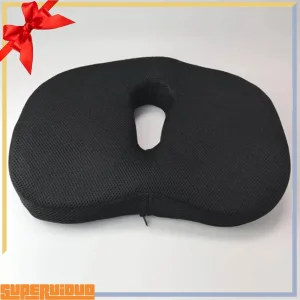
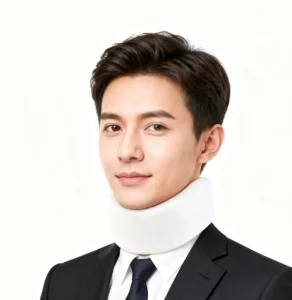
Sedentary lifestyles cause continuous compression of the lumbar region. High-density viscoelastic coccyx cushions and posture-correcting cervical braces stabilize the spine, preventing occupational muscle fatigue.
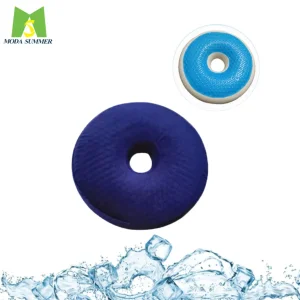
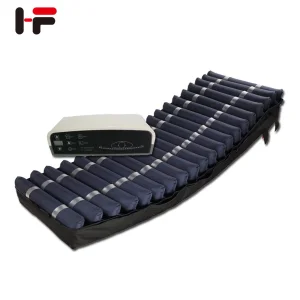
Long-term immobility triggers severe tissue ischemia, culminating in decubitus ulcers. Our medical-grade anti-decubitus mattress sets and alternating pressure pads redistribute local pressure, enhancing capillary flow.
Dynamic multi-spectral phototherapy knee braces and compression wraps speed up capillary recruitment, accelerating ATP synthesis in soft tissues to reduce recovery time for athletes.
The next evolution of smart orthopedic orthotics and physiological diagnostic systems.
At Shandong Ospiel Medical, we look ahead to design the next generation of recovery equipment. Our upcoming technology roadmap focuses on merging physical materials with digital health monitors. By integrating micro-sensor grids directly into our high-density memory cushions, we plan to monitor postural alignment in real time and alert users via connected apps to adjust their posture.
Simultaneously, we are developing IoT-enabled smart phototherapy wraps. These advanced devices will gather biofeedback on local skin temperature and blood perfusion, dynamically adjusting LED intensity and treatment duration to fit the user's specific physiological state. This digital transition ensures that patients receive tailored, clinically optimal treatment cycles even outside of medical clinics.
Key technical answers for procurement managers, medical wholesale distributors, and retail importers.
We utilize high-density, MDI-based polyurethane formulation for our memory foam cushions. Unlike lower quality TDI alternatives, this process prevents long-term sag and maintains support performance across ambient temperatures.
The 660nm wavelength targets superficial tissue layers, accelerating collagen synthesis and skin healing. The 850nm near-infrared wavelength penetrates deeper muscle tissue and joints, promoting localized microcirculation and tissue repair.
Yes. We offer customizable density profiles, custom dimensions, private labeling, and local electrical standard compliance (such as UL/CE certified plugs) to match your target market requirements.
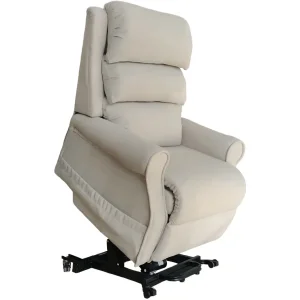
We pack large-scale items, such as electric riser recliners and mattresses, using specialized compression technology and heavy-duty, sea-worthy packaging. This minimizes volume footprint during shipping, lowering freight costs for importers.
Every production batch can be supplied with complete material testing documentation, RoHS environmental compliance records, CE declarations, and FDA facility listings upon request.
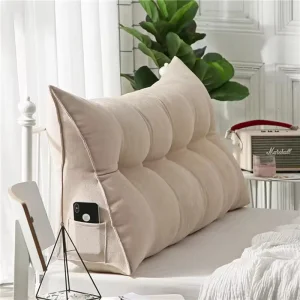
Premium clinical supports, traction systems, and specialized positioning wedges engineered to improve spinal and lower-limb vascular health.
 Ospiel Medical