Why Does My Wheelchair Cushion Keep Bottoming Out?

Time:2026-09-04 Author:Henry
0%

Understanding the challenges of wheelchair comfort is crucial for users. A common concern many face is, "why is my wheelchair cushion bottoming out?" Dr. Emily Larson, a noted occupational therapist with over 15 years of experience, emphasizes, “Cushion effectiveness directly impacts user well-being.” This highlights how critical it is to pinpoint the reasons behind cushion failures.

Cushions are designed to provide adequate support and pressure relief. However, over time, materials can lose their effectiveness, especially with daily use. Factors such as body weight, cushion type, and wheelchair fit play pivotal roles. Users often overlook these elements, leading to discomfort and frustration.

Regular checks and maintenance can promote longevity. Examine the cushion for signs of wear or damage. Users should be aware that not all cushions suit every need, leading to the question, "why is my wheelchair cushion bottoming out?" Adjusting to a cushion properly takes time and awareness, yet it is essential for optimal comfort and health.
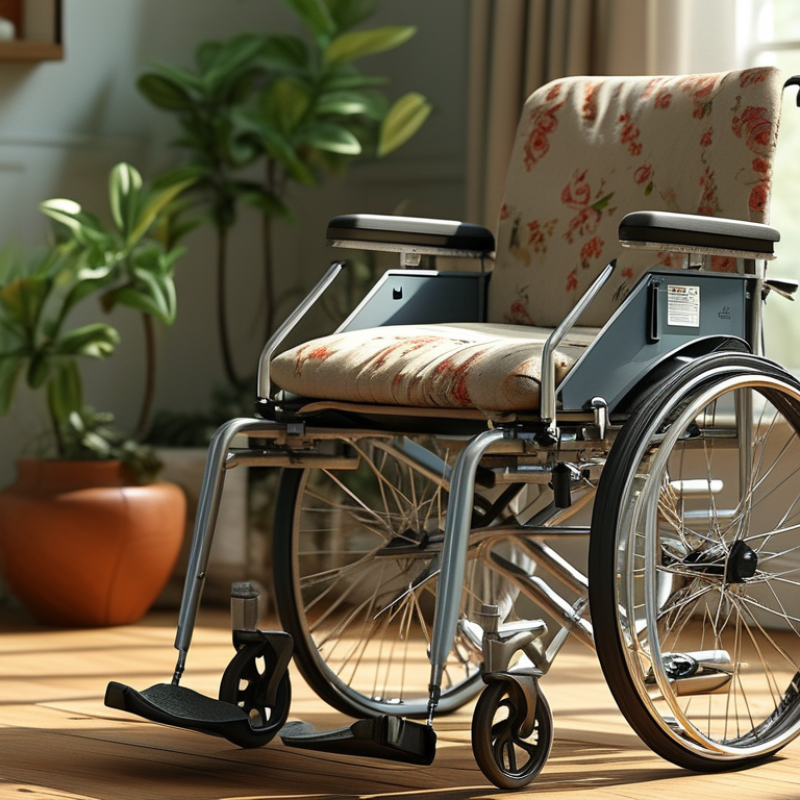
Why Does My Wheelchair Cushion Keep Bottoming Out?

Understanding Wheelchair Cushions and Their Functionality

Wheelchair cushions play a crucial role in preventing pressure sores and enhancing comfort for users. They provide necessary support by distributing weight evenly, which can help avoid “bottoming out.” Reports indicate that over 50% of wheelchair users experience pressure injuries due to improper cushion selection. This emphasizes the importance of understanding the various materials and technologies used in cushion design.

Different types of materials, such as foam, gel, or air, affect how well a cushion performs. A study found that high-quality foam can reduce pressure by up to 30% compared to standard cushions. However, not all cushions are made equal. Many users overlook the importance of regular assessments and adjustments. Consistent monitoring can prevent comfort issues and enhance overall well-being.

Users may find that cushions often bottom out under certain conditions. Factors like body weight, wear and tear, and user activity all contribute. Data suggests that improperly fitted or worn-out cushions can significantly increase the risk of pressure sores. Regular replacements are recommended every 6 to 12 months to maintain efficacy. Understanding these nuances can help users make informed decisions and create a more comfortable experience.

Why Does My Wheelchair Cushion Keep Bottoming Out? - Understanding Wheelchair Cushions and Their Functionality

Cushion Type Material Weight Capacity Thickness Common Issue
Foam Cushion Polyurethane Foam 250 lbs 2 inches Bottoming out due to compression
Gel Cushion Water-Based Gel 300 lbs 3 inches Temperature sensitivity and pressure redistribution
Air Cushion Air Chambers 350 lbs 4 inches Leakage leading to decreased support
Hybrid Cushion Foam & Gel 300 lbs 2.5 inches Insufficient weight distribution

Common Causes of Wheelchair Cushions Bottoming Out

When wheelchair cushions bottom out, it can lead to discomfort and pain. One common cause is inadequate cushion thickness. If the cushion is too thin, it may not provide enough support. Over time, materials may compress, losing their ability to absorb weight. This problem is often overlooked until users feel increased pressure on their skin.

Another factor is improper cushion fit. Cushions should match an individual's body shape and weight distribution. If not, areas of high pressure will develop. Regular inspection of the cushion is essential. Signs of wear and tear may indicate that it’s time for a replacement. Additionally, frequent cleaning can help maintain the integrity of the materials used in the cushion.

Regular adjustments can also play a crucial role. Some users may forget to adjust their seating position throughout the day. This can lead to pressure points and discomfort. Awareness of your body’s needs can help prevent bottoming out. It's vital to remember that not all cushions work for everyone. Personal preferences and body types vary significantly, influencing cushion effectiveness.

Common Causes of Wheelchair Cushions Bottoming Out

Signs That Indicate Cushion Failure or Insufficient Support

When a wheelchair cushion fails, users may experience significant discomfort. Signs indicating cushion failure can vary, but many users report feeling immediate pressure on bony areas. According to a study from the National Institutes of Health, 62% of wheelchair users experience increased pressure sores due to inadequate cushion support. This statistic highlights the need for regular cushion assessments.

Another common sign of insufficient support is persistent pain or soreness. If users find themselves shifting positions frequently, it may signal that the cushion has lost its integrity. Research suggests that a properly fitted cushion should distribute weight evenly across the surface. Users noticing distinct pressure points should consider reevaluating their cushion choice.

Additionally, visible wear and tear can be a red flag. Cracks, flattening, or loss of shape can lead to inadequate support. A report from the Spinal Cord Injury Association emphasizes monitoring the condition of your cushion every six months. Ignoring these signs risks not only comfort but also poses a threat to overall skin health. Keeping a watchful eye on your cushion’s condition is essential for maintaining well-being.

Tips for Maintaining and Choosing the Right Wheelchair Cushion

Choosing the right wheelchair cushion is essential for comfort and support. A well-fitted cushion can help prevent pressure sores and enhance mobility. When selecting a cushion, consider your individual needs. Some prefer gel or air cushions for their pressure distribution properties. Others might find foam cushions more supportive. Don’t forget to test different types to see what works best for you.

Maintaining your cushion is just as important as choosing it. Regularly check for wear and tear. Look for signs of flattening or compression. These can lead to bottoming out, causing discomfort. Make sure to clean your cushion as instructed, as dirt can affect its performance. Over time, even the best cushion may require replacement. Keep an eye on its condition, and don’t hesitate to seek advice on when to replace it.

Lastly, don’t overlook the fit of your cushion in your wheelchair. An ill-fitting cushion can compromise support and lead to uneven weight distribution. Consult with a healthcare professional for guidance. They can provide insights tailored to your body and lifestyle. Often, adjusting your cushion setup can make a significant difference in daily comfort.

When to Seek Professional Help for Cushion Issues

When to Seek Professional Help for Cushion Issues

If your wheelchair cushion keeps bottoming out, it may be time to consult a professional. Persistent discomfort could indicate that the cushion is no longer adequate for your needs. A qualified occupational therapist or a seating specialist can help assess the situation. They can examine your posture and provide tailored recommendations for cushion types. Knowing when to seek help can prevent further complications like pressure sores or muscle pain.

Sometimes, people hesitate to seek professional help because they believe they can solve the problem themselves. This often leads to frustration and can worsen the situation. Regular assessments are crucial. An expert can evaluate the wear and tear on your cushion. They can identify any changes in your body that may affect cushion performance. Ignoring these signs only prolongs discomfort and may lead to serious health risks. Make it a habit to review your cushion's condition every few months to avoid unnecessary pain.

FAQS

: What is the main purpose of wheelchair cushions?

: Wheelchair cushions help prevent pressure sores and enhance comfort by evenly distributing weight.

What materials are commonly used in wheelchair cushions?

Common materials include foam, gel, and air, each affecting cushion performance differently.

How often should wheelchair cushions be replaced?

It’s recommended to replace cushions every 6 to 12 months to maintain their effectiveness.

What causes cushions to bottom out?

Cushions can bottom out due to inadequate thickness, improper fit, or wear over time.

How can users identify cushion failure?

Signs of failure include increased pressure on bony areas, persistent pain, and visible wear.

Why is regular inspection of cushions important?

Regular inspection can reveal signs of wear, ensuring continued support and comfort for users.

How does body weight affect cushion performance?

Heavier individuals may experience more significant pressure if the cushion isn’t adequately supportive.

What role do adjustments play in cushion effectiveness?

Regular adjustments to seating positions can help alleviate pressure and improve overall comfort.

Can personal preferences influence cushion choice?

Yes, individual preferences and body types greatly affect which cushion works best for each user.

What should users do if they notice discomfort?

Persistent discomfort may indicate the need to reassess their cushion choice or fit.

Conclusion

Understanding why is my wheelchair cushion bottoming out is crucial for maintaining comfort and preventing pressure sores. Wheelchair cushions are designed to provide support and distribute weight evenly, but over time, they can degrade due to various factors such as wear and tear, inadequate maintenance, or choosing the wrong type of cushion.

Common signs of a failing cushion include increased discomfort, noticeable sagging, or pressure marks on the skin. To avoid these issues, it's essential to regularly inspect your cushion for signs of wear, clean it according to manufacturer instructions, and choose one that suits your specific needs. If problems persist, seeking professional advice to evaluate the cushion or explore alternative options may be necessary to ensure optimal support and comfort.

Henry

Henry

Henry is a dedicated marketing professional with a profound expertise in the company's offerings. With years of experience in the industry, he possesses an impressive understanding of the market dynamics and consumer behaviors that drive success. Henry is committed to sharing his insights through......