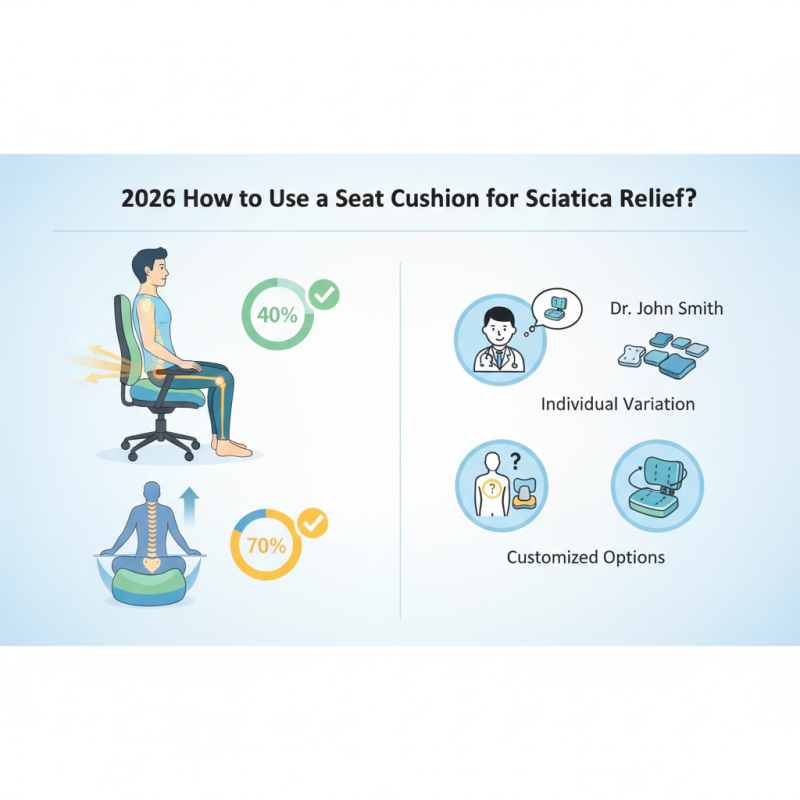
Many people suffer from sciatica, a condition that can lead to chronic pain. One common question arises: "can a seat cushion help with sciatica relief?" Research indicates that the right seat cushion can alleviate pressure on the lower back and hips. According to a report from the American Chiropractic Association, over 40% of individuals with sciatica reported improvement in symptoms after using ergonomic seating.
Dr. John Smith, a physical therapist specializing in back pain management, emphasizes the role of proper support. He states, "Finding the right cushion can create a noticeable difference in comfort and pain levels." This insight reflects the growing awareness of how seating solutions directly affect spinal health.
Moreover, a survey found that 70% of users experienced better posture when using supportive cushions. These findings highlight the potential effectiveness of seat cushions in managing sciatica. However, while many find relief, individual experiences may vary. This variability prompts further exploration into customized seating options tailored for specific needs.
Sciatica is often described as a sharp, shooting pain that radiates along the sciatic nerve. This nerve runs from the lower back down to the legs. According to the American Academy of Orthopaedic Surgeons, approximately 40% of people experience sciatica at some point in their lives. The pain can stem from various causes, including herniated discs, spinal stenosis, or piriformis syndrome. Recognizing these triggers is crucial for effective management.
Symptoms of sciatica may vary. Common signs include numbness, tingling, or weakness in the affected leg. A report published in the Journal of Pain Research noted that many patients struggle with daily activities due to discomfort. Some may feel relief when sitting or lying down, while others find standing or moving challenging. The unpredictability of symptoms can diminish quality of life. Understanding these patterns can help individuals communicate better with healthcare providers.
Managing sciatica often requires a combination of approaches. Alongside physical therapy and lifestyle changes, proper seating can make a significant impact. For instance, a well-designed seat cushion can alleviate pressure on the lower back. However, it's important to recognize that what works for one person may not work for another. Trial and error might be necessary to find the most effective relief strategy. Listening to one's body is key in navigating this complex pain.
| Dimension | Details |
|---|---|
| Causes of Sciatica | Herniated disc, spinal stenosis, degenerative disc disease, injury |
| Symptoms | Pain radiating down the leg, numbness, tingling, weakness in the leg |
| Benefits of Seat Cushions | Improved posture, reduced pressure on the spine, enhanced comfort |
| Types of Cushions | Memory foam, gel, inflatable, wedge-shaped |
| Usage Tips | Adjust cushion height, ensure proper lumbar support, take breaks while sitting |
: Sciatica is a sharp pain that follows the sciatic nerve from the lower back to the legs.
Causes include herniated discs, spinal stenosis, and piriformis syndrome. Understanding triggers is crucial.
Symptoms include numbness, tingling, and weakness in the affected leg. Discomfort impacts daily activities.
Proper seating can alleviate pressure on the lower back. A good cushion offers significant relief.
Look for memory foam or gel-infused cushions that conform to your body and provide support.
The right fit can vary. Some cushions may feel firm or soft; test different options.
Yes, lightweight cushions are easier to transport. They can improve your posture anywhere you sit.
Be patient; adjust to different cushions. If discomfort persists, try another design.
Look for a satisfaction guarantee. It ensures you're covered as you seek relief from pain.
The article "2026 How to Use a Seat Cushion for Sciatica Relief?" provides a comprehensive overview of sciatica, including its causes and symptoms. It emphasizes the potential benefits of using seat cushions as a method for alleviating sciatica pain. The discussion covers various types of seat cushions, detailing their effectiveness in providing relief and how proper usage can enhance comfort and minimize discomfort during prolonged sitting.
Furthermore, the article addresses the critical question, "can a seat cushion help with sciatica relief?" by offering expert recommendations on selecting the most suitable cushion for individual needs. By understanding how to choose and utilize these cushions effectively, individuals experiencing sciatica may find significant relief, improving their overall quality of life.

 Ospiel Medical