Tennis elbow, also known as lateral epicondylitis, affects approximately 1-3% of the population. This common condition leads to pain and discomfort in the forearm and elbow. Effective treatment options exist, one of which includes the use of Tennis Elbow Straps. These specialized straps provide critical support during healing.
Research indicates that wearing Tennis Elbow Straps can reduce pain by up to 50%. They work by alleviating pressure on the tendons and muscles, enhancing recovery time. In a clinical study, patients reported significant improvement in mobility after using these straps regularly. The right strap can make a difference.
Selecting the right Tennis Elbow Straps can be challenging. It's essential to consider factors such as material, fit, and design. For effective relief, the straps should position comfortably on the forearm. Consulting a healthcare professional can provide personalized recommendations. This ensures that you choose the best option for your needs. The journey to recovery may necessitate some trial and error.
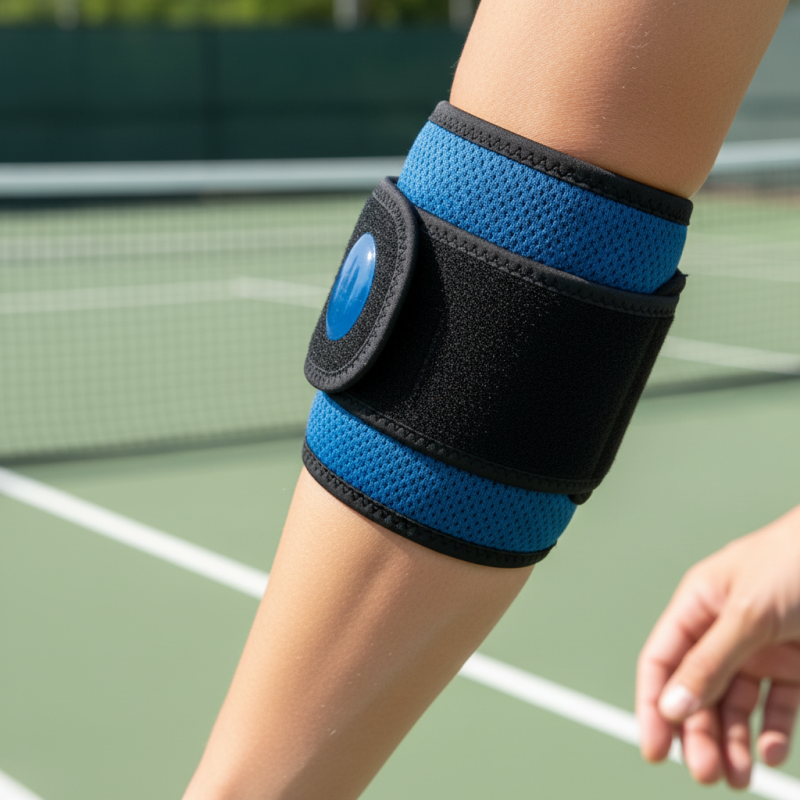
Tennis elbow, or lateral epicondylitis, is a common condition affecting many athletes and even non-athletes. It occurs due to repetitive strain on the forearm muscles and tendons. A study published in the Journal of Shoulder and Elbow Surgery found that about 1 to 3% of the general population suffers from this affliction at some point. Symptoms include pain on the outer elbow, stiffness, and weakness when gripping.
Understanding the causes is crucial for prevention. Repetitive motions, such as swinging a racket or typing, can lead to microtears in the tendons. A report from the American Academy of Orthopaedic Surgeons states that overuse is the leading cause of tennis elbow. Interestingly, this condition affects not only tennis players but also people engaged in activities with repetitive arm use. Many fail to recognize the importance of rest and may continue to push through pain, which can worsen the injury.
Identifying symptoms early can lead to effective management. Pain may radiate from the elbow to the forearm. Some individuals find it challenging to perform daily tasks like lifting a cup or opening a door. Despite the availability of treatments, including physical therapy and elbow straps, some still struggle with recovery, often bypassing recommended rest periods. Awareness and education about tennis elbow can significantly improve outcomes.
Tennis elbow, or lateral epicondylitis, is a common injury that causes pain in the elbow and forearm. Tennis elbow straps provide support and alleviate discomfort. They apply pressure to the forearm muscles, reducing strain. This mechanism helps to relieve pain while allowing you to continue activities.
When using a tennis elbow strap, it’s crucial to position it correctly. Place it a few inches below the elbow joint. This placement helps to stabilize the muscle and distribute pressure more evenly. Make sure the strap is snug but not too tight. You should be able to feel the support without losing circulation.
Tips for using these straps:
Remember, while these straps are effective for many, they may not work for everyone. A personalized approach is key to finding what relieves your pain. Keep track of your symptoms to share with your doctor for better guidance.
When looking for a tennis elbow strap, comfort is crucial. The strap should feel snug but not restrict blood flow. Adjustable features are important. They allow you to customize the fit based on your arm size. Lightweight materials can enhance your comfort during extended use. Consider the padding; it should be adequate to prevent discomfort.
Another vital feature is the level of support provided. A good strap should apply pressure on the upper forearm. This alleviates strain on the elbow. Look for straps with effective silicone or gel pads. They can provide targeted relief by dispersing pressure evenly. Breathable fabric is also essential. It keeps your arm dry during physical activities.
Durability matters. Your strap should withstand daily wear. Opt for materials that can endure sweat and constant movement. Also, consider ease of cleaning. Some straps are machine washable, which is convenient. Evaluate user reviews on comfort and effectiveness. These insights can guide you towards a suitable choice. Each person's needs vary, so personal trial may be necessary to find the right fit.
Tennis elbow can be a frustrating condition. Many people experience pain on the outer part of their elbow. This usually arises from overuse or repetitive motion. A good strap can help alleviate this discomfort and promote recovery.
When choosing a tennis elbow strap, comfort is crucial. Look for adjustable options that fit securely without being too tight. Breathable materials can add to your overall experience. Many straps provide compression, which can reduce swelling and enhance support. User reviews often highlight how different designs distribute pressure, so consider that aspect carefully.
Another important factor is durability. Straps vary in longevity and wear. It's essential to select a product that can withstand regular use. Some users report that their straps lose effectiveness over time. Experimenting with different types may lead you to the right choice for your needs. This journey can involve trial and error, but it's key to finding relief.
This chart displays the pain relief effectiveness ratings of the top 10 tennis elbow straps, offering prospective buyers an overview of which options may be the most effective for relief and recovery. Scores are based on user feedback and product reviews.
Tennis elbow can be a frustrating condition. Proper use of tennis elbow straps is crucial for recovery. These straps help reduce strain on the elbow by providing targeted support. Wear them during activities that might aggravate your pain. This includes sports, lifting, and even typing. A snug fit is essential. It should feel supportive, not constricting.
Adjust the strap for comfort. Over-tightening can lead to more discomfort. Listen to your body. If you feel increased pain, loosen the strap. In some cases, a break from wearing the strap can be helpful. This allows the elbow to rest and prevent stiffness.
Consider integrating stretching and strengthening exercises into your routine. Simple movements can enhance flexibility. Check in with a healthcare professional for personalized advice. Recovery isn’t always a straight path. Monitoring progress is key. Reflect on what works for you and what doesn’t. Adjust your approach as needed.
| Rank | Strap Type | Material | Adjustment | Pain Relief Level |
|---|---|---|---|---|
| 1 | Standard Compression | Neoprene | Hook and Loop | Moderate |
| 2 | Adjustable Support | Cotton Blend | Buckle | High |
| 3 | Elastic Strap | Elastane | Elastic Closure | Low |
| 4 | Forearm Brace | Breathable Fabric | Strap System | Moderate |
| 5 | Shock Absorbing | Gel Insert | Velcro | High |
| 6 | Compression Sleeves | Nylon | Pull-on | Moderate |
| 7 | Lightweight Strap | Stretch Fabric | Adjustable | Low |
| 8 | Neoprene Support | Neoprene | Wrap Around | High |
| 9 | Thermal Strap | Thermal Material | Adjustable Straps | High |
| 10 | Universal Strap | Canvas | Elastic | Moderate |
: Tennis elbow, or lateral epicondylitis, causes pain in the elbow and forearm. It’s common among many people.
They provide support by applying pressure to the forearm muscles, reducing strain and alleviating pain.
Place the strap a few inches below the elbow joint for optimal support and pressure distribution.
It should feel snug without restricting blood flow. Adjust as necessary for comfort.
Use the strap along with rest, ice therapy, and gentle stretching exercises for better results.
While effective for many, they may not work for everyone. A personal approach is important.
Comfort, adjustable fit, lightweight material, adequate padding, and durability are essential features to consider.
Keep track of symptoms and recovery responses. Share this information with a healthcare professional for guidance.
Loosen the strap or take a break from wearing it to prevent further discomfort.
Start with short periods. Gradually increase wear time while paying attention to how your body feels.
Tennis elbow is a common condition resulting from overuse of the arm, leading to pain and discomfort around the elbow joint. Understanding the causes and symptoms is crucial for effective treatment. One of the most effective solutions for managing tennis elbow pain is the use of Tennis Elbow Straps. These straps work by applying pressure to the forearm muscles, reducing strain on the elbow and providing pain relief.
When selecting Tennis Elbow Straps, it is important to consider features such as material, adjustability, and padding for comfort. In this article, we review the top 10 tennis elbow straps currently available, helping you to make an informed choice. Additionally, we offer tips on how to use these straps effectively during recovery to ensure the best outcomes and promote healing.
Ospiel Medical