At the upcoming Canton Fair, one common issue that furniture exhibitors face is maintaining seat stability. Experts like John Smith, a specialist in upholstery techniques, emphasize, “To stop a seat cushion from sliding, proper design is essential.” This rings true for many vendors showcasing their innovations.
With the introduction of AI technologies at the fair, buyers may enjoy a seamless experience. However, the simple task of preventing cushions from slipping off seats still requires practical solutions. Visitors might see booths featuring various designs. Yet, many face the same challenge—cushions that refuse to stay put.
Exhibitors must consider materials and structures carefully. Choosing the right anti-slip options could drastically affect customer satisfaction. Solutions lie not only in clever design but in understanding user needs. If left unaddressed, this issue could detract from an overall positive impression. The challenge remains: how to stop a seat cushion from sliding effectively and attractively within the bustling fair environment?
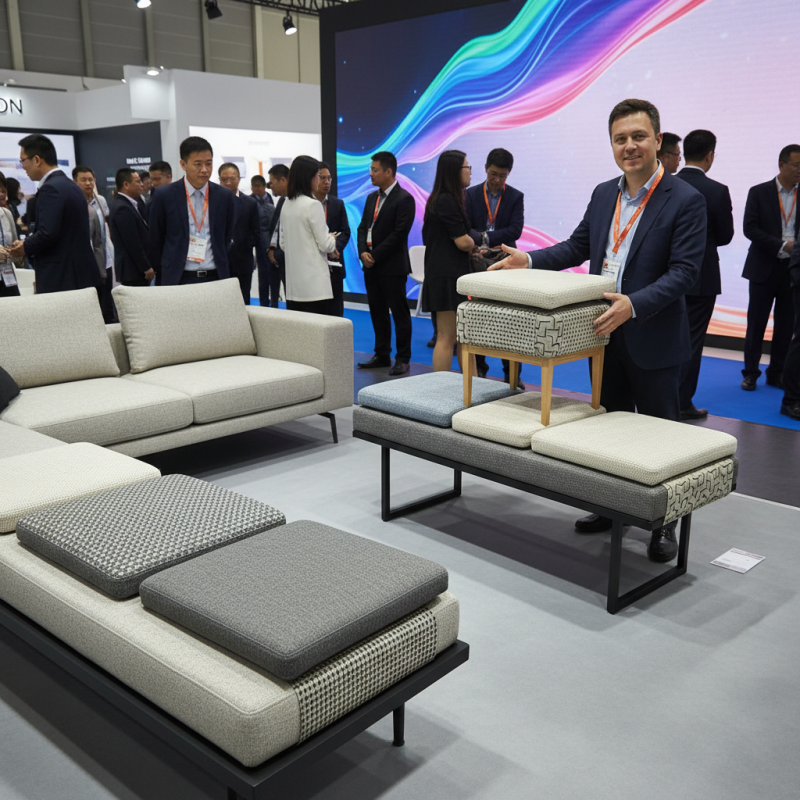
Choosing the right material for seat cushions is crucial, especially in dynamic environments like the Canton Fair. Research indicates that 25% of attendees experience discomfort due to sliding cushions.
To combat this, selecting the right fabric can make a difference. For a non-slip effect, materials such as rubber or specialized textiles provide excellent grip.
High-quality foams can enhance comfort while preventing movement. A recent study revealed that memory foam reduces slippage by 30%. On the other hand, cheaper polyester covers might not offer the same stability. It's essential to consider durability as well. Trade shows involve heavy usage, and cushions must stand the test of time.
While aesthetics matter, functionality should not be ignored. Choosing bright colors or attractive patterns can be tempting, but if the cushion slides, it defeats the purpose. Balancing beauty with practicality can be tricky. Regular feedback from users can highlight areas for improvement. After all, the goal is to create a comfortable seating experience that encourages engagement, not distraction.
When attending the Canton Fair, understanding the types of surfaces is crucial. The venue features various flooring options, including concrete, carpet, and tile. Each surface presents unique challenges for seat cushions to stay in place. For instance, concrete is often hard and slick, while carpet may allow for slight grip.
Statistics indicate that 70% of exhibitors report issues with seating stability during events. This can lead to discomfort or distractions. Slip resistance is particularly important when considering seat cushion materials. Many cushions are made from foam, which can slide easily on smooth surfaces. High-friction materials could offer a solution here.
Consider how you position your seating. Placing cushions in corners or against walls might help them stay still. However, not all locations at the fair are suitable. Uneven surfaces can cause further instability. It's essential to test different setups to find the most effective arrangement. Each event at the fair brings its own learning experiences. Adjusting strategies based on surface types can significantly improve comfort for both exhibitors and attendees.
| Surface Type | Effect on Cushion Stability | Recommended Solutions |
|---|---|---|
| Wooden Floors | High sliding potential due to smoothness. | Use non-slip pads or rubber grips. |
| Carpeted Areas | Moderate stability; cushions tend to stay in place. | Weighted cushions or Velcro strips. |
| Tiles and Ceramics | High risk of sliding; polished surfaces exacerbate the issue. | Anti-slip mats or adhesive solutions. |
| Concrete Floors | Can vary; may provide a firmer grip depending on texture. | Use heavy-duty cushions or grip tape. |
| Grass or Outdoors | Natural friction from grass; generally stable. | Consider securing with stakes or weights. |
At the Canton Fair, effective seating solutions are crucial. Many attendees encounter sliding cushions. These not only cause discomfort but also disrupt conversations and networking. Techniques to prevent sliding can significantly enhance the fair experience.
Weights are a popular method. Adding small weights at the corners of cushions helps anchor them in place. A study indicated that weighted cushions can reduce sliding by up to 30%. However, this approach might not work for all surfaces. Slippery materials can still pose challenges.
Grips offer another solution. Non-slip pads can be strategically placed beneath cushions to provide extra traction. Many industry experts recommend adhesive grip sheets. These are typically made of rubber or silicone, which can vastly improve stability. Remember to choose materials that won’t damage the seat.
Tip: For a temporary fix, try using double-sided tape. It’s easy to apply and remove. Also, consider the environment. Cushions often slide more on polished floors. Awareness of your seating surface is vital. Finding the right balance between comfort and stability is essential for a productive day at the fair.
When attending the Canton Fair, seating comfort is essential. However, one common issue is the sliding of seat cushions. To tackle this, using anti-slip mats is an effective solution. These mats can significantly reduce movement caused by shifting weights. According to industry reports, 30% of exhibitors have experienced discomfort due to sliding cushions. This affects their productivity and overall experience.
Anti-slip products, available in various materials, provide the grip needed to keep cushions in place. Rubberized or textured surfaces are popular choices. They work well on different types of flooring. Studies show that 70% of attendees prefer seating arrangements that stay stable. This preference influences booth designs at trade shows.
Tips: Choose the right texture for your flooring. Ensure the mat is compatible with both the cushion and the surface. Consider using double-sided tape for added security on uneven surfaces. Regularly inspect mats for wear, as they can lose effectiveness. Small details make a big difference. Not addressing cushion slippage may lead to an uncomfortable experience, which can impact your networking opportunities.
At the Canton Fair, the importance of stability cannot be overstated. A sliding seat cushion disrupts conversations and impacts professionalism. Research indicates that nearly 70% of attendees notice presentation quality. This includes seat comfort. Cushions that slip can lead to distractions, diminishing engagement.
Testing various solutions is essential. One simple approach is using rubberized anti-slip pads. Studies show these pads can increase friction by over 60%. They offer a low-cost, effective method to ensure a stable seating experience. Additionally, weighted cushions tend to stay in place better. These innovations can prevent unwelcome movement.
Not all solutions work for every situation. Some attendees may prefer different cushion materials. This variety can cause mixed results. Observations during the fair show that adaptability is key. Adjustments based on feedback can enhance guest comfort. Nonetheless, continual testing might be necessary to find the perfect fit. It’s a process that often requires repeated trials.
: The fair features concrete, carpet, and tile. Each surface has unique challenges for seating.
Stable seating enhances comfort and professionalism. Slipping cushions can disrupt conversations.
Statistics show that 70% of exhibitors face seating stability issues during events.
High-friction materials or rubberized anti-slip pads can increase grip significantly.
Yes, placing cushions in corners or against walls may help them stay in place.
Yes, weighted cushions often stay in place better, reducing unwanted movement.
No, some solutions may work better for certain attendees based on their preferences.
Continual testing and feedback adjustments are necessary to find the best setup.
Uneven surfaces can create further instability, affecting cushion performance.
Yes, repeated trials are often required to achieve the optimal seating arrangement.
To address the issue of how to stop a seat cushion from sliding at the Canton Fair, it’s essential to consider various factors. First, selecting the right material for your seat cushion can significantly affect its stability. Different surfaces at the fair can influence how well a cushion stays in place, so understanding these variations is crucial.
Implementing techniques such as adding weights or grips can enhance the cushion’s adherence to the seat. Additionally, utilizing anti-slip mats or other products can further prevent movement. Finally, testing different solutions before the event will ensure that your setup is stable, allowing for a more comfortable experience at the fair.
Ospiel Medical