Poor posture at work can lead to significant health issues. Studies indicate that 60% of office workers experience discomfort due to their seating habits. The question arises, what are the signs of poor posture at work? Common indicators include rounded shoulders and a hunched back. These postures can result from long hours at a desk without proper adjustments.
Many employees underestimate the impact of posture on productivity. Reports suggest that poor ergonomics can decrease work efficiency by 25%. Furthermore, the National Safety Council highlights that back pain is one of the leading causes of missed workdays. Individuals may ignore early signs of strain, thinking they'll go away.
With the upcoming 139th Canton Fair, attention to posture becomes even more important. Attendees often engage in long hours of standing and walking. Investing in ergonomic tools and maintaining awareness of body alignment can enhance the experience at such events. Reflecting on our habits will ultimately lead to healthier outcomes in the workplace.
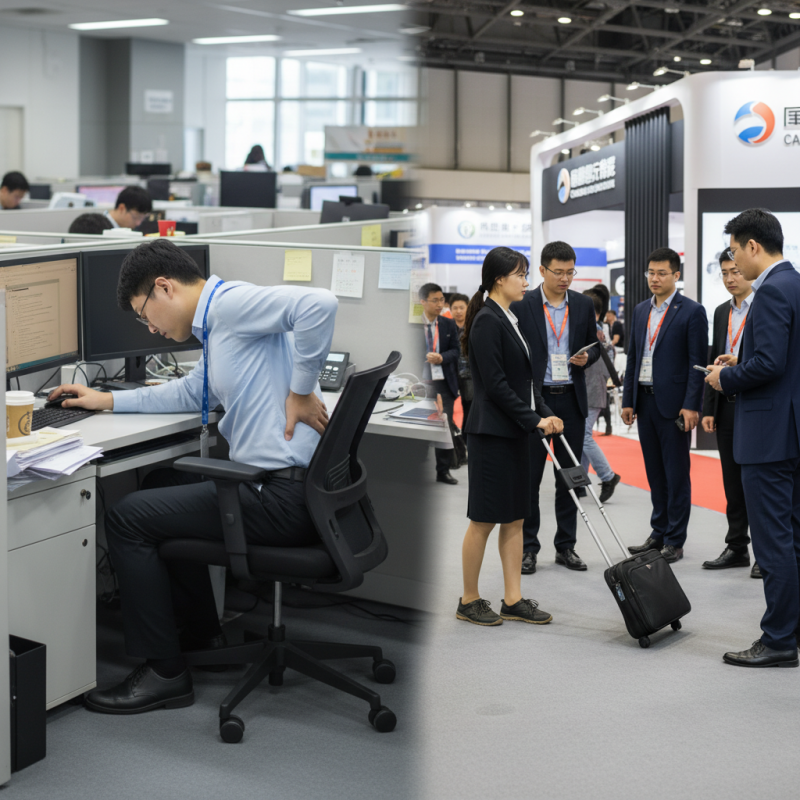
Poor posture at work can lead to several health issues. Many people unknowingly slouch or hunch while sitting at their desks. This can create strain on the neck, shoulders, and back. Signs of poor posture include rounded shoulders, forward head posture, and discomfort. If you find yourself frequently adjusting your chair or leaning in uncomfortably, take note. Your body might be sending you a signal to correct your posture.
To help improve your posture, consider adjusting your workspace. Use an ergonomic chair that supports your lower back. Keep your feet flat on the ground. Your monitor should be at eye level, reducing the need to look down. Taking regular breaks to stand up and stretch can also make a significant difference. Remember to check your posture throughout the day. It is easy to forget about it while focused on work.
As the 139th Canton Fair approaches, make sure to engage in activities that promote good posture. Plan for walks during your time at the fair. Look for exhibits designed ergonomically. Networking events can be opportunities to practice standing tall and actively engaging. It’s essential to stay mindful of your posture, both at work and during events, to ensure your comfort and well-being.
Poor posture at work can lead to significant health issues. Many employees unknowingly adopt bad sitting habits. According to the American Chiropractic Association, approximately 31 million Americans experience lower back pain at any given time. One clear sign of poor posture is slouching in the chair. This habit puts extra stress on the spine and can result in chronic pain.
Another indicator is the position of the neck. Forward head posture increases the strain on neck muscles. Studies show that this can increase the risk of developing tension headaches. Employees may also notice discomfort in their shoulders. Rounded shoulders often stem from prolonged computer use. A survey by the National Safety Council found that nearly 70% of office workers report discomfort in their shoulders.
Monitoring these signs is vital. If you often shift positions or adjust your chair, it’s a red flag. Engaging in self-reflection about your workspace setup can help. Simple adjustments like using ergonomic chairs can also make a difference. Behavior may need altering to ensure long-term health and productivity.
Poor posture at work can significantly affect employee health and productivity. According to a report by the American Chiropractic Association, nearly 80% of adults experience back pain at some point. This pain often results from prolonged sitting and improper ergonomics. Employees slouch in their chairs, straining their necks and backs. This discomfort can lead to decreased focus and higher absenteeism.
The impact extends beyond physical pain. A study by the International Journal of Workplace Health Management revealed that poor posture can lower productivity by up to 15%. Employees who are uncomfortable are less engaged. Their concentration suffers, and tasks can take longer to complete. This disconnect often creates a negative work environment.
Creating a culture of awareness around posture is vital. Simple adjustments in workspace design can enhance comfort. Encouraging employees to take breaks and stretch can also help. A little reflection can go a long way, highlighting the need for better posture management at work. Implementing these changes might seem trivial, but the potential benefits are immense.
Maintaining good posture during work hours is critical for our health. Slouching in a chair or craning over a screen can lead to discomfort. Many people don’t realize how much time they spend in unhealthy positions at work. For instance, you might find yourself hunched over a desk for hours. The tension in your neck and back builds up.
To improve your posture, be conscious of your sitting habits. Sit up straight, with your back aligned against the chair. Your feet should be flat on the ground, creating a stable base. Consider using a cushion for extra support. Remember to adjust your screen height so your eyes are level with it. This adjustment can prevent straining your neck. Breaks are essential too; a quick stretch every hour can relieve tension and reset your posture.
While trying to maintain good posture, don't be hard on yourself. Everyone struggles with this at times. You might catch yourself slumping after long hours. That's okay! Progress takes patience. Reflect on your posture throughout the day. Small adjustments can make a big difference in your comfort and productivity.
| Poor Posture Signs | Tips for Improvement |
|---|---|
| Slouching shoulders | Adjust your chair to support your back. |
| Forward head position | Keep your computer screen at eye level. |
| Lower back pain | Use a lumbar support cushion. |
| Wrist strain | Maintain a neutral wrist position with your keyboard. |
| Foot positioning issues | Keep your feet flat on the ground or a footrest. |
Preparing for the 139th Canton Fair requires careful planning. Start by researching the exhibitors and products that interest you. Make a list of what you aim to explore. This will keep you focused amidst the crowd. Don't forget to check the fair’s schedule. It helps to know when key events occur.
Consider practical details like accommodation and local transport. Booking early can save money. Public transport can be convenient, but it’s often crowded. Personal comfort matters. A comfortable pair of shoes is essential since you’ll be walking a lot. Hydration is important too. Carry a water bottle to stay refreshed throughout the day.
Networking is vital at trade fairs. Bring plenty of business cards. Engage in conversations, but be genuine. Sometimes, the right connections can lead to unexpected opportunities. Reflect on your approach. Be open to learning, but don’t hesitate to share your insights as well. Ask questions and listen attentively; this can yield valuable information.
Understanding the common posture problems at work can help to mitigate their effects. The following chart highlights the percentage of workers experiencing various symptoms associated with poor posture. Ensure you take breaks and maintain ergonomically friendly setups during the upcoming Canton Fair.
: Signs include slouching, rounded shoulders, and forward head posture. Discomfort often accompanies these indicators.
It can lead to neck, shoulder, and back strain. Chronic pain may develop over time if not addressed.
Adjust your workspace. Use an ergonomic chair and ensure your monitor is at eye level.
Regularly throughout the day. It's easy to forget while focused on tasks.
Take regular breaks to stretch. Listen to your body; if discomfort persists, reassess your workspace.
Yes, many employees slip into this habit. It’s important to monitor your sitting position.
A forward head position increases strain on neck muscles. This can lead to tension headaches.
Absolutely. An ergonomic setup can help prevent poor posture and discomfort during work.
Prolonged computer use often results in rounded shoulders and shoulder discomfort. Regular adjustments are necessary.
Engage in activities like walking. Practice standing tall while networking to maintain good posture.
Maintaining good posture at work is crucial for overall health and productivity. Poor posture can manifest in various ways, such as slouching, craning the neck forward, or misaligned wrists while typing. It's essential to recognize what are the signs of poor posture at work; common indicators include discomfort in the back or neck, fatigue, and reduced concentration. These issues not only affect personal well-being but can also lead to decreased efficiency in tasks.
To counter these effects, employees should adopt practices that promote good posture, such as adjusting their chair height, ensuring their screens are at eye level, and taking regular breaks to stretch. Furthermore, those attending the 139th Canton Fair should prepare thoroughly by understanding how to maintain proper posture while networking and showcasing their products, ensuring not only comfort but also a professional appearance.
Ospiel Medical