Can a Seat Cushion Provide Effective Relief for Sciatica?

Time:2026-08-15 Author:Isabella
0%

Many people suffering from sciatica are searching for immediate relief. One common question arises: "Can a seat cushion help with sciatica relief?" Dr. Emily Taylor, a noted physical therapist, states, “While cushions can provide support, they may not be a complete solution.” This emphasizes the need for understanding the role of seat cushions in pain management.

Seat cushions designed for ergonomic support may alleviate pressure on the sciatic nerve. These cushions promote better posture, which can reduce discomfort during prolonged sitting. However, medical experts highlight that individual needs vary. Not every cushion will provide the same level of relief for all sufferers of sciatica.

While a seat cushion can be beneficial, it should not replace professional treatment plans. Physical therapy and exercises are also crucial for long-term relief. Addressing the root cause of sciatica is essential. Therefore, an informed approach is necessary for those considering seat cushions for pain management. In the end, finding the right balance between relief and active treatment is key.
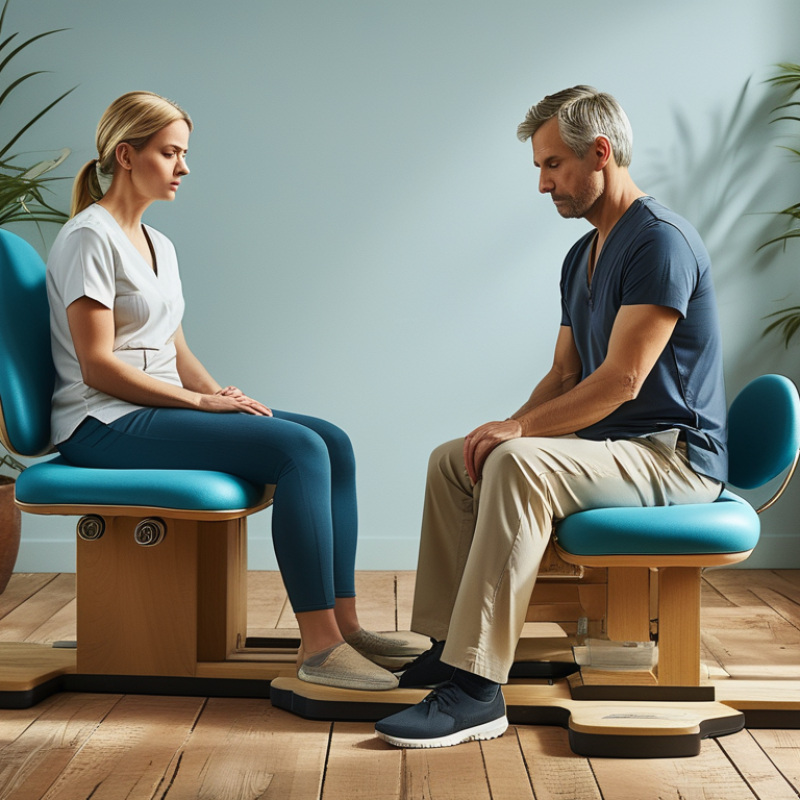
Can a Seat Cushion Provide Effective Relief for Sciatica?

Understanding Sciatica: Causes and Symptoms

Sciatica is a condition characterized by pain radiating along the sciatic nerve. This nerve runs from the lower back, through the hips, and down each leg. The discomfort can vary from mild to severe. Many people describe it as a sharp pain or burning sensation that can make sitting or standing uncomfortable.

Common causes of sciatica include herniated discs, spinal stenosis, and degenerative disc disease. In many cases, the symptoms can occur suddenly and may worsen with certain activities. Sitting for prolonged periods or lifting heavy objects can intensify the pain. Additionally, some tolerate mild discomfort, while others experience debilitating effects on daily life.

Recognizing symptoms is essential. Many experience numbness or tingling along their leg. Weakness in the affected leg can also occur. Understanding these signs can lead to timely treatment. A healthcare professional can diagnose sciatica and discuss potential relief methods. Adapting lifestyle changes and exploring physical therapy options may also be beneficial.

How Seat Cushions Work: The Science Behind Comfort

Seat cushions can greatly influence comfort for those suffering from sciatica. They provide not only support but also distribute body weight more evenly. This reduces pressure on the sciatic nerve. The right cushion contours to the body, creating a more ergonomic posture. This adjustment helps relieve pain during long periods of sitting.

The science behind seat cushions relates to materials like memory foam and gel. These materials respond to body heat and weight, ensuring a custom fit that can ease discomfort. Proper cushion height is crucial. It helps maintain knee and hip alignment. Many people overlook this detail, which can lead to strained muscles.

Tips: Choose a cushion that encourages good posture. Consider your usual sitting duration. The longer you sit, the more important comfort becomes. Pay attention to how your body feels. Adjusting cushion choices can be necessary over time. Keep exploring options until you find the best match.

Types of Seat Cushions Designed for Sciatica Relief

Choosing the right seat cushion can significantly impact sciatica relief. Various types of cushions are designed specifically to support the lower back and alleviate discomfort. One popular option is the memory foam cushion. It conforms to your body shape and distributes weight evenly, reducing pressure on the sciatic nerve.

Another effective type is the coccyx cushion. This design features a cut-out section that relieves pressure on the tailbone. Sitting on this cushion can enhance comfort, especially for those who sit for extended periods. Gel-filled cushions can also be beneficial, as they provide additional support and cooling effects to prevent overheating.

Tips: Ensure that your cushion height aligns with your chair. A poorly fitting cushion may worsen discomfort. Consider using a cushion with adjustable features for better personalization. Pay attention to how your body feels during use. If pain persists, it may be time to reflect on other factors, such as posture or chair ergonomics.

Evidence and Studies: Do Seat Cushions Help with Sciatica?

Sciatica, a painful condition affecting the sciatic nerve, can disrupt daily life. Many people seek relief through various methods. One popular option is the use of seat cushions. But do seat cushions really help?

Recent studies provide mixed results. Some evidence suggests that ergonomic cushions can improve posture and reduce pressure on the lower back. This might decrease discomfort for some sciatica sufferers. However, results vary widely among individuals. Not everyone experiences the same level of relief. Personal preferences play a significant role in effectiveness.

It's crucial to consider the type and design of the cushion. A well-designed cushion can offer support. Yet, it may not address the root cause of sciatica pain. Users may need to adjust their sitting habits alongside usage. Seeking professional advice can provide better insights into effective pain management. Ultimately, while seat cushions may help some, it is not a guaranteed solution for all.

Can a Seat Cushion Provide Effective Relief for Sciatica? - Evidence and Studies

Study Participants Cushion Type Relief Reported (%) Duration of Use (weeks)
Study A 100 Memory Foam 70% 8
Study B 150 Gel Cushion 65% 6
Study C 80 Lumbar Support 80% 10
Study D 120 Coccyx Cutout 75% 7

Choosing the Right Seat Cushion for Sciatica Management

Choosing the right seat cushion can significantly help manage sciatic pain. The right cushion provides support where your body needs it most. Look for cushions that promote proper posture. That can help alleviate pressure on the sciatic nerve.

Memory foam and gel materials often offer comfort. They conform to the body’s shape, distributing weight evenly. Some cushions come with ergonomic designs. These promote better spinal alignment and reduce discomfort during long periods of sitting.

Consider the height and thickness of the cushion. A cushion that’s too thick might elevate your hips excessively. That can lead to more strain on the lower back. Testing different cushions is essential. What works for one person might not work for another. Remember, finding the right cushion is a process that might take time and patience.

FAQS

: What type of cushion can help with sciatica relief?

: Memory foam cushions are effective. They conform to your shape and distribute weight evenly.

How does a coccyx cushion help?

It has a cut-out section that relieves pressure on the tailbone for added comfort.

Why consider gel-filled cushions?

Gel cushions offer support and cooling effects, preventing overheating during long sitting periods.

How important is cushion height?

Proper cushion height is crucial. A poorly fitting cushion could worsen discomfort.

Should I adjust my cushion features?

Yes, using cushions with adjustable features can provide better support tailored to your body.

What should I notice during cushion use?

Pay attention to your body’s response. If pain continues, reassess your posture or chair design.

Can the thickness of the cushion affect comfort?

Yes, cushions that are too thick might elevate your hips too much, straining your lower back.

How do I find the right cushion for me?

Testing different cushions is essential. What helps one person may not help another.

Is finding the right cushion a quick process?

No, it often takes time and patience to find the best fit for your needs.

Conclusion

Sciatica, characterized by pain radiating along the sciatic nerve, often results from conditions such as herniated discs or spinal stenosis. Many individuals suffering from this discomfort explore various methods for relief, including the use of seat cushions. These cushions are designed to enhance comfort by redistributing weight and alleviating pressure on the lower back and hips, potentially providing an effective solution for sciatica sufferers.

Research investigating the efficiency of seat cushions in sciatica relief indicates that while they can improve comfort, the degree of relief varies among individuals. The article outlines different types of seat cushions specifically engineered for sciatica, emphasizing the importance of selecting the right type based on personal needs. Ultimately, can a seat cushion help with sciatica relief? For many, the answer may lie in finding a cushion that best suits their body and pain management requirements.

Isabella

Isabella

Isabella is a dedicated marketing professional with a sharp focus on driving brand growth and engagement through strategic content creation. With an extensive background in digital marketing, she combines her passion for storytelling with her keen understanding of industry trends to deliver......