How to Safely Transport a Heavy Automatic Massager?

Time:2026-07-06 Author:Madeline
0%

Transporting a heavy automatic massager requires careful planning and execution. Experts in the field, such as Dr. Samuel Hart, emphasize the importance of safety. He once stated, “Proper handling techniques can prevent injuries and equipment damage.” This highlights the necessity of understanding how to transport a heavy automatic massager effectively.

When considering the transport process, weight distribution is crucial. Using a sturdy dolly can help alleviate strain and make the journey easier. It’s not only about moving the massager from point A to B; it’s about doing so safely. Improper techniques can lead to accidents or damage, which can be a waste of time and resources.

Although many may overlook details, ignoring them can lead to regrettable outcomes. For instance, securing the massager properly during transport prevents unnecessary movement. It’s not just about brute strength; finesse and mindfulness are essential. Overlooking these aspects can turn a simple transport into a challenging ordeal.
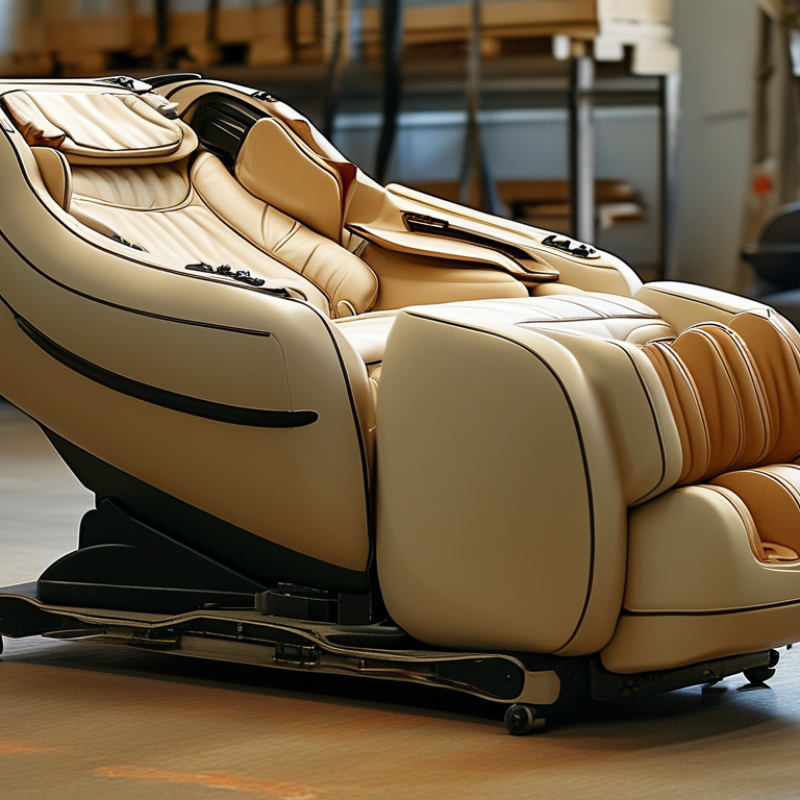
How to Safely Transport a Heavy Automatic Massager?

Choosing the Right Equipment for Transporting a Heavy Massager

Transporting a heavy automatic massager requires careful planning and appropriate equipment. The first step is to assess the weight and dimensions of the massager. This helps in selecting the right transport tools. For heavier massagers, a dolly or hand truck is often ideal. These devices provide the necessary support to move hefty items without straining your back.

Make sure to secure the massager during transport. Use sturdy straps or bungee cords to keep it in place. This prevents any shifts that could cause damage. If transporting over uneven surfaces, consider using a ramp. It minimizes the risk of damage and makes moving easier. Personal safety is crucial; wear protective gloves and flat shoes to ensure stability while handling the massager.

Despite planning, issues may still arise. For example, the dolly might struggle on stairs or tight turns. It’s important to stay flexible and adapt to each situation. Remember to take breaks if needed. Heavy lifting is physically demanding, and fatigue can lead to accidents. Reflecting on these challenges can improve future transport configurations.

Weight and Size Comparison of Heavy Automatic Massagers

Preparing the Massager for Safe Transport

Transporting a heavy automatic massager requires careful preparation. Start by turning off the device and unplugging it. This prevents any accidental activation during transport. Next, remove any detachable parts. Loose components can get damaged or lost easily. Wrapping these parts separately helps keep them safe.

Use a sturdy, padded box for transport. Soft padding, like bubble wrap or blankets, prevents damage to the massager's delicate components. If available, use the original packaging. This ensures a snug fit and adds extra protection. Avoid lifting the device alone. Enlist the help of another person. An extra set of hands makes handling easier and safer.

Before loading, check for any sharp edges or fragile areas. Addressing these small details can save you a lot of hassle later. Always secure the massager in the vehicle. It should not shift during transit.

After arrival, carefully unpack the device. Inspect it for any damage before use. Taking these steps makes transport less stressful and more reliable.

Techniques for Lifting and Carrying the Massager

Transporting a heavy automatic massager requires careful thought and preparation. Always assess the weight and size of the device before attempting to lift it. It’s important to wear comfortable, supportive shoes to prevent slips or falls. A firm, stable surface is essential. As you approach the massager, clear the surrounding area of any obstacles that might cause tripping.

When lifting, use your legs instead of your back. Bend your knees and keep your back straight. This technique reduces strain and helps in maintaining balance. Grip the massager firmly, distributing weight evenly between both hands. If it feels too heavy, don’t hesitate to ask for help. Consider a dolly or cart for easier transportation.

While the goal is to move quickly, rushing can lead to mistakes. Take your time and focus on steady movements. If you feel a strain, pause and readjust your grip. It’s okay to rethink your strategy if something doesn’t feel right. Being cautious ensures safety for both you and the massager.

How to Safely Transport a Heavy Automatic Massager? - Techniques for Lifting and Carrying the Massager

Technique Description Safety Tips Recommended Tools
Team Lift Always lift with a partner to share weight and prevent strain. Make sure both lift in sync to avoid injury. Straps, Dolly
Bend Your Knees When lifting alone, bend your knees and keep your back straight. Don’t twist your body while lifting. Proper footwear
Use a Hand Truck Utilize a hand truck to make moving easier and more efficient. Secure the massager with straps before moving. Hand Truck, Straps
Use Your Legs Lift by pushing up with your legs instead of pulling with your arms. Keep your feet shoulder-width apart for balance. None
Clear Path Ensure your path is clear of obstacles before moving. Move slowly and carefully. None

Securing the Massager During Transit

Transporting a heavy automatic massager safely requires careful planning. When securing the massager during transit, choose the right packing materials. The massager should be cushioned with foam or bubble wrap. These materials absorb shock and prevent damage.

Use strong straps or ropes to secure the massager in place. Ensure it doesn’t shift while being transported. If possible, place the massager in a sturdy box. This adds an extra layer of protection. Don't forget to label the box clearly. Indicating that it contains fragile items is essential. A little extra attention can prevent potential issues.

Consider the weight distribution in the vehicle. Placing the massager against the back wall helps maintain stability. Be mindful of how you lift and load it. Incorrect techniques may lead to injury or damage. Reflect on your method. Be sure to double-check your work before hitting the road.

Best Practices for Loading and Unloading the Massager

Transporting a heavy automatic massager requires careful planning, especially during loading and unloading. Start by ensuring you have the right equipment. Use a dolly or hand truck for easier maneuverability. This will not only save your strength but also help prevent accidents.

Before lifting, always assess the weight. If it feels too heavy, seek assistance. Communication with your helper is crucial. Agree on signals to ensure smooth movement. When unloading, maintain a stable base. Keep your feet firmly planted and lift with your legs, not your back. This reduces the risk of injury.

Consider your surroundings as well. Clear any obstacles to prevent tripping. Check for uneven surfaces that could lead to mishaps. If you're using a staircase, take extra care. Move slowly and place the massager securely at each step. Remember, safety should always be your priority. Mistakes can happen; if something feels off, stop and reevaluate your approach.

FAQS

: How should I prepare the massager for transport?

: Turn off and unplug the massager first. Remove detachable parts for safety.

What should I use for packaging the massager?

A sturdy, padded box is ideal. Use bubble wrap or blankets for extra protection.

Is it necessary to have help when lifting the massager?

Yes, enlisting help makes lifting safer and easier. Don’t try to lift it alone.

How can I ensure the massager is secure during transport?

Always secure it in the vehicle. This prevents shifting and possible damage.

What should I check before lifting the massager?

Look for sharp edges or fragile areas. Addressing these details helps avoid issues later.

How should I lift the massager properly?

Use your legs to lift, keeping your back straight. This reduces strain and injury risk.

What if the massager feels too heavy?

If it feels too heavy, don’t hesitate to ask for help. Consider using a dolly or cart.

Should I take my time while moving the massager?

Yes, rushing can lead to mistakes. Focus on steady movements for safety.

What to do if I feel strain while lifting?

Pause and readjust your grip. It’s okay to rethink your strategy if needed.

What should I do after arriving with the massager?

Carefully unpack and inspect it for any damage before use. This is important for safe operation.

Conclusion

Transporting a heavy automatic massager requires careful planning and execution to ensure safety. The first step is choosing the right equipment, such as appropriate dollies or straps, to facilitate movement. Preparing the massager by securing loose parts and ensuring it is clean can prevent damage during transit. When learning how to transport a heavy automatic massager, lifting techniques are crucial; it’s important to use your legs rather than your back to avoid injury.

During transit, securing the massager prevents shifting that may result in harm or damage. Best practices for loading and unloading include ensuring a clear path and utilizing ramps if necessary. Following these guidelines will not only protect the massager but also ensure a safe moving experience for individuals involved in the transportation process.

Madeline

Madeline

Madeline is a dedicated marketing professional with a wealth of expertise in our company's core offerings. With a keen understanding of the industry, she brings a unique perspective to her role, consistently delivering high-quality content that highlights the superior aspects of our products. As......