Tailbone pain can be an uncomfortable and persistent issue for many individuals. Sitting for extended periods often exacerbates this pain. Learning how to relieve tailbone pain while sitting all day is essential for improving comfort and productivity. This guide will explore practical strategies to alleviate discomfort, allowing you to focus on your tasks without distraction.
Many people struggle with finding relief. Simple adjustments, such as using supportive cushions or changing sitting posture, can make a significant difference. Consistency is vital; it may take time to see results. Engaging in gentle stretches can help ease tension and promote better alignment.
Understanding your body’s response is crucial. Personal experiences, combined with expert insights, can guide you toward more effective solutions. Start with small changes and see what works for you. Each person’s journey to relief is unique, but with patience, improvement is possible.
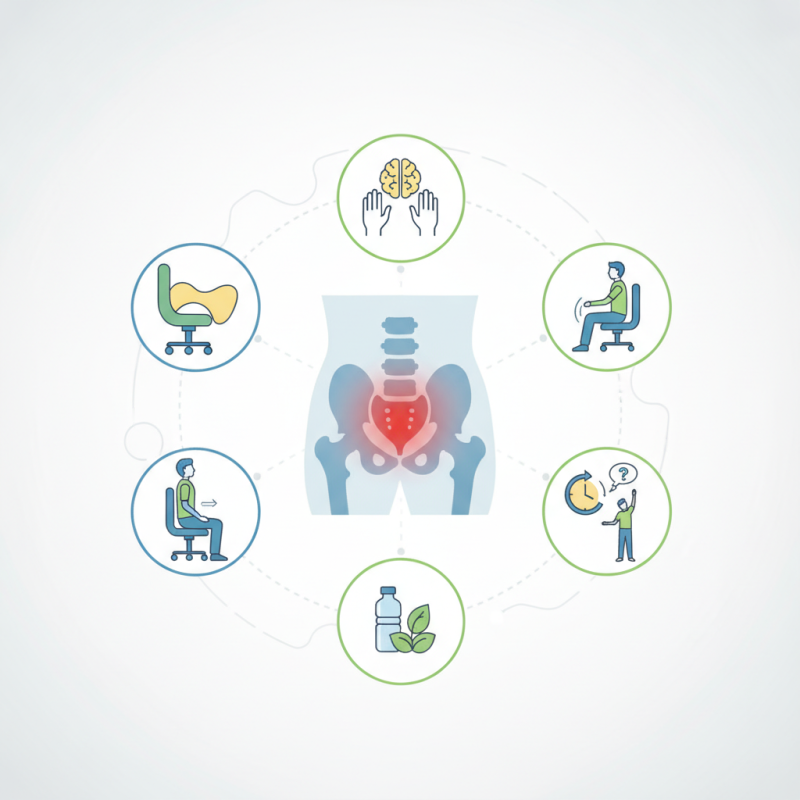
Tailbone pain, or coccydynia, can be frustrating, especially for individuals who sit for extended periods. Understanding the causes of tailbone pain is essential. Common culprits include prolonged sitting, injury, or conditions like arthritis. Poor posture exacerbates the issue, leading to increased discomfort. It’s important to recognize that even minor adjustments can significantly impact the level of pain experienced.
To alleviate discomfort, consider using a cushion with a cut-out section. This can relieve pressure on the tailbone while sitting. Also, periodically standing or stretching helps reduce stiffness. Incorporating exercises that strengthen the core and pelvic floor can provide additional support to the tailbone and improve posture.
Listening to your body is vital. If pain persists, consulting a healthcare professional is advisable. They can provide tailored advice and potentially recommend physical therapy. Being proactive about posture and breaks can often lead to better outcomes in managing tailbone pain.
Finding the right seating position is crucial for relieving tailbone pain, especially if you sit all day. Start by evaluating your chair. It should support your lower back and have adequate cushioning. If your chair is too hard, it may exacerbate discomfort. A soft cushion, specifically designed for tailbone relief, can make a significant difference.
Adjust your chair height so that your feet are flat on the ground. This keeps your spine in a neutral position. Sitting too low or too high can put extra pressure on your tailbone. Experiment with the angle of your seat. Leaning slightly forward can shift weight off the coccyx. Try maintaining this posture for short periods, gradually increasing as it feels comfortable.
Posture is equally important. Keep your shoulders back and avoid slouching. Slumping can lead to increased pressure on your tailbone. Take regular breaks to stand and stretch. This not only relieves pain but also improves blood circulation. If pain persists, consult a healthcare professional for advice on long-term solutions. Remember, finding that sweet spot for comfort can involve some trial and error.
Tailbone pain, or coccydynia, can be debilitating for those who sit for extended periods. Research indicates that approximately 25% of adults experience tailbone pain at some point in their lives. This discomfort often arises from poor posture, long hours of sitting, or even injuries. Incorporating specific exercises and stretches can significantly help alleviate this pain.
One effective stretch is the seated forward bend. While sitting, reach your hands toward your feet, feeling the stretch in your lower back and tailbone area. Hold for 15-30 seconds. Another beneficial exercise is the bridge. Lie down, bend your knees, and lift your hips while squeezing your glutes. This move strengthens the pelvis and can relieve tension around the tailbone.
Tips: Remember to take regular breaks during your day. Stand up and walk around every hour to promote circulation. Using a cushion designed for tailbone relief can also be helpful. Adjusting your chair height and ensuring proper lumbar support are crucial to maintaining a healthy posture. Regularly practicing these exercises can cultivate a routine that supports long-term relief. Reflect on your habits; if pain persists, consider consulting a healthcare professional for personalized guidance.
Sitting all day can lead to tailbone pain. Using the right cushions and supports is essential for relief. A simple cushion can change your experience. Look for a wedge-shaped cushion designed to offload pressure from the tailbone. This type of cushion helps align your spine and redistributes weight evenly. Remember, comfort is key; don’t hesitate to try different shapes.
A lumbar support can enhance comfort levels significantly. Place it behind your lower back while sitting. This support encourages a natural curve, reducing strain. However, it might take some time to adjust. Ensure that the cushion is adjustable to suit your specific needs. Finding the right height is crucial. Improper alignment can lead to further discomfort.
Incorporating breaks into your sitting routine can also help. Stand up and stretch, even if it's just for a minute. Pay attention to your body's signals. If pain persists, it could be time to reassess your seating arrangements. Your choices influence your daily comfort. Aim for ergonomic solutions, but remember they are not one-size-fits-all. Keep experimenting until you find what works best for you.
Tailbone pain can severely affect your daily life. If you frequently sit for long hours, it's crucial to listen to your body. Seek professional help if the pain becomes persistent or worsens over time. It's essential to identify the root cause of your discomfort. Whether it’s due to injury, prolonged sitting, or underlying conditions, a healthcare provider can offer guidance. They may recommend imaging tests to rule out serious issues.
Don’t ignore other troubling symptoms. If you experience numbness, tingling, or affecting your ability to walk, consult a healthcare professional immediately. These signs might indicate a more complex condition. Specialized physical therapy could be beneficial in your recovery process. Practicing safe sitting habits can alleviate pressure on your tailbone. Using supportive cushions can also help reduce pain. Remember, taking proactive steps now can lead to a healthier future.
: Tailbone pain, or coccydynia, affects about 25% of adults. It often results from prolonged sitting or poor posture.
Specific exercises, like seated forward bends and bridges, can relieve tension. They strengthen muscles around the tailbone.
In this stretch, sit and reach your hands toward your feet. Hold the position for 15-30 seconds to feel the stretch.
Regular breaks, like standing and walking every hour, promote better circulation and reduce pain risks.
A wedge-shaped cushion can offload pressure effectively. It helps align the spine and distributes weight evenly.
Placing lumbar support behind your lower back promotes a natural curve. This reduces strain and may take time to adjust.
Persistent pain or worsening symptoms, like numbness or walking difficulties, should prompt a visit to a healthcare professional.
Signs like tingling or pain affecting mobility are red flags. They might indicate more complex conditions needing attention.
Yes, finding adjustable cushions that suit individual needs is crucial. Experimenting can help discover the best fit for comfort.
Practicing safe sitting habits and using supportive cushions can alleviate pressure. Take steps now for a healthier future.
Tailbone pain can be a frustrating condition for those who sit for extended periods. Understanding the causes of this discomfort is crucial in addressing it effectively. This article offers practical guidance on how to relieve tailbone pain while sitting all day. It emphasizes the importance of finding the right seating position to reduce pressure on the tailbone, as well as incorporating specific exercises and stretches that can alleviate pain over time.
Additionally, using cushions and supports designed for comfort can make a significant difference in managing tailbone pain during long hours of sitting. Finally, the article highlights the importance of knowing when to seek professional help, ensuring that individuals receive the appropriate care and treatment for their discomfort. By following these tips and strategies, one can greatly improve their sitting experience and reduce tailbone pain effectively.

Ospiel Medical