When considering what to look for in a pressure relief mattress, expert Dr. Emily Johnson emphasizes the importance of comfort and support. She states, "A good mattress should adapt to your body's shape, reducing pressure on sensitive areas." This highlights the critical role of pressure relief in quality sleep.
Pressure relief mattresses are essential for individuals with specific health needs. They are designed to minimize discomfort and prevent pressure sores. However, not all mattresses are the same. Consumers often find themselves overwhelmed by options. Understanding what to look for can mean the difference between a restful night and endless tossing and turning.
Look for materials that promote airflow, such as memory foam or gel layers. These can enhance comfort while providing support. However, the ideal mattress must also fit your personal sleeping style and body type. While some may prioritize firmness, others might need a softer touch. Ultimately, the right choice may require trial and error. Finding an effective mattress is a journey, but it’s vital for your overall well-being.
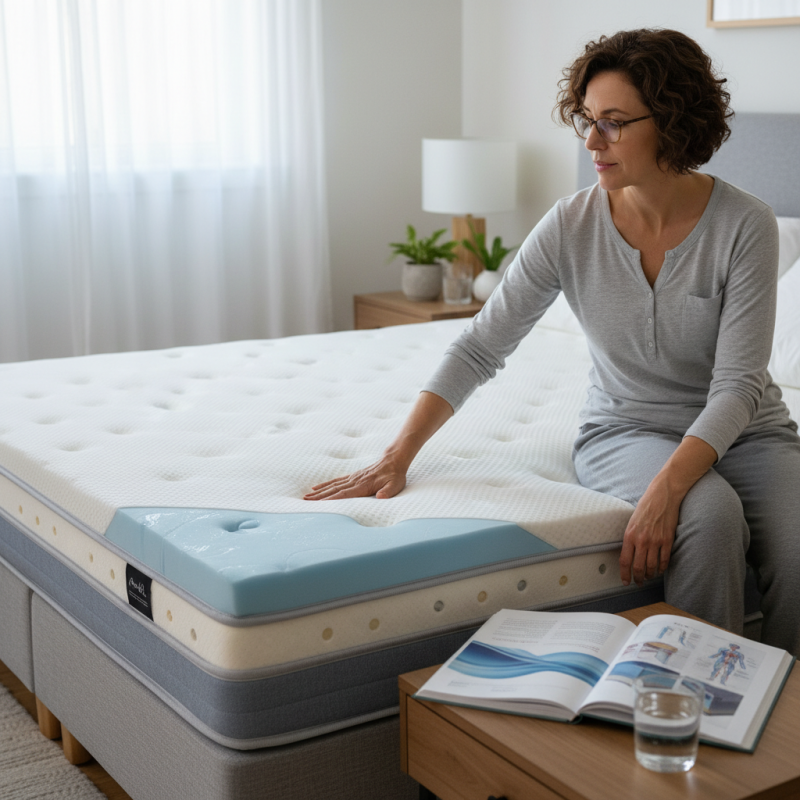
Understanding Pressure Relief Mattresses: Key Features to Consider
When choosing a pressure relief mattress, there are key features to evaluate carefully. One important aspect is the material used. High-density foam and gel-infused layers are popular choices. They provide better weight distribution, reducing pressure points. According to a study by the Journal of Rehabilitation Research, proper materials can lower the risk of pressure ulcers by up to 70%.
Another factor is mattress firmness. The right firmness level supports natural spinal alignment. A mattress that is too soft may cause excessive sinking. Conversely, one that is too firm may lead to discomfort. Research from the National Institutes of Health suggests that medium-firm mattresses are the most effective for pressure relief. Testing different firmness levels is crucial in finding the best option.
Lastly, breathability and temperature regulation are vital. Many people experience discomfort due to overheating during sleep. A mattress that incorporates cooling technology can enhance sleep quality. Some studies show improved sleep patterns correlate with cooler sleep environments, which can be critical for those at risk of skin injuries. Evaluating these features allows for a more informed decision in selecting a suitable pressure relief mattress.
Importance of Pressure Redistribution in Mattress Design
When selecting a pressure relief mattress, pressure redistribution plays a crucial role. Proper design helps distribute body weight evenly. This reduces pressure points, which can lead to discomfort and skin issues. It’s essential for individuals with limited mobility or those at risk of pressure ulcers.
Consider the mattress material. Memory foam, for instance, conforms to the body. This adaptability can enhance comfort and support. However, some people find it retains heat. Other materials such as latex may offer a cooler sleeping experience but could be firmer. Reflect on your personal preferences when choosing.
Tip: Check for certifications. Look for those that meet safety and health standards. This ensures the mattress is a reliable choice. Also, give the mattress a test. Spend a few minutes lying on it in different positions. This can reveal how well it redistributes pressure across your body. Remember, what feels comfortable to one person may not feel the same to another. Be open to trying various options before making a decision.
What to Look for in a Pressure Relief Mattress Guide
| Feature |
Description |
Importance |
| Material Composition |
Mattresses made of high-quality foam or gel are ideal for pressure relief. |
Ensures durability and effective pressure distribution. |
| Firmness Level |
The firmness should match the user's weight and sleep position. |
Aids in spine alignment and comfort. |
| Pressure Mapping |
Some mattresses offer pressure mapping technology to visualize pressure points. |
Helps to identify suitable mattress for pressure redistribution. |
| Temperature Regulation |
Look for materials that keep the body cool during sleep. |
Essential for a comfortable sleep experience. |
| Warranty Period |
A longer warranty indicates confidence in mattress quality. |
Provides peace of mind for the buyer. |
Material Types: Foam, Gel, and Hybrid Options for Pressure Relief
When choosing a pressure relief mattress, material type plays a crucial role. Foam, gel, and hybrid mattresses each offer unique benefits.
Foam mattresses contour to the body, providing excellent support. They can alleviate pressure points, making them suitable for those who experience discomfort. However, they may retain heat, leading to an uncomfortable sleeping experience.
Gel mattresses incorporate cooling technology. They provide pressure relief while promoting airflow. This makes them ideal for individuals who tend to sleep hot.
The gel layer can dissipate heat effectively, helping maintain a comfortable temperature throughout the night. But, some may find gel mattresses slightly firmer than traditional foam options.
Hybrid mattresses blend both foam and innerspring materials. This combination ensures balanced support and comfort. They often feature a top layer of foam for pressure relief, alongside a sturdy base for support.
However, finding the right hybrid can be tricky, as construction varies significantly.
Tips: Consider your sleeping position. Side sleepers benefit from softer materials. Back and stomach sleepers may prefer firmer options. Also, assess any allergies; certain foams can trigger sensitivities. Lastly, test the mattress if possible. Spend some time lying on it to feel its support. This reflection can guide you in making an informed decision.
Support Levels: Evaluating Firmness and Adjustability for Comfort
When choosing a pressure relief mattress, evaluating firmness and adjustability is crucial. Each individual's comfort level is unique. Firmness greatly impacts spine alignment. A mattress that is too firm can cause pressure points. Conversely, one that is too soft may fail to support the body adequately.
Adjustability also plays a vital role in ensuring personal comfort. Some mattresses allow users to customize firmness levels. This feature is especially beneficial for couples with differing preferences.
Consider the weight and sleeping position of each user. Side sleepers may prefer a softer mattress, while back sleepers often benefit from a firmer option.
Tips: Always test a mattress before purchasing. Spend at least 10-15 minutes lying down. Pay attention to any discomfort. Don’t forget about the importance of a good foundation. It can influence how firm or soft a mattress feels. Select a mattress that offers trial periods. This allows for adjustments after the initial purchase. It’s a valuable way to find the perfect fit for your needs.
Additional Considerations: Size, Weight Capacity, and Warranty Options
When selecting a pressure relief mattress,
size, weight capacity, and warranty options are crucial. The mattress should match the
bed dimensions for optimal support. A standard twin mattress is 38 by 75 inches,
while a queen measures 60 by 80 inches. Choosing the right size prevents
discomfort and enhances sleep quality.
Weight capacity is another key factor. Most mattresses have a rated weight limit,
typically between 250 to 500 pounds. Exceeding this limit can lead
to quicker wear and reduced support. According to the National Sleep Foundation, proper
weight distribution on the mattress significantly affects its longevity and performance.
Tips: Always verify weight limits before purchase. Opt for a mattress designed
for your weight class for optimal comfort.
Warranty options also deserve attention. A typical warranty runs between 5 to 20 years.
However, not all warranties cover the same issues. Read the fine print to understand what’s included.
A good warranty reflects a manufacturer’s confidence in their product.
Tips: Look for warranties that cover sagging and wear. Ensure the terms are user-friendly
and clear to avoid surprises later.
In conclusion, focusing on size,
weight capacity, and
warranty ensures better choices for pressure relief mattresses.
Prioritize these aspects for a more restful and supportive sleep experience.
FAQS
: The main types are foam, gel, and hybrid. Each has unique benefits.
Foam mattresses contour to the body. They alleviate pressure points effectively.
They can retain heat, causing discomfort for some sleepers.
Gel mattresses have cooling technology. They promote airflow and dissipate heat.
Yes, some users may find gel mattresses slightly firmer than traditional foams.
Hybrid mattresses combine foam and innerspring materials for balanced support and comfort.
Matching the mattress size to bed dimensions prevents discomfort and enhances sleep quality.
Most mattresses have a weight limit. Exceeding this can reduce support and lead to wear.
Warranties usually range from 5 to 20 years, but details vary across products.
Look for coverage on sagging and wear. Clear terms help avoid surprises later.
Conclusion
When considering what to look for in a pressure relief mattress, it is essential to understand the key features that contribute to effective pressure redistribution. A well-designed pressure relief mattress should help reduce the risk of pressure sores and provide comfort for individuals spending extended periods in bed. Key aspects to consider include the materials used, with options such as foam, gel, and hybrids, each offering unique benefits for pressure relief.
Additionally, support levels are crucial; evaluating firmness and adjustability can help ensure a personalized sleeping experience. Other factors to keep in mind are the mattress size, weight capacity, and warranty options, all of which can greatly affect your satisfaction and long-term investment. By focusing on these elements, you can make an informed decision and choose a mattress that best meets your pressure relief needs.

 Ospiel Medical