Finding the perfect position for a lumbar cushion can transform your seating experience. Many people sit for hours, and discomfort can lead to fatigue and pain. Knowing exactly "where to place a lumbar cushion for maximum comfort" is essential for achieving good posture and relieving pressure on your spine.
The lumbar cushion should be positioned at the lower back, just above the hips. This placement supports the natural curve of your spine. However, individual comfort levels may vary. Experimentation is often necessary. Some may prefer it slightly higher or lower, depending on personal needs.
Listen to your body. If you feel strain or discomfort, you might need to adjust the cushion's position. Remember that what works for one person may not work for another. Ensure that the cushion extends the full width of your lower back for the best support. Learning how to optimize your lumbar support can be a process of trial and error.
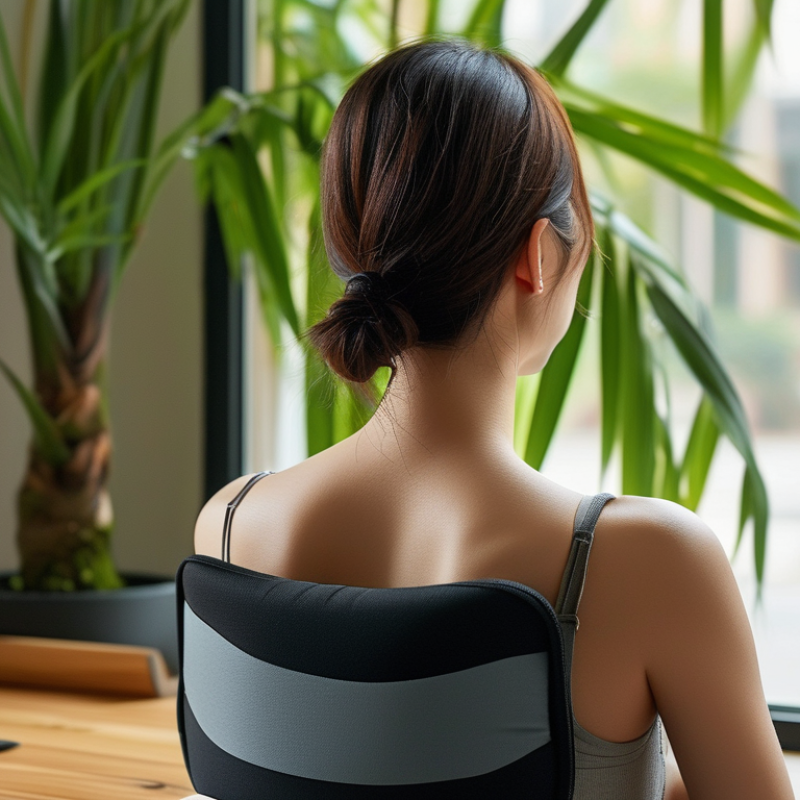
A lumbar cushion is designed to offer support to the lower back. Understanding its anatomy can enhance comfort levels, especially for those who sit for prolonged periods. The cushion typically features a contoured shape that aligns with the natural curve of the spine. This promotes better posture and reduces strain on back muscles.
When placing a lumbar cushion, position it at the small of your back. This provides immediate support to the area most affected by sitting. It should fill the gap between your back and the chair. Improper placement can lead to discomfort or even exacerbate existing back issues. Many users find that adjusting the height of the cushion can further enhance their sitting experience.
It's important to choose cushions with different levels of firmness. While softer cushions offer immediate relief, firmer options may provide better support over time. Experimenting with various types can help in finding the best fit. Remember that maintaining good posture is essential, even with a well-placed lumbar cushion. Consistently check your alignment as you sit. This will enhance the overall benefits of using a lumbar cushion.
When considering the ideal height and thickness for a lumbar cushion, several factors come into play. Research indicates that a lumbar support cushion should ideally be placed where it fills the natural curve of the lower back. This is usually just above the pelvic area and below the ribs. The correct height is typically between 4 to 6 inches, providing a gentle lift without pushing the back excessively.
Professional ergonomic studies suggest that the thickness of a lumbar cushion should range between 2 to 4 inches. A cushion that is too thick may lead to discomfort by forcing the spine into an unnatural position. Conversely, a cushion that is too thin may provide inadequate support. The key is to find a balance that maintains the natural lumbar curve while allowing for movement and flexibility.
Additionally, the material of the lumbar cushion is crucial. Memory foam is favored for its adaptability, molding to the user’s body shape. However, some users find that softer materials can feel less supportive over time. A firmer cushion may be preferred for those seeking long-term support. Therefore, users need to consider their individual comfort levels and adjust accordingly.
Finding the right spot for a lumbar cushion can significantly enhance your comfort. The ideal placement often varies depending on your seating position. When sitting in an office chair, position the cushion just above your hips. This helps maintain the natural curve of your spine. Make sure it's snug against your lower back, providing support without pushing you forward uncomfortably.
For those who relax on the couch, the placement shifts a bit. Here, the lumbar cushion should sit lower, near the tailbone. This position supports your lumbar region while allowing for a more relaxed posture. If you're sitting on the floor, try placing the cushion directly behind your back. However, this may not always provide ample support. You might need to adjust the height based on your body type and comfort level.
Experimenting with different positions is key. If you feel discomfort or pain, your cushion placement might need a reevaluation. The goal is a gentle reminder to keep your spine aligned, but the perfect position is often a personal journey. Pay attention to your body’s signals as you explore various seating arrangements.
Finding the right angle for your lumbar cushion can greatly affect your comfort and posture. Research indicates that many people spend over six hours a day sitting, often leading to back pain and discomfort. Adjusting the cushion angle is crucial. A slight tilt of 10 to 15 degrees can encourage the natural curvature of the spine, reducing stress on the lumbar region.
The right height is also essential. The cushion should support the lower back while allowing your knees to be slightly higher than your hips. Studies find that maintaining proper hip alignment can improve blood flow and reduce fatigue. If the cushion feels too firm or soft, consider replacing it gradually with materials that better conform to your body shape.
Be mindful that individual comfort varies. What works for one person may not be suitable for another. Regular adjustments to the angle and position can help you find your ideal setup. Remember, your posture and comfort during extended sitting periods directly affect your overall well-being. Taking the time to perfect your cushion placement can make a notable difference in your daily life.
| Position | Cushion Angle | Comfort Level (1-10) | Posture Improvement (Yes/No) |
|---|---|---|---|
| Lower Back | 90° | 8 | Yes |
| Mid Back | 100° | 7 | Yes |
| Upper Back | 95° | 6 | No |
| Seat | 85° | 9 | Yes |
| Side | 80° | 5 | No |
Proper lumbar cushion placement can significantly enhance comfort and support. When positioned correctly, cushions align the spine and promote proper posture. According to the American Chiropractic Association, around 80% of adults experience back pain at some point in their lives. A lumbar cushion can play a crucial role in alleviating this discomfort.
Studies suggest that using lumbar support can reduce spinal disc pressure. Research shows a decrease in lumbar disc pressure of up to 50% with proper cushion use. This suggests that an appropriately placed lumbar cushion can also lower the risk of developing chronic discomfort. When adjusting your cushion, aim for it to fit snugly against the lower back. This area is where support is needed most.
While many users report increased comfort, the experience can vary. Some may find cushions too firm or too soft, leading to discomfort after prolonged use. It's essential to find a balance that feels supportive without causing stress on the spine. Regular reevaluation of cushion placement and firmness can help achieve the best ergonomic benefits.
: The ideal height is between 4 to 6 inches. This helps fill the natural curve of the lower back.
The thickness should range from 2 to 4 inches. Too thick or too thin may cause discomfort.
Position the cushion just above your hips. This supports the natural curve of your spine.
Place the cushion lower near the tailbone. This allows for a relaxed posture while still providing support.
A tilt of 10 to 15 degrees is recommended. This encourages proper spinal curvature and reduces stress.
Adjust the height and angle frequently. Comfort can vary widely among individuals, so listen to your body.
Memory foam adapts well to body shape. However, firmer cushions may offer better long-term support.
If you experience discomfort or pain, reevaluate the cushion placement. Adjusting may lead to improved comfort.
Proper hip alignment improves blood flow and reduces fatigue. This is key for comfort during long sitting periods.
When considering where to place a lumbar cushion for maximum comfort, it is essential to understand its anatomy and purpose. A lumbar cushion is designed to support the natural curve of the lower back, providing optimal height and thickness for effective lumbar support. Proper placement strategies should be adapted based on different seating positions, whether at a desk, in a car, or while relaxing on a sofa.
Moreover, adjusting the cushion angle can further enhance comfort and maintain good posture throughout the day. The ergonomic benefits of using a lumbar cushion properly extend beyond immediate comfort; they can lead to significant health improvements by reducing the risk of back pain and encouraging better spinal alignment. Ultimately, the right placement and usage can transform how we experience long periods of sitting, promoting overall well-being.

Ospiel Medical