Infrared therapy has gained attention in recent years for its potential benefits in improving blood circulation. Dr. Emily Stone, a leading expert in physical therapy, emphasizes the importance of this technology. She states, "Infrared therapy can significantly enhance blood flow and promote healing in the body."
Many individuals experience poor circulation due to various factors, including age and lifestyle. Infrared therapy, as an alternative treatment method, may offer solutions. By using specific wavelengths of light, infrared therapy can penetrate the skin and stimulate blood vessels. This process can lead to increased oxygen delivery and improved nutrient transport.
However, the effectiveness of this therapy varies from person to person. Some may see notable improvements, while others might not experience the same benefits. Further research is needed to fully understand who may benefit the most. Overall, the question remains: can infrared therapy improve blood circulation effectively across diverse populations? This inquiry continues to drive both clinical studies and patient interest in this innovative treatment.
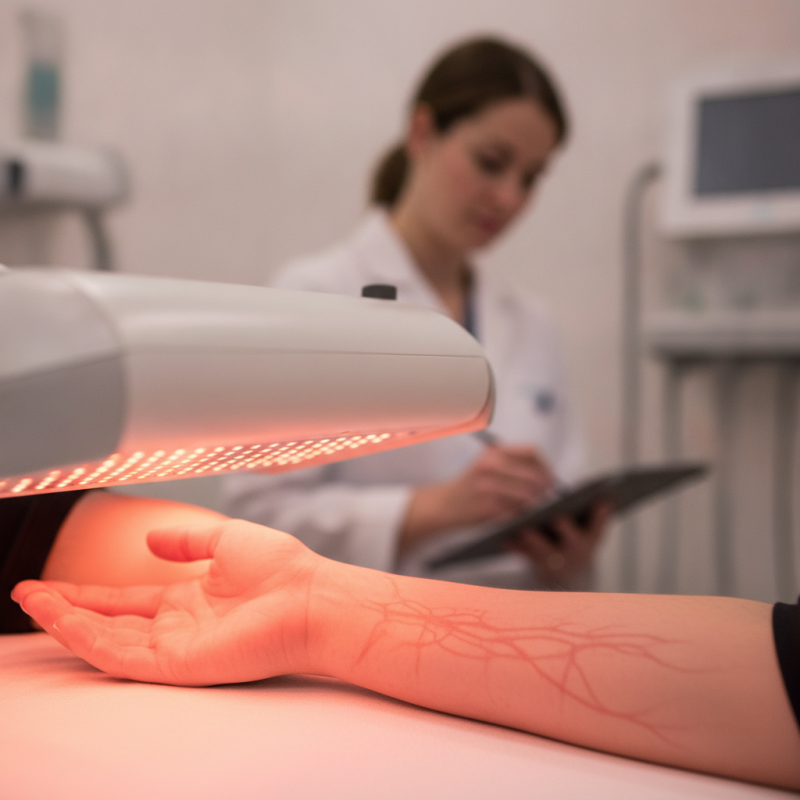
Infrared therapy utilizes light wavelengths beyond the visible spectrum. This treatment has gained attention for its potential to improve blood circulation. A report from the Journal of Photochemistry and Photobiology states that infrared light can penetrate the skin and increase local blood flow. Infrared rays promote vasodilation, leading to more oxygen and nutrients reaching tissues. This process is vital for healing injuries and reducing inflammation.
Studies indicate that regular use of infrared therapy may enhance circulation by up to 30%. Enhanced circulation can reduce pain and stiffness. The therapy helps in promoting faster recovery from muscle fatigue and sports injuries. Data from several clinical trials show significant improvements in patients with chronic pain conditions. However, not everyone may experience the same benefits. Individual responses can vary based on health conditions and skin type.
Infrared therapy is generally considered safe. However, it is important to approach it holistically. Patients should assess their specific situations and may need to consult healthcare professionals. Understanding the science behind infrared therapy is crucial. While there are promising results, more long-term studies are necessary. Awareness of potential limitations can guide individuals in making informed decisions regarding their health.
| Dimension | Description | Impact on Blood Circulation |
|---|---|---|
| Infrared Wavelength | Measured in micrometers, typical therapeutic ranges | Enhances blood flow due to deep tissue penetration |
| Temperature Increase | Degrees Celsius the skin temperature rises | Facilitates vasodilation and increased circulation |
| Treatment Duration | Typical session length in minutes | Optimal length for enhancing circulation |
| Frequency of Treatment | Recommended sessions per week | Regular treatment improves long-term circulation |
| Patient Age | Age range of individuals receiving therapy | Affects baseline circulation improvements |
: Infrared therapy uses wavelengths of light beyond the visible spectrum. It aims to improve blood circulation.
Infrared light penetrates the skin, promoting vasodilation and increasing blood flow to tissues.
Benefits include reduced pain, decreased inflammation, and faster muscle recovery. Some notice increased energy levels.
Yes, improper application can lead to skin burns. Users need to be cautious with pre-existing medical conditions.
Generally considered safe, individual responses vary. It's wise to consult a healthcare professional before starting treatment.
Regular use may enhance circulation by up to 30%. However, individual needs and responses must be considered.
Stop the treatment immediately. Consult a healthcare provider about your symptoms and concerns.
Yes, it may cause interactions. Discuss your current treatments with a healthcare professional before beginning therapy.
Some studies show benefits, but evidence can be inconsistent. More long-term research is necessary for conclusive claims.
Understand the potential benefits and risks. Being informed helps in making better health decisions regarding this therapy.
Infrared therapy is a non-invasive treatment that utilizes infrared light to enhance blood circulation. This therapy works by penetrating the skin, promoting vasodilation, and improving blood flow to tissues, which may lead to better oxygenation and nutrient delivery. Research indicates that can infrared therapy improve blood circulation, supported by various studies demonstrating its positive effects on peripheral blood flow and overall circulatory health.
While the potential benefits of infrared therapy include pain relief and reduced inflammation, it is essential to consider any risks associated with its use. Individuals interested in improving their blood circulation may also explore alternative treatments, such as physical exercise, nutritional adjustments, and other therapeutic modalities. Ultimately, a comprehensive approach to circulation health should be tailored to each individual's needs and circumstances.

 Ospiel Medical