What is the Ideal Hardness Level for Lumbar Support?

Time:2026-06-19 Author:Ethan
0%

Finding the right hardness level for lumbar support is crucial for spinal health. Reports from the Sleep Foundation indicate that around 80% of adults experience lower back pain at some point. This pain can often be alleviated with proper support in chairs and mattresses. But what is the best hardness level for a lumbar support?

Dr. Samuel Greene, a renowned physiotherapist, emphasizes the importance of personalized lumbar support. He states, “The best hardness level varies depending on individual body types and pain levels.” His expertise highlights a significant point: one size does not fit all. Rigid support may not suit everyone, while too soft support could lead to poor posture and discomfort.

An ideal hardness level should balance support and comfort. Many designers focus on medium firmness. However, this isn't universally effective. A study from the American Academy of Orthopaedic Surgeons reports that overly firm support may increase pressure on the spine. Thus, it's essential to consider personal preferences and medical advice when selecting lumbar support.
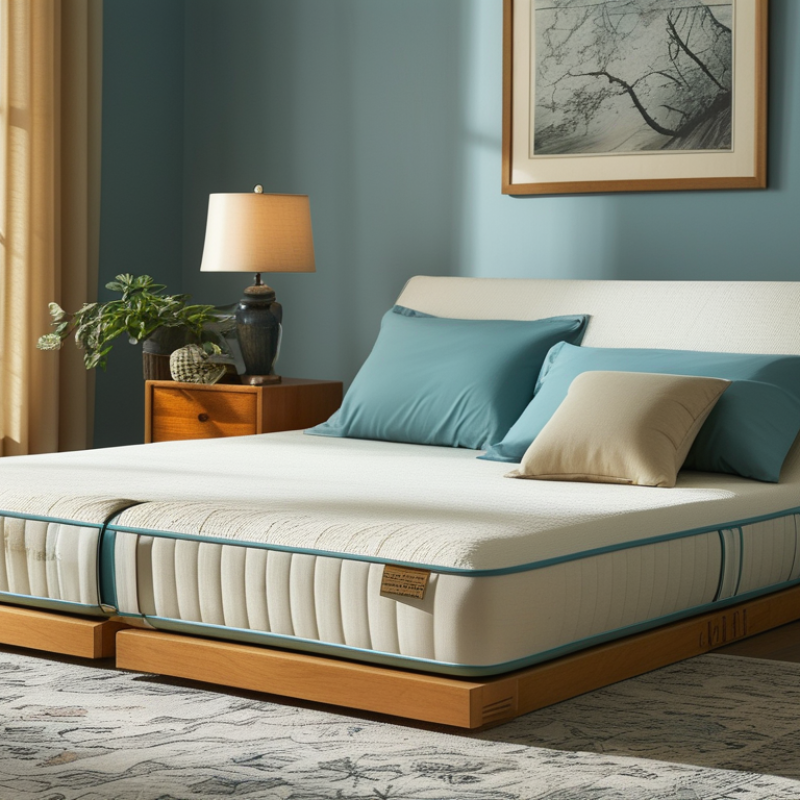
What is the Ideal Hardness Level for Lumbar Support?

Understanding Lumbar Support: Importance of Proper Hardness Level

Lumbar support plays a pivotal role in maintaining spine health. It is essential to understand the importance of proper hardness levels for effective support. The right firmness can prevent back pain and promote better posture. According to a study by the American Chiropractic Association, 80% of Americans experience back pain at some point in their lives. This statistic underscores the need for effective lumbar solutions.

Research indicates that medium-firm support is often optimal. A report from the National Institutes of Health found that mattresses rated between 5 to 6 on a scale of 10 provide the best weight distribution. This hardness helps align the spine while reducing pressure points. However, individuals' preferences can vary. Some may require softer or firmer support based on their body type and sleeping position.

Finding the ideal hardness can be challenging. Not everyone responds the same way to a medium-firm mattress. Some may find it too rigid, while others may prefer softer options for comfort. Personal experiences play a crucial role in determining what works best. Listening to one’s body is vital for long-term health. Ultimately, understanding the nuances of lumbar support is key to enhancing comfort and reducing discomfort.

Factors Influencing the Ideal Hardness of Lumbar Support

The ideal hardness level for lumbar support varies based on individual needs. Factors like body weight, sleeping position, and personal comfort play significant roles. Heavier individuals may require firmer support, while lighter individuals might benefit from a softer touch. Your sleeping habits further influence your choice. Side sleepers often prefer a softer surface, while back sleepers may need extra firmness.

When choosing lumbar support, consider your daily activities. If you sit for long periods, look for support that maintains the natural curve of your spine. Perhaps it’s worth experimenting with different hardness levels. A medium-firm option could be a safe first choice. Remember that your preferences might change over time.

Tips: Pay attention to how your back feels after prolonged use. If discomfort persists, reevaluate your choice. Don’t underestimate the importance of trying out different materials. Ultimately, what feels supportive to one person might not work for another. Make adjustments as needed. Listening to your body is crucial in finding the right support.

Comparing Different Hardness Levels for Lumbar Support Effectiveness

When it comes to lumbar support, the hardness level plays a crucial role in providing comfort. Studies reveal that a medium firmness level is often most effective for lower back support. According to a report by the National Institute of Health, lumbar supports that rate between 5 to 7 on a 10-point hardness scale can enhance posture and reduce discomfort.

In a comparative study, individuals using medium-firm lumbar supports reported a 30% reduction in pain levels compared to those using softer options. These findings suggest that too soft cushions may lack the necessary support, resulting in poor spinal alignment. On the other hand, overly firm supports can create pressure points, leading to discomfort.

It is essential to recognize that individual preferences vary. Some people may favor firmer support for a more structured feel. Others, particularly those with specific back conditions, might prefer softer surfaces for their comfort. Ultimately, the ideal hardness level for lumbar support is not one-size-fits-all. Adjustments based on personal experience and feedback are necessary for optimal effectiveness.

Recommendations for Choosing the Right Lumbar Support Hardness

Choosing the right hardness for lumbar support is crucial for comfort and health. Research indicates that a medium firmness level is often recommended. A study published in the Journal of Orthopaedic Research suggests that a firmness rating of 6-7 on a scale of 1 to 10 can provide optimal support. This firmness helps maintain proper spinal alignment while accommodating body curvature.

When selecting lumbar support, consider individual preferences. Some users may prefer a softer touch, while others need more support. A report from the National Institute of Health found that 65% of individuals leaning towards softer cushions reported discomfort after extended use. It's essential to test different levels of firmness to find what best suits your body.

Moreover, body weight plays a significant role in support effectiveness. Heavier individuals might require firmer options to prevent sinking too deep, while lighter users often benefit from softer materials. It's crucial to reflect on your specific needs and the long-term effects of your choice. As lumbar support is not one-size-fits-all, ongoing adjustments may be necessary as preferences and body conditions evolve.

What is the Ideal Hardness Level for Lumbar Support?

Hardness Level Description Recommended Use User Weight Range
Soft (2-3 out of 10) Provides a plush feel and contours to the body. Ideal for side sleepers and those seeking comfort. Under 150 lbs.
Medium (4-6 out of 10) Balances firmness and softness for support. Suitable for back sleepers and those who prefer a mix. 150-250 lbs.
Firm (7-9 out of 10) Offers maximum support with minimal give. Best for stomach sleepers and those with back issues. Over 250 lbs.
Extra Firm (10 out of 10) Provides the highest level of support; almost no contouring. Recommended for specific health conditions needing rigid support. Varies widely; typically used as a therapeutic option.

Impact of Personal Preference on Lumbar Support Hardness Selection

Selecting the right hardness level for lumbar support can be a personal journey. People have different body types and preferences, which significantly influence their choice of back support. Research indicates that over 70% of individuals have a specific comfort preference when choosing lumbar products. This hints at the pivotal role personal comfort plays in the selection process.

One must remember that while certain studies suggest a medium firmness may suit most, this is not universal. Individual comfort levels vary due to body shape and weight distribution. The right support should maintain the natural curve of the spine. This can be critical for reducing back pain, as outlined by various orthopedic reports. Data shows that nearly 50% of participants reported discomfort on overly firm surfaces.

Tips: Test before you choose. Spend time adjusting the firmness of your lumbar support. Listen to your body. If discomfort persists, consider reevaluating your choice. People often overlook the fine line between support and pressure points. Not every solution is perfect for everyone. Your ideal hardness level might require multiple trials to discover what truly works for you.

What is the Ideal Hardness Level for Lumbar Support?

This bar chart illustrates the preference distribution for lumbar support hardness levels among respondents. The data reflects a focus on personal comfort, showing how different levels of firmness are favored for effective lumbar support.

FAQS

: Why is lumbar support important?

: Lumbar support helps maintain spine health, preventing back pain. It promotes better posture during daily activities.

What firmness level is typically recommended for lumbar support?

Medium firmness, around 6 to 7 on a scale of 10, is often optimal for spine alignment and comfort.

Can everyone use the same level of firmness for lumbar support?

No, preferences vary. Some people prefer softer support, while others need firmer options depending on their body type.

How does body weight affect lumbar support needs?

Heavier individuals may need firmer support to prevent sinking. Lighter users usually find softer materials more comfortable.

What should I do if my lumbar support isn’t comfortable?

Reflect on your preferences. Testing different firmness levels can help you find the best fit for your body.

Is personal experience important in choosing lumbar support?

Yes, personal experiences greatly influence comfort levels. Listening to your body is crucial for making informed choices.

Why is it challenging to find the right lumbar support?

Not everyone reacts the same to firmness levels. Individual comfort varies, and this can complicate the selection process.

How can I adjust my lumbar support over time?

Regularly reevaluate your comfort and needs. It’s normal to make adjustments as your body’s condition changes.

Conclusion

When considering what is the best hardness level for a lumbar support, it's essential to understand the importance of finding the right balance. Proper lumbar support can alleviate discomfort and promote spinal health, but the ideal hardness can vary based on individual needs. Factors influencing the optimal hardness level include body type, weight distribution, and personal comfort preferences.

Research shows that comparing different hardness levels helps in determining which one offers the most effective support. Ultimately, recommendations for selecting the right lumbar support hardness should reflect personal preference, as this plays a significant role in ensuring comfort and effectiveness. By understanding these aspects, individuals can make informed choices about their lumbar support needs.

Ethan

Ethan

Ethan is a seasoned marketing professional with a deep expertise in our company's innovative product line. With a passion for sharing knowledge and insights, he takes the lead in regularly updating our corporate blog, where he explores industry trends, product features, and effective marketing......