How to Stop a Seat Cushion from Sliding China Top Tips?

Time:2026-10-29 Author:Isabella
0%

A cushion that creeps forward every time someone sits down can make a tidy room feel oddly frustrating. The good news: small changes often solve the problem. This guide explains how to stop a seat cushion from sliding, starting with the cause: smooth fabric, a polished seat, loose ties, or a cushion that does not fit.

Look closely before buying anything. Is the underside slick? Does the cushion shift when you press its front edge? A washable, non-slip mesh pad may help on many fabric seats, while discreet hook-and-loop strips can work when the materials are compatible. Always test a small area first; finishes and upholstery vary. Avoid solutions that leave sticky residue or damage delicate fabric.

A reliable expert quotation needs a verifiable source. No interview or article was supplied, so inventing a named expert’s words would weaken trust. Instead, this guide follows a practical rule: match the grip method to both surfaces, then check that the cushion still sits flat. A folded towel might seem to help, but it can create bumps and make the seat less comfortable. Small detail. Big difference. The tips ahead compare simple fixes, explain when each works best, and show how to keep the cushion secure without sacrificing comfort or appearance.
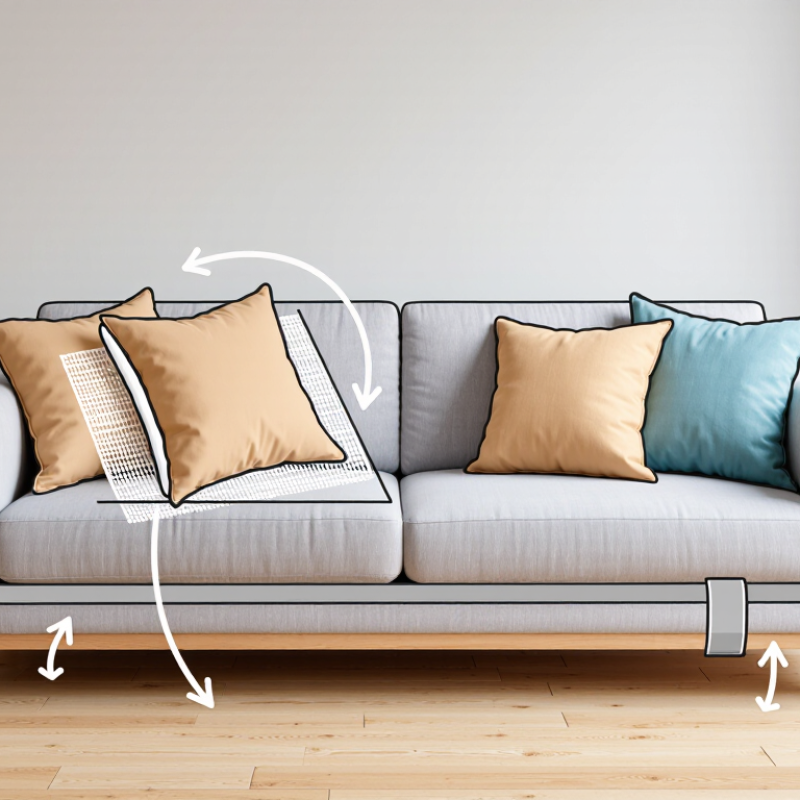
How to Stop a Seat Cushion from Sliding China Top Tips?

Identify Why the Seat Cushion Keeps Sliding

A seat cushion usually slides because the two surfaces beneath it have too little grip. Smooth upholstery, a slick cushion backing, dust, or loose fabric can all reduce friction. Check the underside first: a worn cotton cover feels different from a rubberized backing, especially when you press and twist it by hand. Also inspect the seat. A rounded front edge or sloped base can slowly push the cushion forward as you sit. Small details matter.

The cushion may also be the wrong size. If it bunches or overhangs, body weight shifts toward the edge and nudges it out of place. Foam matters, too: compressed filling may no longer hold its shape evenly. ASTM D1894-14(2021) measures static and kinetic friction as coefficients based on friction force and normal force. Its method covers plastic film and sheeting, not cushions, so it is a useful measurement framework, not a cushion pass-or-fail rule. That distinction matters.

Test the actual pairing: place the cushion on the seat, press down, then gently push it forward. If it moves with little effort, the surface pairing is likely the issue; if it creeps only after sitting, fit or seat slope may be involved. This diagnosis can be messy. Check again after cleaning, since dust can change the result.

Choose a Suitable Non-Slip Solution for the Cushion

A sliding seat cushion usually needs a solution matched to both its cover and the chair surface. For a fabric-on-fabric seat, try a breathable non-slip mesh pad cut slightly smaller than the cushion. Silicone grip dots can suit smoother upholstery, while ties or hook-and-loop fasteners may help on chairs with accessible frames. Check the underside first: some coatings can mark delicate fabrics or leave residue. Test a small area.

Small details matter. The World Health Organization’s Global Report on Falls Prevention in Older Age (2007) estimates that 28–35% of adults aged 65 and over fall each year. That figure is not specific to sliding cushions, but it underlines why a loose seat deserves attention, especially for older users. Press down on each cushion corner, then sit and shift gently to check whether the pad bunches or creeps. Test before committing. Washable mesh is practical, though it may need repositioning after laundering; adhesive grips can hold firmly but are harder to remove cleanly. I would not assume one fix works on every chair. Recheck the cushion after cleaning, and replace a worn grip layer if it starts to curl or slide.

Prepare the Chair and Cushion for a Secure Fit

Start with the chair, not the cushion. Remove crumbs and dust from the seat with a soft brush or vacuum. Grit can reduce grip and wear the fabric over time. If the chair has a removable seat cover, check its care label before cleaning. Let the surface dry completely; damp fabric may encourage slipping. Then inspect the seat for loose screws, rough edges, or a worn finish. Measure its width and depth, too. A cushion that overhangs the seat can shift when someone sits near an edge. It is easy to blame the cushion, but the chair’s surface is often part of the problem.

Place the cushion on the clean, dry seat and center it by matching its corners with the chair’s edges. On a smooth wooden or plastic seat, try a thin, washable nonslip liner cut slightly smaller than the cushion. This keeps the liner hidden and reduces bunching. Avoid strong adhesive tape, which may mark some finishes. If the cushion has ties, fasten them around sturdy chair supports without pulling so tightly that the seams strain. No ties? A fitted cover or properly sized liner may help. Sit down gently, then shift your weight from side to side and check whether the cushion moves. A small adjustment can matter. Recheck the fit after cleaning or whenever the cushion starts to creep forward.

How to Stop a Seat Cushion from Sliding: Prepare the Chair and Cushion for a Secure Fit

Measure the chair seat and cushion before adding a non-slip pad or other fastener. In this example, the seat is 45 cm wide; the side gap is calculated as half the difference between the seat and cushion widths. A smaller gap indicates a closer fit. Measurements are an illustrative calculation, not survey data.

Install the Grip Method and Position the Cushion

A cushion usually slides because the seat is slick, dusty, or slightly tilted. Start by removing the cushion and wiping the seat with a clean, dry cloth. Let the surface dry fully. Cut a non-slip mesh liner slightly smaller than the cushion, so its edges stay hidden. Place it flat on the seat without folds or curled corners. Keep it simple. Avoid sticky pads unless the seat material’s care guide says they are safe; some adhesives can leave marks.

Set the cushion back with its rear edge aligned to the back of the seat. Center it, then press down across the middle and corners. The cushion should sit flat, not hang over the edges. Test it gently by sitting down and shifting your weight from side to side. If it still creeps, check whether the liner is damp, wrinkled, or too small. A curved seat may need a thinner liner that follows its shape. One detail is easy to overlook: grip materials can discolor some finishes over time. Lift the cushion now and then to inspect the surface, especially on delicate upholstery.

How to Stop a Seat Cushion from Sliding China Top Tips? - Install the Grip Method and Position the Cushion
Method How to Do It Best For Helpful Check
1. Clean the Surfaces Remove the cushion and clean dust, crumbs, and loose debris from both the seat and cushion underside. Let any damp surfaces dry fully before replacing the cushion. Cushions that slide on a smooth or dusty seat Check that the seat and cushion underside are dry and free of residue.
2. Add a Non-Slip Grip Layer Place a non-slip rug-grip or upholstery-grip liner between the seat and cushion. Trim it so it sits inside the cushion’s edges and does not protrude. Loose cushions on wood, metal, or other smooth surfaces Choose a liner suitable for the seat material and follow its care instructions.
3. Position the Cushion Center the cushion on the seat, align its front edge with the seat, and press it down evenly so the grip layer makes contact across the surface. Cushions that shift because they are off-center Check the alignment from the front and both sides before sitting down.
4. Secure the Cushion If the cushion has ties, fasten them to suitable parts of the chair without overtightening. If it has a removable cover, make sure the cover is fitted smoothly. Chairs with tie-on cushions or cushions with fitted covers Make sure ties do not obstruct moving parts or create a tripping hazard.
5. Check the Fit Sit down gently and check whether the cushion moves. Reposition the grip layer or cushion if needed, and replace a worn or stretched liner. Any cushion after installation or adjustment Repeat the check after cleaning or moving the chair.

Test the Cushion and Maintain Its Grip Over Time

A seat cushion can seem secure when the room is quiet, then slide as soon as someone leans back. Start by checking the chair’s surface and the cushion underside. Dust, lint, and polished wood can reduce friction. Brush both surfaces clean, then let them dry fully. Small details matter.

Test the cushion with a few gentle movements. Sit near the center, shift your weight from side to side, and stand up slowly. Notice whether one corner moves first; that may point to an uneven frame or worn fabric. If it slips, try a washable non-slip pad cut slightly smaller than the cushion. Check that it lies flat and does not bunch beneath the seat. Retest before regular use. A quick tug is not enough.

Tips: Clean the contact surfaces every few weeks, or sooner in a busy room. Follow care labels when washing a grip pad, and let it dry completely before replacing it. Inspect for flattened texture, curled edges, or trapped crumbs. Replace a worn pad rather than layering several pieces, which can make the cushion unstable. Grip can fade with use. Even a careful setup may need adjustment after cleaning or seasonal changes.

FAQS

Why does my seat cushion keep sliding?

Dust, lint, polished surfaces, damp fabric, or an oversized cushion can reduce grip. The chair may be part of the problem.

What type of non-slip layer should I try?

For fabric-on-fabric seats, try breathable mesh. Silicone grip dots may suit smoother upholstery. Choose a washable pad that fits beneath the cushion.

How should I prepare the chair?

Brush or vacuum away crumbs and dust. Let the seat dry fully, then check for loose screws, rough edges, or worn finishes.

How do I fit a liner properly?

Cut it slightly smaller than the cushion so it stays hidden. Lay it flat; wrinkles can cause bunching. Test before use.

Can ties or adhesive grips help?

Ties can attach to sturdy chair supports, but avoid straining the seams. Adhesive grips may hold well, yet can leave marks or residue.

How can I check whether the cushion is secure?

Sit near the center, shift gently side to side, and stand slowly. Watch which corner moves first. A quick tug is not enough.

How often should I clean and inspect the grip?

Clean contact surfaces every few weeks, or sooner in a busy room. Dry a washed pad fully, then check for curled edges or flattened texture.

When should I replace the non-slip pad?

Replace it if it curls, slides, or has flattened texture. Avoid stacking layers; they can make the cushion unstable.

Why pay attention to a loose cushion, especially for older users?

The article cites an annual fall estimate of 28–35% for adults aged 65 and over. That figure is not specific to cushions. I used to blame the cushion, but the chair surface may be the real issue.

Conclusion

A seat cushion that slides can make sitting uncomfortable and may result from a smooth chair surface, loose fabric, an ill-fitting cushion, or everyday movement. To find how to stop a seat cushion from sliding, first check the chair and cushion materials, their size and shape, and whether dust or debris is reducing friction. Choose a suitable non-slip option, such as a fitted grip layer or a secure fabric tie, that works with both surfaces and does not damage them.

Before installing it, clean and dry the chair and cushion, then place the grip solution evenly so it covers the area where the cushion meets the seat. Position the cushion carefully and check that it sits flat without bunching or overhanging. Test it by sitting down and shifting gently. If it still moves, adjust the placement or try a better-fitting grip method. Regularly check for wear, clean away debris, and reposition the cushion as needed to maintain a secure fit over time.

Isabella

Isabella

Isabella is a dedicated marketing professional with a sharp focus on driving brand growth and engagement through strategic content creation. With an extensive background in digital marketing, she combines her passion for storytelling with her keen understanding of industry trends to deliver......