Tailbone pain can turn an ordinary workday into a cycle of pressure, stiffness, and cautious movement. If your chair feels hard by lunchtime, learning how to relieve tailbone pain while sitting all day starts with reducing direct pressure, not simply sitting straighter. The World Health Organization’s 2020 Guidelines on Physical Activity and Sedentary Behaviour recommend replacing prolonged sitting with light activity whenever possible. That guidance matters because even a well-designed chair cannot compensate for hours without movement.
Occupational ergonomist Dr. Alan Hedge is widely associated with the practical reminder, “The best posture is the next posture.” In other words, shift often. Try a coccyx cushion with a rear cutout, keep both feet supported, and place your screen near eye level. Stand for two minutes every 30 to 45 minutes. Walk while taking a phone call. Small changes can feel surprisingly effective. They can also fail if the pain has another cause.
Research and clinical guidance on coccydynia commonly identify prolonged sitting, recent falls, childbirth, and altered pelvic mechanics as possible contributors. However, tailbone pain is not always a simple ergonomic problem. A 2023 systematic review in the Journal of Clinical Medicine described conservative care, including posture changes, cushions, and physical therapy, as common first-line approaches. Seek medical assessment if pain follows trauma, worsens steadily, interrupts sleep, or includes numbness, weakness, fever, or bowel and bladder changes. The uncomfortable truth is that no universal cushion works for everyone. Your symptoms, chair, work habits, and movement patterns must be considered together.
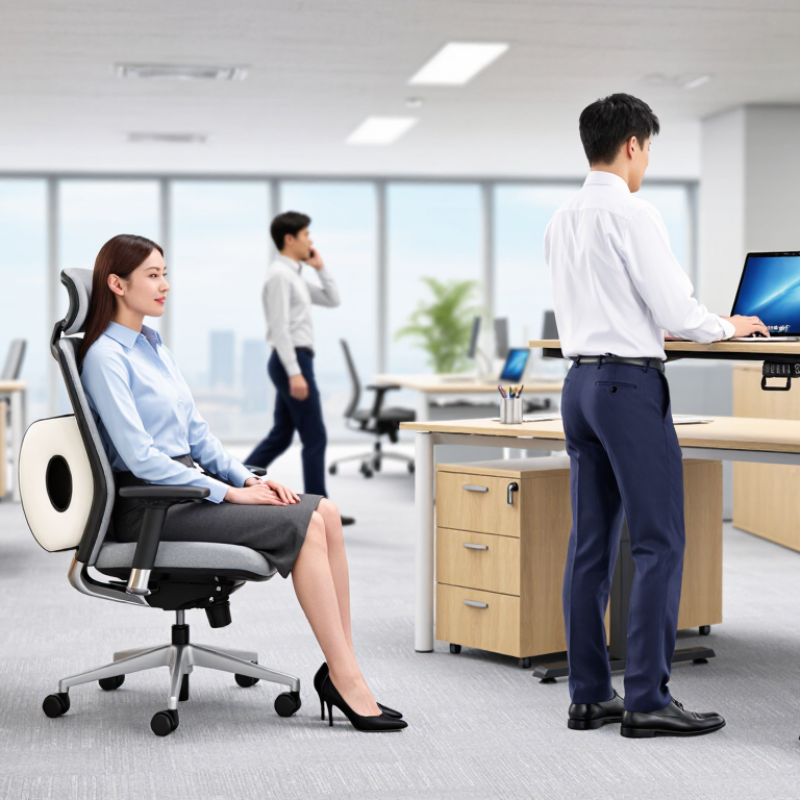
Understanding Why Sitting Triggers Tailbone Pain
Tailbone pain often begins with pressure, not movement. When you sit, your coccyx supports part of your body weight, especially on a firm chair. Slouching can tilt the pelvis backward and press the tailbone against the seat. Long periods of sitting may also tighten the hips and pelvic floor. A previous fall, childbirth, arthritis, or repeated cycling can make this area more sensitive. The pain may feel dull, sharp, or worse when standing up.
Tips:
Change position every 30 to 45 minutes. Stand, walk briefly, and gently stretch your hips. Sit with your feet flat and your back supported. A wedge-shaped cushion can shift pressure away from the coccyx, but comfort varies. I once assumed softer seating was always better; it can sometimes increase pelvic pressure. Test small adjustments instead. Avoid leaning far backward or sitting on one leg. Heat may relax surrounding muscles, while cold can help after a recent injury.
Persistent pain deserves attention. A healthcare professional can check for coccyx injury, muscle tension, or less common causes. Seek medical advice sooner if pain follows a significant fall, or if you notice numbness, leg weakness, fever, bowel changes, or unexplained weight loss. Pain that lasts several weeks should not be dismissed as “just sitting.”
Adjusting Your Sitting Position for Better Coccyx Support
Tailbone pain often worsens when the pelvis rolls backward and pressure concentrates around the coccyx. A supportive sitting position starts with your hips slightly higher than your knees. Keep both feet flat, relax your knees, and let your lower back meet the chair. A firm wedge cushion may help, especially if it has a rear cutout for the coccyx. Avoid leaning away from your desk. This can feel awkward initially.
Do not chase one perfect posture all day. Change position every 30 to 60 minutes, even briefly. Set a timer, stand beside your chair, and walk for two minutes. OSHA workstation guidance recommends regular position changes and short pauses during computer work. The World Health Organization’s 2020 guidelines recommend 150–300 minutes of moderate physical activity weekly for adults. Those minutes cannot fully cancel long, uninterrupted sitting.
Notice what happens after adjustment. Less pressure is useful; numbness or increasing pain is not. I would not treat a cushion as a cure. It may also encourage slouching if it raises your hips too much. Persistent pain, pain after a fall, leg weakness, or bowel and bladder changes require prompt medical assessment. A clinician can check whether the coccyx, lumbar spine, pelvic muscles, or another structure is involved.
How to Relieve Tailbone Pain While Sitting All Day?
Adjusting your sitting position can help reduce pressure on the coccyx. These practical angle targets support a more neutral posture; individual comfort and medical advice should take priority.
Simple tip: Keep your feet supported, place your hips slightly higher than your knees, recline the backrest slightly, and change position regularly instead of sitting in one posture all day.
Choosing Cushions and Furniture to Reduce Pressure
Tailbone pain often worsens when a chair loads the coccyx directly. Choose a cushion that shifts pressure toward your sit bones. A U-shaped or rear-cutout design can leave the tender area slightly unloaded. Look for firm, supportive foam rather than a deeply sinking pad. Too soft can tilt your pelvis and create new pressure.
The World Health Organization reported that low back pain affected 619 million people globally in 2020. This is not a coccyx-specific figure, but it shows the scale of musculoskeletal discomfort. OSHA’s Computer Workstations guidance recommends adjustable seating, supported feet, and neutral posture. Set chair height so your hips stay level with, or slightly above, your knees. Keep both feet flat. Avoid leaning backward directly onto the tailbone.
Furniture matters as much as the cushion. A firm, level seat, adjustable height, and slightly reclined backrest can distribute pressure more evenly. Avoid hard edges pressing behind your thighs. Change position every 30 minutes. A brief walk may help more than endless cushion shopping. Try one adjustment at a time. My earlier assumption that more padding is better needs questioning. Comfort can guide testing, but it cannot replace medical assessment. Persistent pain, numbness, or pain after a fall warrants professional evaluation.
Using Gentle Movement and Home Care for Pain Relief
Tailbone pain can make a full workday feel surprisingly exhausting. Gentle movement often helps more than staying perfectly still. Every 30 to 45 minutes, stand up and walk for two minutes. Change position often. A slow pelvic tilt may also reduce stiffness. Sit tall, relax your shoulders, and gently rock your pelvis forward and backward. Keep it gentle. Stop if the pain becomes sharp, spreads down your leg, or causes numbness.
Home care can reduce pressure on the coccyx. Sit on a firm, supportive cushion with a rear cutout, or lean slightly forward while seated. Keep both feet flat and avoid slouching into a soft sofa. A warm compress may relax tight muscles, while a wrapped cold pack can help after a recent injury. Use either method for 15 to 20 minutes, protecting your skin with a cloth. Avoid prolonged cycling and repeated sit-ups while symptoms are active.
A common mistake is stretching too aggressively. More movement is not always better. Pain that continues for several weeks deserves medical assessment, especially after a fall, childbirth, or direct impact. Seek prompt care for fever, bowel or bladder changes, leg weakness, or unexplained weight loss. A clinician can check whether the pain comes from the coccyx, nearby joints, or another condition. Keep a simple note of sitting time, movements, and pain changes; it may reveal patterns you otherwise miss.
Knowing When Tailbone Pain Requires Medical Evaluation
Tailbone pain can make an ordinary workday feel surprisingly difficult. Sitting on a hard chair may create a sharp, bruised sensation near the coccyx. A 2004 study in Spine found that women developed coccydynia about five times more often than men. However, the evidence base remains small, and estimates vary between studies. I once viewed this pain as only a posture problem. That assumption is incomplete.
Medical evaluation matters when pain lasts several weeks, worsens, or limits walking and sleep. Arrange prompt care after a fall, especially with swelling, severe tenderness, or suspected fracture. Seek urgent help for fever, unexplained weight loss, numbness, leg weakness, or new bowel or bladder problems. These signs may indicate infection, nerve involvement, or another condition beyond simple pressure irritation. NHS guidance also recommends assessment when self-care fails or symptoms keep returning. The American College of Radiology advises that imaging decisions should follow a clinical examination, rather than routine scanning alone.
Tips: Use a coccyx cushion with a rear cutout, and lean slightly forward while sitting. Stand for two or three minutes every half hour. Keep both feet supported and avoid slumping. Gentle walking may help more than prolonged bed rest. Do not press directly on the painful area. A 2022 clinical review reported that treatment evidence remains limited and inconsistent, so improvement can require adjustment rather than one perfect solution.
FAQS
Sitting places pressure on the coccyx, especially on a firm chair. Slouching can roll your pelvis backward. This presses the tailbone against the seat.
Keep your hips slightly higher than your knees. Place both feet flat on the floor. Support your lower back. Avoid leaning far backward.
Change position every 30 to 45 minutes. Stand, walk briefly, or stretch your hips. A two-minute walk can help.
A firm wedge cushion may shift pressure toward your sit bones. A rear cutout can leave the coccyx less loaded. Comfort varies.
Not necessarily. Deeply soft padding may let your pelvis sink and tilt. I once assumed softer seating helped most. That assumption needs questioning.
Choose a firm, level seat with adjustable height. Keep your hips level with, or slightly above, your knees. Avoid hard edges behind your thighs.
Heat may relax tight surrounding muscles. Cold may help after a recent injury. Use the response of your body as a guide.
Seek prompt care after a significant fall. Also seek help for numbness, leg weakness, fever, bowel changes, or bladder changes. Pain lasting several weeks should not be dismissed.
Conclusion
Tailbone pain can develop when prolonged sitting places constant pressure on the coccyx, especially with poor posture, a hard chair, or limited movement. To understand how to relieve tailbone pain while sitting all day, begin by sitting with your back supported, shoulders relaxed, and feet flat on the floor. Keep your hips level and avoid leaning backward directly onto the tailbone. A cushion with suitable coccyx support, along with an adjustable chair that encourages a neutral posture, may help reduce pressure and improve comfort.
Gentle movement is also important. Stand, walk briefly, or stretch your hips and lower back regularly to prevent stiffness. At home, alternating cold or warm applications may provide temporary relief, depending on what feels more comfortable. Avoid activities that worsen the pain and increase sitting time gradually. If pain is severe, lasts for several weeks, follows an injury, or occurs with numbness, weakness, fever, or bowel and bladder changes, seek medical evaluation to identify the cause and receive appropriate care.

 Ospiel Medical