How Often Should You Replace Your Medical Seat Cushion?

Time:2026-06-25 Author:Sophia
0%

When considering how often you should replace a medical seat cushion, it’s vital to reflect on comfort and support. Dr. Emily Carter, a leading expert in ergonomics, emphasizes, "Regularly updating cushions can significantly impact your overall health."

Cushions can wear down with use, losing their effectiveness. Over time, they may lose firmness or develop flat spots. This can lead to discomfort or even pain. Studies suggest that cushions should be replaced every 1-3 years, depending on usage and material quality. However, individuals should assess their comfort levels regularly.

A medical seat cushion is an investment in your well-being. If you notice signs of wear, it's time to rethink your current cushion. Many users wait too long, which can hinder recovery. Prioritizing your health means understanding when to replace essential items like these. Don't overlook your cushion's role in maintaining your comfort and mobility.
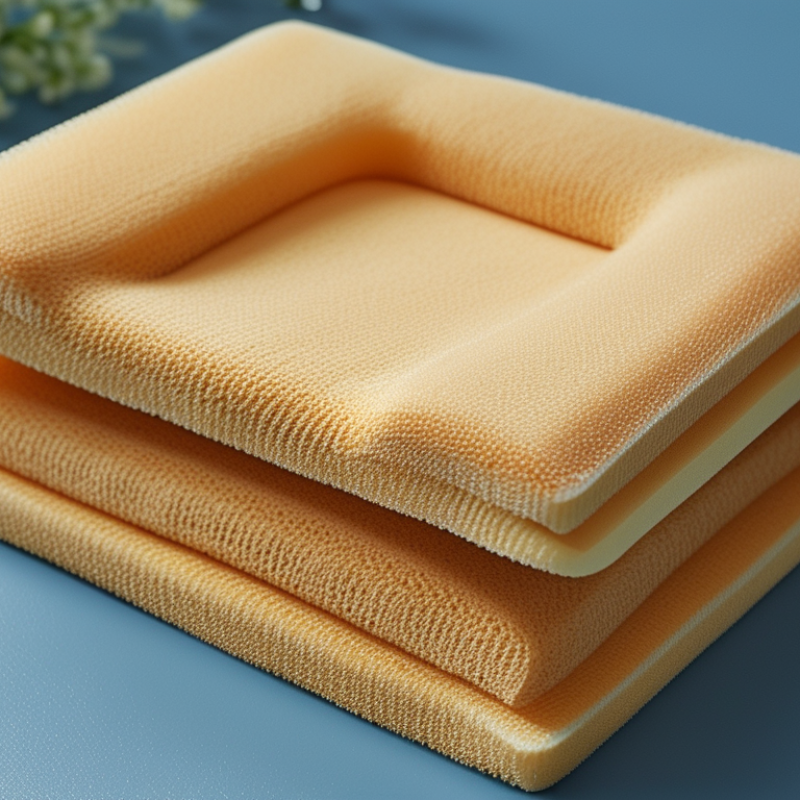
How Often Should You Replace Your Medical Seat Cushion?

Factors Influencing the Lifespan of Medical Seat Cushions

When considering the lifespan of medical seat cushions, several factors come into play. User weight is a significant determinant. A report from the National Institute for Occupational Safety and Health indicates that heavier individuals may compress cushions more quickly. This leads to a reduction in support and adaptation to body shape, necessitating earlier replacement.

Material quality is another critical factor. Cushions made from high-density foam tend to last longer than those made from lower-grade materials. A study published in the Journal of Rehabilitation Research found that high-density cushions can retain their shape over time, providing better overall support.

Environmental conditions also influence durability. Cushions exposed to heat and moisture tend to degrade more quickly.

Finally, the frequency of use should not be overlooked. Medical seat cushions in daily use may require replacement every 6 to 12 months, as recommended by ergonomics experts. Users need to proactively assess wear and tear. Regular inspection for flattening or loss of resilience is essential. The need for reflection on how often to replace your cushion may vary widely based on these factors.

Signs That Indicate a Need for Replacement

When it comes to medical seat cushions, recognizing the right time for replacement is crucial. Experts recommend replacing cushions every one to three years, depending on usage. A study published by the National Institute of Health indicates that 30% of users experience discomfort with old cushions, leading to increased pressure sores. Signs of wear typically include visible tears or deformities in the padding. If the cushion feels less supportive, it may need to be replaced.

Another clear indicator is the development of persistent pain. According to a survey conducted by the American Physical Therapy Association, over 40% of users report chronic discomfort when their cushions exceed their optimal lifespan. Monitor for staining or odors; these can signal hygiene issues. A worn-down cushion compromises not only comfort but also health.

Tip: Regularly check your cushion for wear and changes in shape. If it no longer supports you adequately, it’s likely time for an upgrade.

Consider keeping a diary of comfort levels related to your cushion. This helps track when changes occur. Take note of your body's signals. Remember, timely replacement can prevent serious health risks.

Recommended Replacement Frequency for Different Cushion Types

When it comes to medical seat cushions, the type you choose directly affects how often replacement is needed. For foam cushions, experts suggest replacing them every 6 to 12 months. Over time, foam can compress and lose its supportive qualities. Gel cushions, known for their pressure-relieving benefits, typically last about 1 to 2 years but may need replacement earlier if any leaks occur. Air-filled cushions can last even longer—up to 3 years—provided they remain intact and properly inflated.

Tips: Regularly inspect your cushion for signs of wear. Check for cracks or tears, as these can reduce effectiveness. Clean your cushions frequently to maintain hygiene. Proper care can extend their lifespan significantly.

Patients with specific medical conditions might require more frequent replacements. Research indicates that individuals with limited mobility may find their cushions degrade faster. It’s essential to listen to your body. If you start experiencing discomfort, it may be time to reassess your cushion's condition. Your health depends on adequate support.

How Often Should You Replace Your Medical Seat Cushion?

Maintenance Tips to Extend the Life of Your Seat Cushion

When using a medical seat cushion, maintenance is crucial for longevity. Studies show that proper care can extend its lifespan by up to 30%. Regular cleaning is essential. Most cushions can be wiped down with mild soap and water. Some require more specific cleaning techniques. Understanding your cushion’s material helps. For instance, memory foam may need gentle handling to avoid damage.

Here are some tips to maintain your cushion:

  • Avoid direct sunlight. UV rays can degrade materials over time.
  • Check for wear and tears regularly. Early detection prevents further damage.
  • Store cushions in a cool, dry place when not in use. Heat and moisture can compromise their integrity.

Over time, your medical seat cushion may lose its efficacy. Signs like flattening or discomfort indicate it’s time for a replacement. Listening to your body is vital. Remember, a well-maintained cushion not only offers comfort but also supports your overall health.

Choosing the Right Replacement Cushion for Your Needs

When considering a replacement medical seat cushion, focus on comfort and support. Different needs require different types of cushions. Individuals with chronic back pain might benefit from firmer options that improve posture. Others may prefer softer materials that relieve pressure on sensitive areas.

The choice of material also matters. Gel cushions provide excellent temperature regulation. Foam cushions offer a classic feel, molding to your body shape. Air-filled options can be easily adjusted for firmness. Always evaluate the durability and ease of cleaning, as hygiene is essential.

Don’t overlook your specific situation. Regularly reassess how your cushion feels during use. If discomfort arises, it might indicate it's time for a change. Listening to your body is crucial. Your ideal cushion today may not suit you in six months. Stay aware of your needs and be ready to adapt.

FAQS

: What factors affect the lifespan of medical seat cushions?

: User weight, material quality, environmental conditions, and frequency of use all play significant roles.

How does user weight influence the cushion lifespan?

Heavier users compress cushions more, leading to quicker wear. This often necessitates earlier replacements.

What type of material lasts longer for seat cushions?

High-density foam cushions generally provide better support and last longer than lower-grade materials.

How often should foam cushions be replaced?

Experts recommend replacing foam cushions every 6 to 12 months due to potential compression and loss of support.

When should gel cushions be replaced?

Gel cushions usually last 1 to 2 years but should be replaced earlier if leaks occur.

How long can air-filled cushions last if maintained properly?

Air-filled cushions can last up to 3 years with proper inflation and intact surfaces.

What signs indicate a cushion needs replacing?

Look for flattening, loss of resilience, cracks, or tears as indicators for replacement.

How does medical condition affect cushion replacement frequency?

Individuals with limited mobility may need replacements more often due to faster degradation of cushions.

Why is regular inspection of cushions important?

Regular checks help identify wear and ensure adequate support for comfort and health.

What should you do if you feel discomfort from your cushion?

If discomfort occurs, it may indicate the need for a reassessment or replacement of your cushion.

Conclusion

When considering how often you should replace a medical seat cushion, several factors come into play, including the material quality, frequency of use, and the specific needs of the user. It's essential to recognize signs that indicate a need for replacement, such as visible wear and tear, loss of support, or changes in comfort level. Depending on the type of cushion—whether it's foam, gel, or air—the recommended replacement frequency can vary significantly.

To extend the life of your seat cushion, regular maintenance is key; this includes proper cleaning and storage. Additionally, choosing the right replacement cushion tailored to your needs will enhance comfort and support, contributing to overall well-being. Ultimately, regular evaluation of your cushion's condition will help you determine the appropriate timing for replacement.

Sophia

Sophia

Sophia is a dedicated marketing professional with an exceptional depth of knowledge about her company's products and services. With a keen understanding of market trends and customer needs, she crafts insightful blog posts that not only inform but also engage readers, enriching the company’s online......