Preventing bedsores in bedridden patients is a crucial aspect of patient care. Bedsores, or pressure ulcers, can lead to severe complications and prolonged discomfort. Understanding how to prevent bedsores in bedridden patients is essential for caregivers and healthcare professionals alike. An effective prevention strategy requires a combination of proper positioning, skin care, and nutrition.
Incorporating frequent position changes can significantly reduce pressure on vulnerable areas of the body. It’s important to use cushions or specialized mattresses to enhance comfort. Regular skin assessments play a pivotal role in early detection. Even small changes can indicate a deeper issue. Additionally, nourishing a patient’s body from within supports overall health. Proper hydration and a balanced diet bolster skin integrity.
Reflecting on these strategies can be empowering. Each caregiver has unique insights that can enhance their preventive measures. However, it is vital to continually evaluate effectiveness and adjust as necessary. This evolving approach ensures that bedridden patients receive the best possible care while minimizing their risk of developing bedsores.
Understanding Bedsores: Causes and Risk Factors in Bedridden Patients
Bedsores, also known as pressure ulcers, are a serious concern for bedridden patients. They occur when pressure cuts off blood flow to the skin. This can lead to skin damage and infections. Patients who have limited mobility are at the highest risk. Factors such as insufficient nutrition, moisture, and friction can exacerbate these issues.
One effective way to address bedsores is repositioning. Regularly changing the patient’s position can relieve pressure on vulnerable areas. Aim to shift positions every two hours if possible. Even small movements can be beneficial.
Another important factor is maintaining skin hygiene. Keep the skin clean and dry to prevent breakdown. Moisturizers can help maintain skin integrity. It’s essential to avoid harsh soaps that may dry out the skin.
Nutritional support is vital as well. A balanced diet rich in proteins, vitamins, and minerals promotes skin health. Encourage hydration to keep the skin supple. Additionally, patient education on recognizing early signs of bedsores can aid prevention. Always be attentive to areas where bones are close to the skin. Early intervention can make a significant difference in managing this condition.
Regular Position Changes: Importance and Techniques for Patients
Regular position changes play a critical role in preventing bedsores in bedridden patients. According to a study by the National Pressure Injury Advisory Panel, 95% of bedsores occur due to prolonged pressure on the skin. These injuries can lead to severe complications, including infections and extended hospital stays. It is essential to understand that changing a patient's position every two hours can significantly reduce this risk.
Techniques for changing positions include lateral and supine positions. Using pillows and cushions can help redistribute pressure. A caregiver can create a schedule to ensure timely position changes. For instance, a patient may be turned from side to side every two hours during the day and every three hours at night. Despite this, many caregivers report challenges in maintaining these intervals due to busy schedules or patient discomfort.
The impact of effective repositioning is notable. Research indicates that thorough repositioning can result in a 25% reduction in bedsores within a month. It's a reminder that while challenges exist, the benefits of regular position changes far outweigh the difficulties. Training staff on the importance of these strategies remains a crucial element in patient care.
Skin Care Regimens: Best Practices to Maintain Skin Integrity
Maintaining skin integrity is crucial for bedridden patients. Regular skin care regimens can significantly reduce the risk of bedsores. Gentle cleansing with mild soap helps remove sweat and impurities. Pat the skin dry with a soft towel to avoid irritation. Every patient is unique, so tailor these routines to individual needs.
Moisturizing is key to preserving skin health. Using a suitable lotion can prevent dryness and cracking. However, over-moisturizing can lead to maceration. Observing the skin for redness or any signs of pressure damage is essential. Immediate action can prevent complications. Some caregivers may overlook this step, but attentive monitoring is vital.
Position changing should occur every two hours. This simple act distributes pressure and improves circulation. Encourage patients to shift positions if they can. Speak to patients and engage them in their care. This approach fosters dignity and awareness. Not every strategy works for every individual, so remain flexible and adjust methods as needed. Prioritizing skin care has lasting benefits, yet challenges remain. Caregivers must continuously improve their techniques and learn from experiences.
Top 10 Effective Strategies to Prevent Bedsores in Bedridden Patients
| Strategy |
Description |
Frequency |
Effectiveness Rating |
| Position Changes |
Change the patient's position every 2 hours to relieve pressure. |
Every 2 hours |
9/10 |
| Skin Assessment |
Regularly check skin condition for signs of breakdown. |
Daily |
8/10 |
| Moisturizing |
Apply moisturizer to keep skin hydrated and elastic. |
Twice daily |
7/10 |
| Use of Support Surfaces |
Utilize specialized mattresses and cushions to redistribute pressure. |
Ongoing |
10/10 |
| Nutrition |
Ensure adequate protein and calorie intake to support skin health. |
Daily |
9/10 |
| Hydration |
Maintain proper hydration to support skin integrity. |
Daily |
8/10 |
| Education |
Educate caregivers on preventative measures for pressure ulcers. |
As needed |
8/10 |
| Proper Hygiene |
Keep skin clean and dry to reduce risk of infection. |
Daily |
9/10 |
| Regular Medical Check-ups |
Frequent assessments by healthcare professionals to monitor risk. |
Monthly |
8/10 |
Nutrition and Hydration: Their Role in Preventing Bedsores
Nutrition and hydration play crucial roles in preventing bedsores in bedridden patients. A well-balanced diet rich in protein, vitamins, and minerals can promote skin health. Proteins help in tissue repair and regeneration. Key vitamins, especially vitamin C and zinc, support collagen production. Hydration is equally important. Dehydrated skin can become fragile and more susceptible to injury.
Patients should consume a variety of foods, including fruits, vegetables, whole grains, and lean proteins. Proper hydration needs should not be overlooked. Encourage patients to drink sufficient fluids throughout the day, aiming for clear urine as a sign of good hydration. Caregivers must observe any signs of discomfort or dryness. Assessing a patient’s nutrition regularly is vital. Inadequate intake often leads to complications.
Focusing on diet and hydration can be a challenge. Some patients may refuse food or have difficulties swallowing. Identifying these issues early is crucial. Adjusting food textures can help. Regular monitoring and open communication with healthcare professionals can provide insights into nutritional needs. Encourage family members to be involved in meal planning. Their support can make a significant difference.
Utilizing Specialized Equipment: Beds and Cushions for Pressure Relief
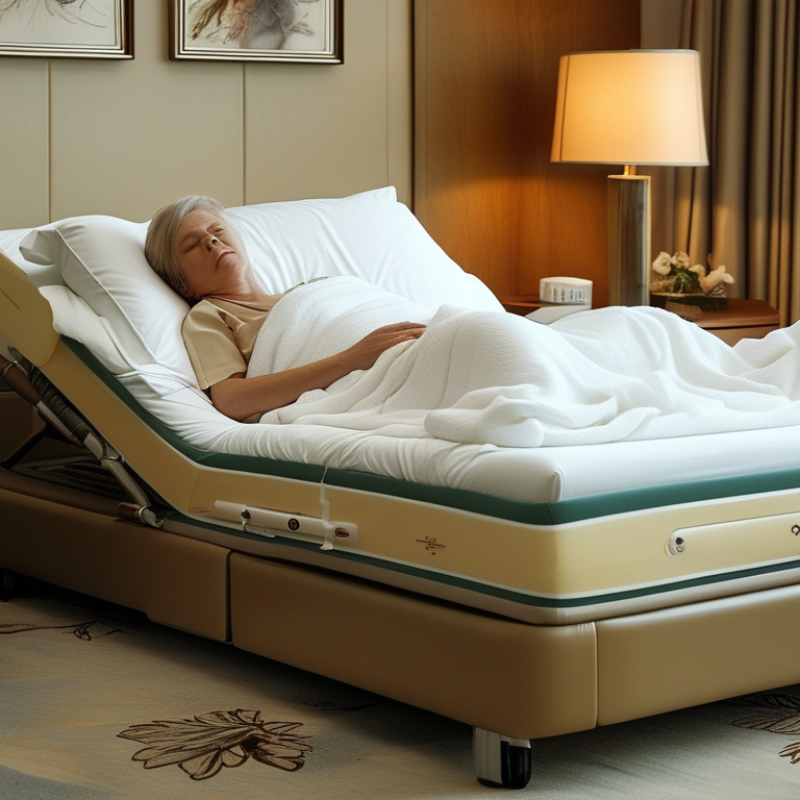
Preventing bedsores in bedridden patients is crucial for their overall health. Specialized equipment, such as pressure-relieving beds and cushions, plays a significant role. These products are designed to redistribute body weight and minimize pressure on vulnerable areas. A memory foam mattress can conform to the body’s shape, alleviating stress points effectively. Patients often require different types, depending on their comfort needs and level of mobility.
Cushions designed for wheelchair users or those who spend a lot of time sitting can provide essential support. Gel-infused cushions are particularly beneficial, as they help dissipate heat and reduce friction. Utilizing these specialized tools does require investment and ongoing assessment. Not all equipment works for every patient. The effectiveness of these tools depends on individual conditions and preferences.
Regular monitoring and adjustments are essential. Healthcare professionals must evaluate how well a patient responds to the equipment used. Some may find certain beds uncomfortable or not supportive enough. Feedback from patients is invaluable. Understanding their experiences can lead to better choices and improved outcomes.
Top 10 Effective Strategies to Prevent Bedsores in Bedridden Patients
FAQS
: Bedsores occur when pressure cuts off blood flow to the skin. This can lead to skin damage and infections.
Patients with limited mobility are at the highest risk for developing bedsores.
Regularly changing a patient's position can relieve pressure on vulnerable areas. It's best to shift positions every two hours.
Maintaining skin hygiene is crucial. Keeping the skin clean and dry can help prevent breakdown and infections.
A balanced diet rich in proteins and vitamins promotes skin health and aids in tissue repair. Hydration is equally important.
Caregivers should watch for signs of discomfort or dry skin, as these can indicate potential issues.
Adjusting food textures may help if patients refuse food or have swallowing difficulties.
Proper hydration keeps skin supple and less prone to injury. Aim for clear urine to indicate good hydration.
Family members can help with meal planning and support the patient's nutritional needs. Communication is key.
It can be challenging if patients refuse food or struggle with eating. Early identification of these issues is crucial.
Conclusion
Bedsores, also known as pressure ulcers, are a significant concern for bedridden patients, caused by prolonged pressure on the skin, leading to tissue damage. To effectively address how to prevent bedsores in bedridden patients, it is essential to understand the underlying causes and risk factors, such as immobility and poor nutrition. Regular position changes are crucial; shifting a patient's position every two hours can alleviate pressure and enhance blood circulation.
Additionally, maintaining a rigorous skin care regimen protects the skin's integrity, emphasizing the importance of cleanliness and moisture control. Adequate nutrition and hydration are vital, as they empower the body to repair itself and maintain healthy skin. Finally, utilizing specialized equipment like pressure-relieving beds and cushions can significantly reduce the risk of developing bedsores, providing extra support where it is needed most. By integrating these strategies, caregivers can enhance the well-being of bedridden patients and prevent the onset of bedsores.

 Ospiel Medical