How to Clean and Maintain Medical Grade Cushions Effectively?

Time:2026-04-29 Author:Isabella
0%

Cleaning and maintaining medical grade cushions is essential for healthcare environments. These cushions are designed to support patients and reduce pressure injuries. According to a report by the National Pressure Injury Advisory Panel, nearly 2.5 million patients develop pressure ulcers each year in the United States. Therefore, proper care of these cushions is crucial.

To understand how to clean and maintain medical grade cushions, one must consider the materials used. Many cushions are made from foam, gel, or air-filled components. Each type requires specific cleaning agents to avoid deterioration. Research shows that disinfecting cushions can significantly lower infection rates in clinical settings. Yet, many healthcare providers underestimate the impact of neglecting this maintenance.

It's important to acknowledge that not all cleaning methods are effective. A survey indicated that 40% of healthcare staff reported using inappropriate cleaning solutions for medical cushions. This inconsistency can lead to persistent odors and deteriorating materials. Thus, understanding how to clean and maintain medical grade cushions properly is not just a preference; it is a necessity for ensuring patient safety and comfort.
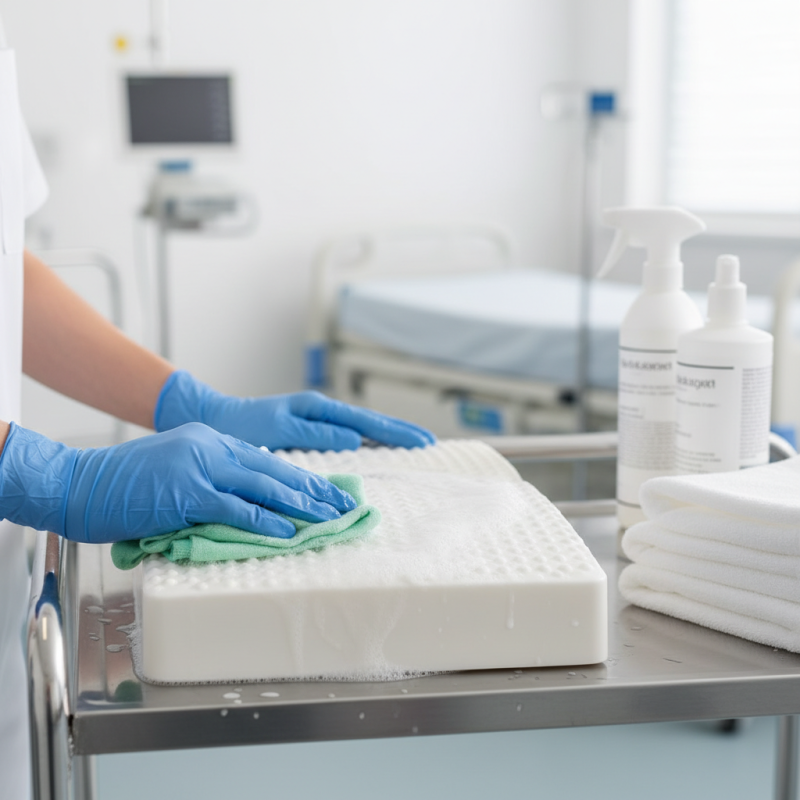
How to Clean and Maintain Medical Grade Cushions Effectively?

Understanding Medical Grade Cushions and Their Importance

Medical grade cushions are essential in providing comfort and support for individuals with specific health needs. They are designed to alleviate pressure sores and enhance mobility. Understanding their importance is key for caregivers and users alike. Proper maintenance can significantly prolong their lifespan and effectiveness.

Cleaning medical grade cushions is crucial. Gently wipe the surface with a damp cloth and mild soap. Avoid harsh chemicals that could degrade the material. Allow them to air dry completely before use. This simple practice helps in maintaining hygiene.

Tip: Regularly check for wear and tear. Look for cracks or splits in the fabric. If any damage is found, consider replacing the cushion to ensure safety and comfort. Another tip is to rotate cushions periodically. This can help in even wear and enhance durability. Remember, cushions that serve a vital function in care require respect and diligence in maintenance.

Cleaning and Maintenance Frequency of Medical Grade Cushions

Essential Tools and Materials for Cleaning Medical Grade Cushions

Cleaning medical grade cushions is essential for hygiene and longevity. To begin, gather the right tools and materials. You will need soft cleaning cloths, mild detergent, and a vacuum cleaner with upholstery attachments. An eco-friendly disinfectant spray is also helpful, especially for eliminating germs.

When cleaning, use a vacuum to remove dust and debris. Focus on seams and corners. After vacuuming, dampen a cloth with mild detergent mixed with water. Wipe the cushion gently, avoiding excessive moisture. It's crucial to rinse the cloth regularly to prevent spreading dirt. Disinfect with the spray, ensuring to follow the manufacturer’s instructions.

Sometimes, stubborn stains can remain. In such cases, consider repeating the process or using specific stain removers recommended for medical fabrics. Over time, cushions may show wear. Regular maintenance will help, but some signs of aging may not be avoidable. Always assess the condition of your cushions; replacing them when necessary is a part of effective maintenance.

Step-by-Step Cleaning Process for Medical Grade Cushions

Cleaning medical grade cushions is essential for hygiene and durability. Start by gathering necessary supplies like mild detergent, water, and a soft cloth. Test the cleaning solution on a small, inconspicuous area first. This ensures it won't damage the material.

Begin the cleaning process by removing any covers, if possible. Wash the covers separately according to the manufacturer's instructions. For the cushion itself, use a damp cloth with the cleaning solution. Gently wipe the surface, paying special attention to any stains. Rinse the cloth and wipe again with clean water. Air dry the cushion completely before using it again.

Regular maintenance is also crucial. Inspect the cushions regularly for wear and tear. Replace any damaged parts to maintain their effectiveness. Consider scheduling a deep clean every few months, as this can help prevent buildup of odors and bacteria. A proactive approach will not only extend the life of your cushions but also ensure a safe environment for all users.

How to Clean and Maintain Medical Grade Cushions Effectively?

Cleaning Step Supplies Needed Frequency Importance
Remove Covers N/A After Each Use High
Wash Covers Mild Detergent, Water Weekly High
Disinfect Foam Disinfectant Spray Bi-weekly Medium
Check for Damage N/A Monthly High
Store Properly Storage Bag As Needed Medium

Preventative Maintenance Tips for Long-lasting Cushion Use

Maintaining medical-grade cushions requires a proactive approach. Regular checks can significantly extend the life of cushions. Look for signs of wear like cracks or discoloration. These wear indicators often hint that the cushion needs replacing. Ideally, inspect the cushions every month.

Cleaning is crucial for functionality and hygiene. Use a damp cloth with mild detergent to wipe the surface. Avoid using harsh chemicals; they can damage the material. Rinse the cloth and wipe again to remove all soap residues. Allow cushions to air dry completely. This prevents mold growth.

Sometimes, cushions need more than just surface cleaning. Consider rotating them regularly. This helps to distribute pressure evenly. Furthermore, keep them away from direct sunlight to avoid fading. If you notice any unusual odors, it might indicate deeper cleaning is needed. Always be cautious when assessing the cushions; your health and comfort depend on them.

Best Practices for Storing Medical Grade Cushions Safely

Storing medical grade cushions requires attention to detail. Proper storage can extend their lifespan and ensure safety. According to research from the National Institute of Health, improper storage can lead to contamination and reduced effectiveness of the cushions. Store cushions in a clean, dry environment away from direct sunlight. High humidity can damage materials and promote mold growth.

When stacking cushions, avoid placing heavy items on top. This could deform the cushions and compromise their support. It’s advisable to use breathable covers to protect against dust while allowing airflow. Regular inspections are crucial. Look for signs of wear or damage and replace cushions as needed.

Tips: Ensure that the storage area is climate-controlled. Temperature extremes can negatively affect cushioning materials. Use labeling systems to keep different types organized. Regular upkeep will save money and improve patient outcomes. A small effort in maintaining cushions can lead to substantial health benefits for users.

FAQS

: What materials do I need for cleaning medical grade cushions?

: You will need soft cleaning cloths, mild detergent, a vacuum cleaner, and an eco-friendly disinfectant spray.

How should I start cleaning the cushions?

Begin by vacuuming dust and debris, focusing on seams and corners for best results.

Can I use any cleaning solution on the cushions?

Test your cleaning solution on a small area first to ensure it won't damage the material.

How often should I check the cushions for wear?

Inspect the cushions every month for signs of wear like cracks or discoloration.

What should I do if stains remain after cleaning?

If stubborn stains persist, consider repeating the cleaning process or using specific stain removers.

How can I maintain my cushions to extend their life?

Regularly clean them, rotate them, and avoid direct sunlight to prevent fading.

Is it safe to use harsh chemicals for cleaning?

Avoid harsh chemicals as they can damage the cushion materials.

What happens if I notice unusual odors?

Unusual odors may indicate a need for deeper cleaning to ensure hygiene.

Should I air dry the cushions after cleaning?

Yes, air drying completely prevents mold growth, which is essential for hygiene.

When should I replace my medical grade cushions?

Replace cushions when you notice significant wear; it's an important part of effective maintenance.

Conclusion

Cleaning and maintaining medical grade cushions is essential for ensuring their longevity and effectiveness. This article explores how to clean and maintain medical grade cushions by first understanding their significance in providing comfort and support. It outlines the essential tools and materials required for proper cleaning and guides readers through a step-by-step cleaning process, emphasizing the importance of using the right techniques.

In addition to cleaning, the article provides preventative maintenance tips that help prolong the life of the cushions, ensuring they remain in optimal condition for use. Best practices for safe storage are also discussed to protect the cushions from damage when not in use. By following these guidelines on how to clean and maintain medical grade cushions effectively, users can ensure their cushions serve their intended purpose for years to come.

Isabella

Isabella

Isabella is a dedicated marketing professional with a sharp focus on driving brand growth and engagement through strategic content creation. With an extensive background in digital marketing, she combines her passion for storytelling with her keen understanding of industry trends to deliver......