Medical grade cushions play a vital role in providing comfort and support for patients. However, maintaining them properly is crucial for their longevity and effectiveness. Dr. Emily Carter, an expert in medical devices, emphasizes, "Proper care of medical cushions ensures both safety and comfort for patients." Understanding how to clean and maintain medical grade cushions can prevent issues such as cross-contamination and decay of materials.
These cushions are often used in high-risk environments, making their upkeep essential. Regular cleaning and maintenance reduce the risk of infections. Specific materials require tailored cleaning solutions, making it important to follow manufacturer's guidelines. Ignoring these can lead to significant problems, including shortened lifespan of the product.
Investing time in proper care reflects a commitment to health standards. It is not just about aesthetics; it affects patient well-being directly. Learning how to clean and maintain medical grade cushions effectively is not just a task but a necessary practice that benefits everyone involved. Engaging in routine checks fosters a better environment for healing.
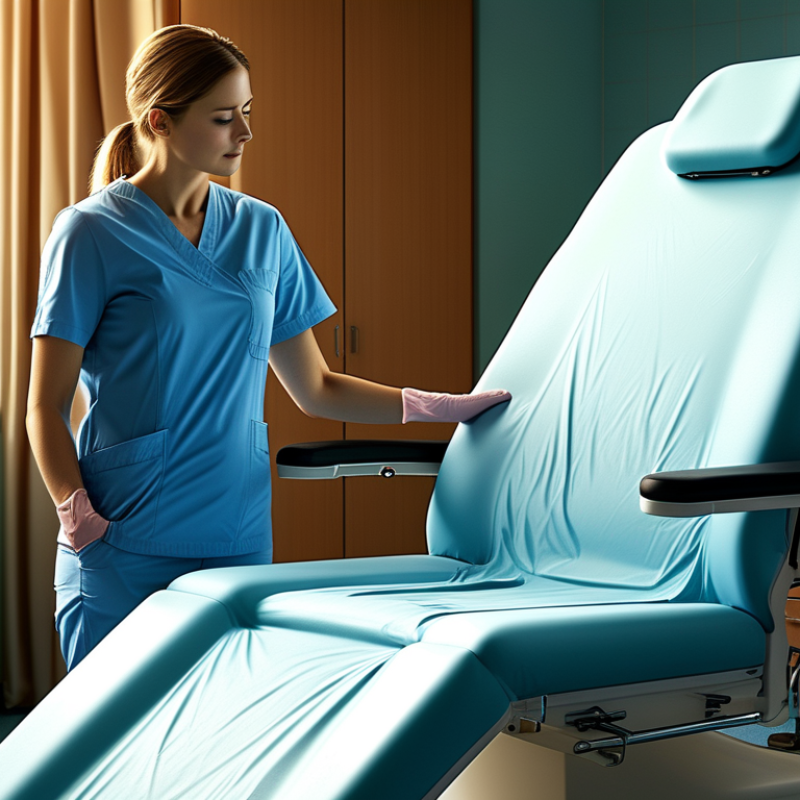
Medical grade cushions are essential for individuals requiring long-term care. They help prevent pressure ulcers, which can affect up to 20% of patients with limited mobility. Understanding their importance is vital for both caregivers and healthcare professionals. Poor knowledge of how these cushions function can lead to health risks.
These cushions are designed to provide adequate support and distribute body weight evenly. A study by the National Pressure Ulcer Advisory Panel indicated that using the right cushion reduces the incidence of pressure injuries significantly. Additionally, materials used in medical grade cushions often include high-density foam or gel, both of which contribute to enhanced comfort and support.
Maintenance of these cushions is crucial for their effectiveness. Regular cleaning prevents bacteria accumulation, which can lead to infections. It's not always easy to clean these cushions properly, as some materials can be sensitive to harsh chemicals. Finding the right balance between cleanliness and cushion integrity can be challenging. Proper training on maintenance procedures can help caregivers avoid mistakes that could compromise the cushion's functionality.
: Medical grade cushions support individuals needing long-term care. They help prevent pressure ulcers.
They reduce the risk of pressure injuries, particularly for patients with limited mobility.
They distribute body weight evenly and provide adequate support. The right cushion significantly decreases pressure injuries.
Common materials include high-density foam and gel. These enhance comfort and support.
Proper maintenance prevents bacteria buildup and infections. Regular cleaning is essential to their effectiveness.
Use a soft brush, microfiber cloths, and a suitable gentle cleaner. These tools help without damaging the cushion.
Place them in a well-ventilated area. Avoid direct sunlight to prevent material degradation.
Store in a cool, dry place with breathable covers. Inspect cushions regularly for damage.
Yes, harsh chemicals can damage cushions. Always choose mild, eco-friendly options.
Replace them promptly if they show signs of deterioration. Minor issues can lead to bigger problems if ignored.
When it comes to understanding how to clean and maintain medical grade cushions, it's essential to recognize their role in providing comfort and preventing pressure sores in patients. These specialized cushions require regular attention to ensure their effectiveness and longevity. The cleaning process begins with gathering the necessary tools and supplies, followed by a thorough step-by-step cleaning approach, which includes appropriate cleaning agents and techniques tailored for medical-grade materials.
After cleaning, it is crucial to follow best practices for drying and storing the cushions to prevent any damage or deterioration. Regular maintenance tips such as routine inspections and timely repairs can significantly prolong the life of these cushions. By understanding these aspects of care, healthcare providers can maintain a hygienic and safe environment for patients, ensuring their well-being and comfort.

 Ospiel Medical