When considering pain relief options, many individuals wonder, "what is the difference between infrared therapy and heating pads?" Both methods are popular for treating muscle aches, joint pain, and improving circulation. Infrared therapy uses infrared light to penetrate deep into tissues, promoting healing at the cellular level. In contrast, heating pads provide surface heat that can also alleviate pain but may not penetrate as deeply.
According to a report from the American Institute for Cancer Research, infrared therapy has been shown to reduce inflammation and enhance tissue repair, making it a desirable option for chronic pain management. However, heating pads remain widely used due to their accessibility and immediate effects. A survey conducted by the National Pain Foundation highlighted that nearly 70% of patients preferred heating pads for their convenience and ease of use.
It is important to note that individual responses to these therapies can vary. Some people may find infrared therapy more effective, while others may prefer the simplicity of heating pads. Ultimately, understanding the science behind these methods can guide users in making informed choices about their pain relief strategies.
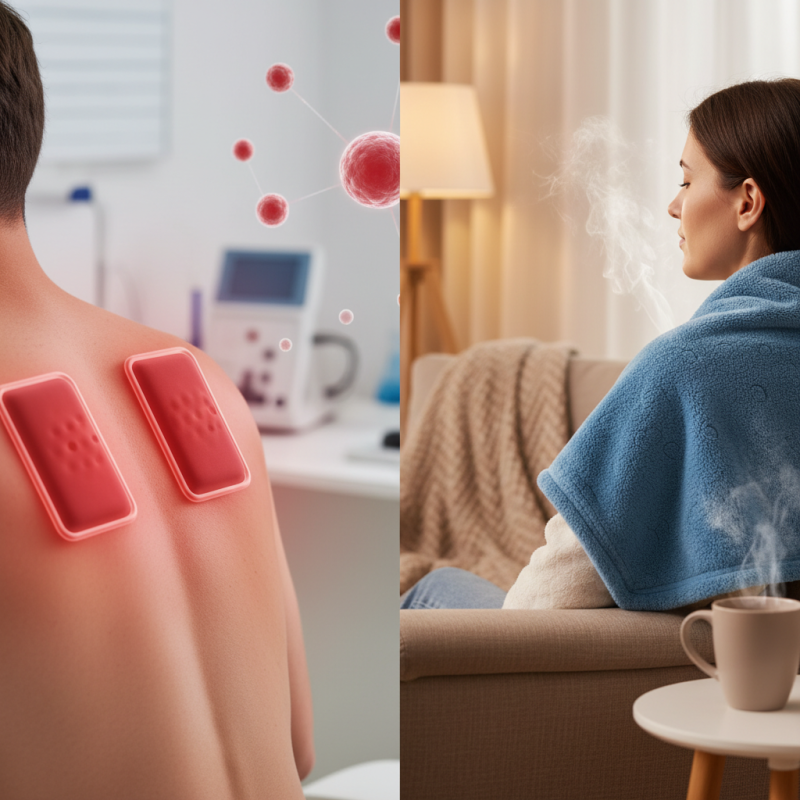
Understanding Infrared Therapy: Benefits and Mechanisms
Infrared therapy offers a unique approach to pain relief and wellness. Unlike traditional heating pads, infrared therapy uses specific wavelengths of light to penetrate deeper into the skin. This can lead to enhanced blood circulation and improved cellular function. The warmth from infrared can help relax muscles and reduce inflammation, making it a valuable option for chronic pain sufferers.
One notable characteristic of infrared therapy is its ability to target specific areas effectively. Patients often report feeling relief in hard-to-reach spots. However, the accessibility of infrared devices may vary. Not everyone has access to specialized machines, which can complicate regular use.
In contrast, heating pads are more widely available and can be used almost anywhere. They provide immediate warmth and comfort. Yet, their effectiveness may be limited to the surface level of the skin. Often, individuals may wonder which method suits them best. Both approaches have their merits and drawbacks. Understanding personal needs is essential when navigating these options.
Heating Pads: Types, Usage, and Advantages
Heating pads have gained popularity for their therapeutic benefits. They are designed to provide relief from muscle pain, tension, and stress. There are several types of heating pads available today, including electric, microwavable, and those filled with natural materials. Each type has unique advantages depending on the context in which it is used.
Electric heating pads offer constant heat for an extended period. They are easily adjustable, allowing users to select a comfortable temperature. Microwavable pads are portable and can retain heat for a shorter duration, making them ideal for localized treatment. Those filled with materials like rice or flaxseed offer the added benefit of natural warmth. According to a 2023 report from the American Physical Therapy Association, nearly 65% of patients find heating pads effective in managing chronic pain conditions.
Using heating pads can be straightforward. Place the pad on the affected area for 15 to 30 minutes for optimal relief. Always check the temperature to avoid burns. Take breaks if using for extended periods. For users with sensitive skin or chronic conditions, consult a healthcare provider before use.
Remember, while heating pads are beneficial, they are not a one-size-fits-all solution. They may not be suitable for everyone, including individuals with certain medical conditions. Listening to your body is key. If discomfort occurs, stop use immediately. Consider integrating other therapies for a balanced approach.
Comparison of Infrared Therapy and Heating Pads
This chart compares the effectiveness of Infrared Therapy and Heating Pads across different aspects such as Pain Relief, Circulation Improvement, Muscle Relaxation, Deep Tissue Penetration, and Ease of Use. Infrared Therapy demonstrates higher effectiveness in most categories, particularly in Muscle Relaxation and Deep Tissue Penetration, while Heating Pads excel in Ease of Use.
Comparative Analysis: Infrared Therapy vs. Heating Pads
Infrared therapy and heating pads are two popular options for pain relief and muscle relaxation. A comparative analysis reveals distinct differences in their mechanisms and effectiveness. Infrared therapy uses light waves to generate heat deep within the tissues. This method improves blood circulation and promotes healing by delivering energy directly to the affected area. A study published in the Journal of Bodywork and Movement Therapies found that infrared therapy can lead to a 20% reduction in pain levels over several sessions.
In contrast, heating pads provide external heat that soothes muscles and alleviates discomfort. They primarily work at a superficial level, providing immediate warmth to the skin and underlying muscles. According to a recent report from the National Institutes of Health, heating pads can be effective for short-term relief but may not address chronic pain as effectively as infrared therapy. Users should consider the depth of treatment needed based on their specific conditions.
While infrared therapy shows promising results for deeper tissue issues, not everyone may experience the same benefits. Some individuals report little to no relief after multiple applications. Heating pads, while generally more accessible, require careful monitoring of temperature to avoid burns. Both options have their merits and limitations, and personal experiences may vary significantly.
Factors to Consider When Choosing Between Options
Choosing between infrared therapy and heating pads involves several important factors. Both options provide heat for pain relief, yet they work differently.
Infrared therapy penetrates deeper into tissues, promoting increased circulation and faster healing. A study in the Journal of Photochemistry demonstrates that infrared heat can increase blood flow by 40%. This makes it particularly beneficial for chronic pain conditions.
On the other hand, traditional heating pads offer surface heat that is effective for immediate relief. They can be a more straightforward choice for muscle soreness or stiffness. According to the American Physical Therapy Association, many patients report a significant decrease in pain with consistent heating pad usage, especially post-exercise. However, care must be taken with prolonged use to avoid burns, as excessive heat can lead to skin damage.
When choosing between them, consider the specific condition being treated. Infrared therapy may be ideal for deeper tissue issues, while heating pads can be sufficient for surface-level discomfort. Ultimately, the decision hinges on individual needs and circumstances. Personal experiences with each option can vary widely, prompting users to reflect on their outcomes and preferences.
Safety and Precautions for Infrared Therapy and Heating Pads
When considering infrared therapy and heating pads, safety is crucial. Infrared therapy typically uses specific wavelengths of light to penetrate the skin. Research indicates that it can promote healing and reduce inflammation. However, improper use may lead to burns or overheating. Adjusting settings based on individual sensitivity is essential. A study revealed that 15% of users experienced mild skin irritation after prolonged exposure. Monitoring skin conditions is vital during therapy sessions.
Heating pads, on the other hand, are more traditional. They provide immediate warmth, which can also soothe muscle tension. Experts recommend limiting usage to 20-30 minutes to prevent skin damage. The American Academy of Family Physicians reports that around 8% of users encounter adverse reactions, such as burns or rashes, especially those with sensitive skin. Additionally, using a heating pad while sleeping can increase this risk. Ensuring the pad is on a low setting can help.
Both therapies require caution and awareness of personal health conditions. Infrared therapy may not be suitable for individuals with certain medical conditions. Pregnant women, for example, should consult a doctor before use. Similarly, those with circulatory issues should take precautions with heating pads. Overall, being informed and attentive can help mitigate risks associated with both therapies.
Conclusion
When considering pain relief and muscle relaxation, many individuals ponder what is the difference between infrared therapy and heating pads. Infrared therapy utilizes specific wavelengths of light to penetrate the skin, promoting healing by increasing blood flow and reducing inflammation. Its benefits include deeper penetration and targeted relief, making it suitable for chronic conditions. In contrast, traditional heating pads provide surface heat, offering immediate comfort for muscle tension and stiffness.
When choosing between these options, it is essential to consider usage patterns, specific health needs, and any safety precautions associated with each method. Understanding the type of relief required for your condition can help guide your choice, whether you prefer the deeper benefits of infrared therapy or the straightforward approach of heating pads. Always prioritize safety and your specific health conditions before making a decision.

 Ospiel Medical