When considering the best materials for back support, many consumers find themselves asking: why use memory foam vs gel for back support? According to a 2021 report from the National Sleep Foundation, about 80% of adults experience back pain at some point in their lives. This statistic highlights the need for effective solutions to enhance comfort and support during rest.
Memory foam and gel have both gained popularity in providing relief. Memory foam contours to the body, distributing weight evenly and reducing pressure points. In contrast, gel-infused products excel at temperature regulation, keeping users cool throughout the night. A study published in the Journal of Orthopedic Research indicated that foam products can lead to a 30% reduction in discomfort for individuals suffering from chronic back pain.
However, choosing between these options can be challenging. Some individuals may find memory foam too soft, lacking the firmness they require. Alternatively, gel often feels cooler but may not provide enough cushioning for some. Exploring these factors is vital to make an informed decision tailored to individual needs for back support.
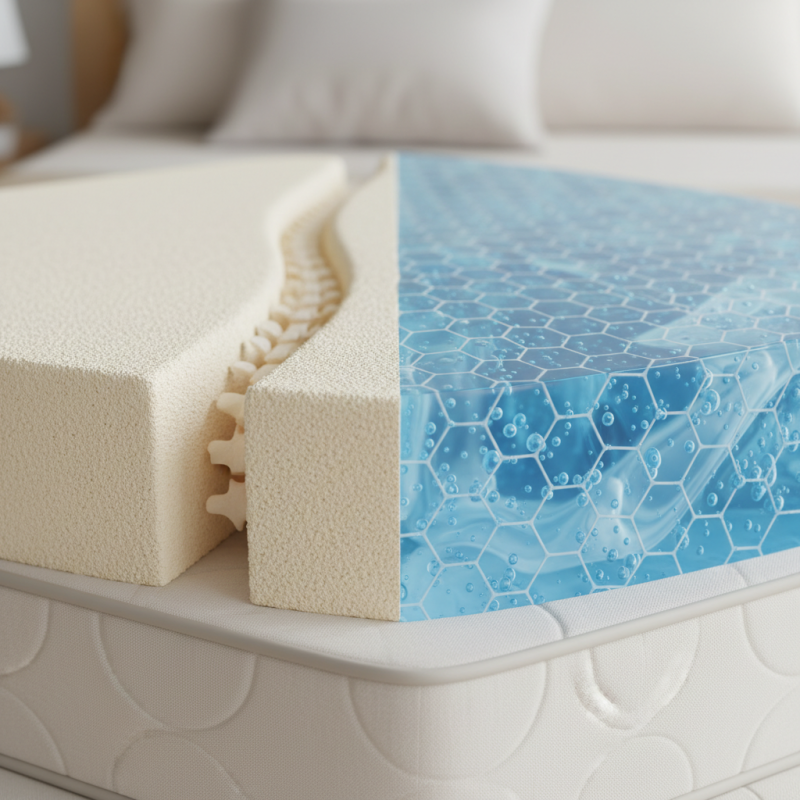
Memory foam has become a popular choice for back support due to its unique properties. The material responds to body heat and weight, providing personalized support. According to a study published by the Journal of Pain Research, 80% of participants experienced reduced discomfort when using memory foam products. This suggests its effectiveness in alleviating back pain.
Additionally, memory foam helps maintain proper spinal alignment. The key is its contouring ability. Unlike traditional mattresses, it cradles the body, distributing weight evenly. The National Sleep Foundation highlights that proper alignment can reduce stress on the spine, promoting healthier sleep patterns. Users often report a significant improvement in sleep quality and reduced morning stiffness.
However, there are challenges. Some people struggle with heat retention in memory foam products. Adequate airflow is essential for comfort. Companies in the industry are developing cooling technologies to address this issue. This reflects ongoing innovation and the need for continuous improvement in sleep solutions. Users should assess their specific needs before making a choice. A personalized approach can lead to enhanced overall well-being.
This chart illustrates the various benefits of using memory foam and gel for back support. The percentages indicate how effective each benefit is considered, providing insight into the advantages of choosing these materials for mattresses and pillows.
Gel technology has gained attention for its ability to enhance back comfort. This innovative material responds to body heat, adapting to individual shapes. It offers a balance between support and softness, providing a unique sleeping experience. As you lie down, gel disperses pressure, reducing the chances of discomfort. This feature is crucial for those who experience back pain.
Research indicates that gel-infused memory foam can lower body temperature. This cooling effect prevents overheating, a common issue with traditional memory foam. Cooler sleep surfaces contribute to longer, more restful nights. A well-rested person is more alert and productive.
Yet, not everyone may find gel technology suitable. Some users report it feels too firm or lacks the plushness they desire. Preferences vary widely among individuals. Therefore, it's essential to consider personal comfort and testing different options before deciding. Understanding and exploring these nuances will help in choosing the best back support for individual needs.
When comparing memory foam and gel for back support, pressure relief is a crucial factor. Memory foam contours to the body's shape, offering excellent responsiveness. It distributes weight evenly, which can minimize pressure points. This adaptability provides strong support for the lower back. Many people find this feature beneficial for those long hours sitting or sleeping.
Gel, on the other hand, is known for its cooling properties. It helps regulate temperature, which can be vital for comfort during sleep. Gel also conforms well to the body but often does not provide the same level of pressure relief as memory foam. Studies suggest that gel tends to retain some resilience, meaning it requires a bit more effort to sink into compared to softer memory foam.
In practice, the effectiveness of these materials can depend on personal preferences. Some people may prefer the hug of memory foam, while others might lean towards gel for its cooling sensation. However, both materials have their strengths and weaknesses. This variation can lead to different experiences in sleep quality and support. Understanding these distinctions can lead to better choices for individual back support needs.
When it comes to back support materials, consumer preferences often lean towards memory foam and gel. These materials have made a significant impact in the industry. Many users appreciate the way memory foam molds to the body. It offers personalized support for various body shapes. This adaptation can alleviate pain and pressure points. Gel, on the other hand, provides a cooling sensation, which is a preferred feature for some. It helps regulate temperature during sleep or prolonged sitting.
Surveys indicate that many people prioritize comfort and support. Users seek proper spinal alignment, especially if they deal with chronic back issues. Trusting the right materials can boost confidence in making a purchase. However, experiences can vary widely. Some feel memory foam can be too dense or retain heat. Others find gel lacking in firm support. Individual needs play a significant role in what works best.
Consumer reviews illustrate a blend of satisfaction and critique. Many users highlight the benefits, yet some express concerns about longevity. Balancing comfort and durability remains a challenge. Understanding personal preferences is crucial in selecting the ideal back support material.
When choosing between memory foam and gel for back support, individual needs play a crucial role. Memory foam is known for its ability to conform to the body’s shape. This adaptability provides personalized support, making it ideal for people with specific back issues. However, it can retain heat, which might not suit everyone. Those who sleep hot may feel uncomfortable on a traditional memory foam surface.
On the other hand, gel-infused options offer a cooler sleeping experience. The cooling properties of gel can prevent overheating during the night, making it suitable for warmer climates or for those who tend to sweat more. However, gel materials may not provide the same level of contouring as memory foam. Thus, it is essential to assess personal comfort levels and sleeping habits.
Selecting the right option requires experimentation. Trying different materials can reveal unexpected preferences. Some might find that a mix of both provides optimal support. Listening to one’s body is key in this process. Everyone’s experience is unique. What works for one may not work for another, and that's perfectly okay.
| Support Type | Pros | Cons | Ideal For |
|---|---|---|---|
| Memory Foam | Contours to the body, excellent pressure relief | May retain heat, initial off-gassing odors | Side sleepers, those with pressure point pain |
| Gel Foam | Better temperature regulation, supportive | Can be less conforming than memory foam | Hot sleepers, those needing firm support |
| Hybrid (Memory Foam & Gel) | Combines best of both worlds, great support and cooling | Can be more expensive, potential for weight issues | Users wanting balance of comfort and support |
| Latex Foam | Durable, eco-friendly, responsive | Heavy, can be expensive | Eco-conscious individuals, those wanting buoyant support |
: Memory foam contours to the body, providing personalized support and reducing discomfort. It maintains proper spinal alignment.
Memory foam offers excellent pressure relief by distributing weight evenly, while gel has cooling properties but less pressure support.
Some people struggle with heat retention, making it uncomfortable for those who sleep hot. Adequate airflow is essential.
Personal comfort levels vary. Some prefer the hugging feel of memory foam; others lean towards the cooling sensation of gel.
Yes, experimenting can reveal unexpected preferences. A mix of both types may provide optimal support for some users.
Assess specific needs, sleep habits, and potential heat retention issues. Individual experiences greatly vary.
When considering "why use memory foam vs gel for back support," it's essential to understand the distinct benefits each material offers. Memory foam is renowned for its ability to conform to the body's contours, providing targeted support and alleviating pressure points, which can lead to improved spinal alignment. Conversely, gel technology enhances back comfort through superior temperature regulation and a unique combination of firmness and softness, allowing for a cooler sleeping experience while still offering support.
Comparative studies have shown that both memory foam and gel can effectively relieve pressure, but individual preferences may vary based on factors such as body type and sleep position. Consumer insights indicate that many prioritize comfort and support, leading experts to recommend choosing between these materials based on personal needs and preferences. Ultimately, understanding these features will help consumers make an informed choice for optimal back support.

Ospiel Medical