Moving a patient from bed to a wheelchair can look simple, yet small mistakes may cause falls, shoulder injuries, or skin damage. This guide explores China top wheelchair transfer aids and practical methods for safer daily transfers. It focuses on how to assist a patient from bed to wheelchair safely, using clear steps, suitable equipment, and respectful communication.
Dr. Rory A. Cooper, a respected wheelchair researcher and rehabilitation engineer, has said, “A wheelchair is not just a device; it is part of the person.” His point matters during every transfer. The wheelchair should support the patient’s posture, movement, and dignity, not simply wait beside the bed. Before moving, check the patient’s strength, balance, pain, footwear, and ability to follow instructions. Lock both wheelchair brakes. Remove or swing away the footrests. Place the chair close to the bed, usually at a slight angle. Keep the floor dry and free from loose rugs.
Explain each step before touching the patient. Use a transfer belt when clinically appropriate. Ask the patient to sit at the bed edge and pause. Watch for dizziness. Encourage the patient to push from the bed, rather than pull on the wheelchair. Pivot slowly, keeping your back straight and your feet stable. A standing aid, transfer board, or powered lift may be safer for someone with limited strength.
Rushing is a common human error. Even experienced caregivers can misjudge fatigue or fear. Never force the movement. Seek guidance from a qualified physiotherapist or occupational therapist when the transfer feels unstable. Good equipment helps, but careful assessment remains essential.
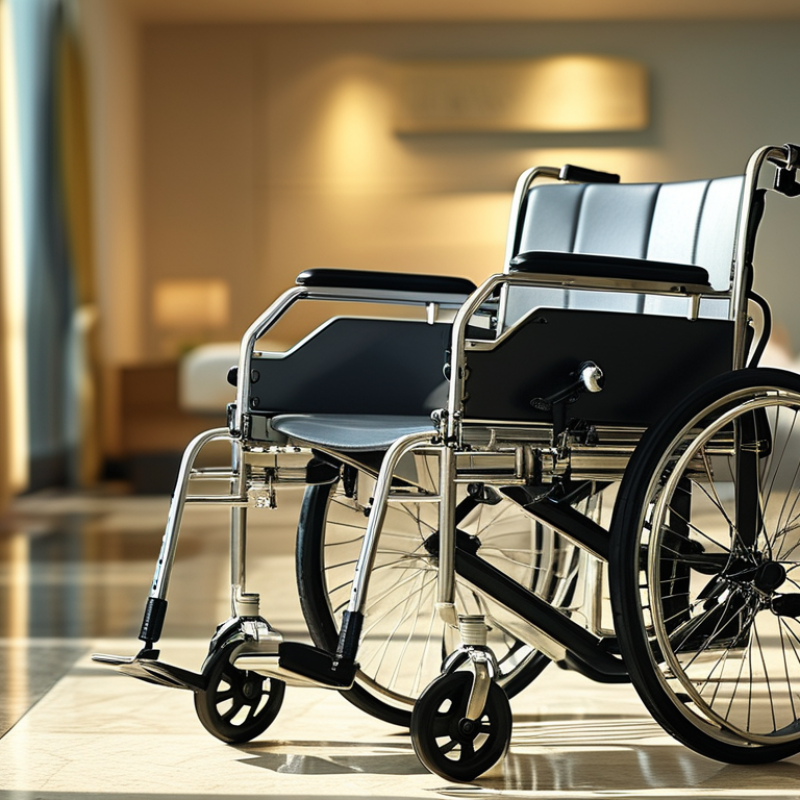
Wheelchair transfer aids help move a person between a wheelchair, bed, toilet, or vehicle. Common options include transfer boards, gait belts, pivot discs, sit-to-stand aids, and mobile hoists. Each device supports a different level of mobility. A transfer board suits someone with upper-body strength and partial leg control. A hoist may be safer when the person cannot stand reliably.
Safe use begins with assessment, not equipment selection. Check weight capacity, posture, balance, skin condition, and communication ability. Lock both wheelchair brakes. Remove footrests when appropriate. Keep the transfer surface close and level. A caregiver should explain each movement before starting.
Never pull the person by the arms or lift alone when their knees buckle. NIOSH identifies patient handling as a major cause of musculoskeletal injuries among care workers. Small errors matter.
The device must match the user’s real environment. A narrow bathroom can make a hoist impractical. A transfer board may slip on a wet floor. Practice with a trained therapist is strongly recommended.
Stop if pain, dizziness, or fear appears. A checklist helps, but it cannot replace judgment. No device fits every home.
China Top Wheelchair Transfer Aids: How to Assist Safely?
Assessing the User, Environment, and Transfer Risks
Safe wheelchair transfers begin with assessment, not equipment selection. Check the user’s strength, balance, pain, cognition, and ability to follow instructions. Ask about dizziness, fatigue, recent surgery, and skin sensitivity. A person may appear stable but still buckle during standing. Do not assume cooperation equals capacity. A trained therapist or qualified caregiver should select the transfer aid and review its use. Follow the device instructions every time.
Inspect the environment before moving. Lock the wheelchair brakes, remove footrests, and clear loose rugs, cords, and clutter. Keep the transfer surfaces close and level when possible. Check lighting, floor moisture, and caregiver footing. Measure doorways and turning space if using a hoist or bulky aid. Transfer risks increase when people rush. If the user reports sharp pain, chest discomfort, or sudden weakness, stop and seek medical help. A near miss deserves review, even without a fall.
Tips: Explain each step in plain language. Count together before movement. Use a gait belt only when trained and appropriate. Never pull the user by the arms or wheelchair handles. Keep your back neutral and avoid twisting. Recheck the brakes after repositioning. Practice with supervision first. Even careful plans can miss one detail, such as a footplate blocking the transfer path. Small details matter.
| Assessment Dimension | What to Check | Lower-Risk Indicator | Warning Sign | Recommended Transfer Aid or Control | Risk Level |
|---|---|---|---|---|---|
| Weight-bearing ability | Can the user stand briefly and support weight through both legs? | The user can follow instructions and maintain a stable partial stand. | The user cannot bear weight, has sudden leg buckling, or is unable to rise. | Use a full-body sling lift or a suitable powered transfer device. Do not manually lift the user. | High |
| Trunk and sitting balance | Can the user sit upright without sliding, leaning, or requiring continuous support? | Stable sitting posture with adequate head and trunk control. | Severe trunk instability, uncontrolled sliding, or inability to maintain head position. | Use a supportive sling, positioning belt where clinically appropriate, and trained assistance. | High |
| Cognition and communication | Can the user understand, remember, and communicate during each transfer step? | The user understands instructions and can report pain, dizziness, or discomfort. | Confusion, impulsive movement, reduced awareness, or inability to communicate reliably. | Explain the procedure before starting, use simple instructions, and increase supervision. Consider a mechanical aid. | Moderate |
| Upper-limb function and grip | Can the user safely use armrests, grab supports, or a transfer board without pulling on the caregiver? | Functional grip and sufficient arm strength for supported pushing or balance. | Weak grip, painful shoulders, restricted arm movement, or a tendency to pull on the caregiver. | Use handles or a transfer aid designed for the user; never allow pulling on the caregiver's neck or shoulders. | Moderate |
| Pain, fatigue, and medical condition | Check pain, dizziness, recent surgery, fractures, skin problems, and fatigue before moving. | No acute symptoms and the user is medically stable for the planned transfer. | New pain, chest discomfort, faintness, breathing difficulty, bleeding, or suspected injury. | Stop the transfer and seek clinical assistance when acute symptoms or injury are suspected. | Critical |
| Wheelchair stability | Check that the wheelchair is suitable, positioned correctly, and in good working condition. | Brakes lock, footrests swing away or are removed, and armrests do not obstruct the transfer. | Unlocked brakes, damaged parts, unstable seating, or insufficient space beside the chair. | Position the chair at an appropriate angle, lock both brakes, and remove or reposition obstacles before transfer. | High |
| Surface and floor condition | Assess floor level, dryness, traction, thresholds, rugs, and nearby obstacles. | Dry, level, uncluttered floor with adequate traction and turning space. | Wet or uneven floor, loose rugs, steep thresholds, clutter, or restricted maneuvering space. | Clear the route, improve lighting, remove loose mats, and use non-slip solutions where appropriate. | Moderate |
| Height and gap between surfaces | Compare the heights of the wheelchair, bed, toilet, and other transfer surfaces. | Surfaces are close in height with a minimal, manageable gap. | Large height difference, deep gap, or an unstable landing surface. | Adjust bed height when possible and use a properly sized transfer board or mechanical aid. | High |
| Transfer distance and direction | Determine whether the move is lateral, pivoting, standing, or floor-to-chair. | Short, predictable route with the user moving toward the stronger side when clinically suitable. | Long reach, twisting, multiple direction changes, or transfer over an open space. | Use a slide board, swivel aid, standing aid, or full-body lift according to the user's abilities and care plan. | Moderate |
| Caregiver capability | Assess training, physical capacity, number of helpers, and familiarity with the equipment. | Trained caregiver follows the equipment instructions and can maintain safe posture. | One caregiver is attempting a heavy or unpredictable transfer without training or assistance. | Use a two-person technique or mechanical equipment when required by the care plan; avoid lifting manually. | High |
| Equipment selection and condition | Check size, weight capacity, sling fit, straps, fasteners, wheels, and manufacturer instructions. | Aid is appropriate for the user, intact, clean, correctly adjusted, and inspected before use. | Overloaded equipment, damaged straps, poor fit, missing parts, or unfamiliar operation. | Do not use defective equipment. Confirm compatibility and complete a pre-use safety check. | High |
| Skin integrity and pressure areas | Check for redness, wounds, fragile skin, pressure injuries, and areas affected by straps or boards. | No open wounds or painful pressure points in contact with the aid. | Open wound, unexplained redness, skin tear, bruising, or pain caused by the device. | Use appropriate padding and positioning; stop and seek professional advice if skin injury is suspected. | Moderate |
| Pre-transfer communication | Explain the sequence, agree on a stop signal, and confirm readiness of the user and helpers. | Everyone understands the plan and moves on a coordinated count. | Unexpected movement, unclear roles, rushing, or disagreement about the next step. | Pause, reset the plan, and use clear one-step instructions before continuing. | Low |
| Post-transfer verification | Check posture, comfort, brakes, foot placement, pressure distribution, and access to essential items. | User is aligned, supported, comfortable, and stable in the destination position. | Sliding, leaning, trapped clothing or limbs, discomfort, or poor access to call assistance. | Reposition safely, ensure support surfaces are secure, and document or report any new concern. | Moderate |
Choosing suitable transfer equipment from China suppliers requires more than comparing prices. The WHO and UNICEF Global Report on Assistive Technology estimates that 2.5 billion people need assistive products. It projects this figure will exceed 3.5 billion by 2050. That growth makes reliable sourcing more important. Safety starts with fit.
Match the aid to the user’s weight, mobility, balance, and home layout. A slide board may suit a user with upper-body strength and stable sitting control. A mobile lift may better support users with limited leg strength. Ask suppliers for load ratings, product dimensions, brake details, sling compatibility, and clear user manuals. Request test records against ISO 10535 or an equivalent applicable standard. Check whether spare parts and technical support remain available after delivery.
A catalog photo is never proof. Compare the quoted specifications with a physical sample or inspection report. Ask for factory quality procedures, batch traceability, and packaging details. Importantly, suppliers should explain caregiver training and safe transfer angles. The WHO and UNICEF report also highlights unequal access, so affordability matters, but low price can hide service gaps. The uncomfortable part is that buyers sometimes approve equipment before observing a real transfer. That judgment can be wrong. A short trial with the wheelchair, bed, and caregiver can reveal unstable brakes, awkward reach, or insufficient clearance.
This decision-support chart compares common transfer aid types with typical user mobility profiles. A score of 3 means generally appropriate, 2 means potentially appropriate after individual assessment, 1 means limited use, and 0 means generally unsuitable.
Before purchasing from a China supplier, verify the equipment’s rated load, wheelchair and doorway compatibility, braking stability, sling or belt fit, applicable safety standards, user training, and after-sales support. A qualified healthcare professional should assess every transfer plan.
A safe wheelchair transfer begins before anyone moves. Check the person’s strength, balance, pain, and ability to follow instructions. Ask about dizziness or recent injuries. Explain each movement in calm, simple words. Clear loose rugs, wet flooring, and nearby obstacles. Place the wheelchair close to the bed, usually at a slight angle. Lock both brakes firmly. Move footrests and armrests away when possible.
Use a transfer board, standing aid, or support belt only when suitable. A trained therapist should help select the right equipment. Never pull the person by the neck, arms, or clothing. Keep your feet stable and bend your knees. Ask the person to lean forward, push from the bed, and move on a clear count. Do not lift alone if the person cannot bear weight. Get another trained helper instead.
Pause after standing. Watch for weak knees, pale skin, shaking, or confusion. If these appear, lower the person safely and seek professional guidance. During a pivot, take small steps instead of twisting your back. After sitting, check that the hips are fully supported and the feet rest comfortably. Even experienced caregivers can rush this step. That mistake deserves honest review, because a quiet transfer is not always a safe one.
China Top Wheelchair Transfer Aids: How to Assist Safely?
Cleaning, inspection, and maintenance keep wheelchair transfer aids dependable during daily care. Begin with a clean, dry surface. Wipe handles, seat supports, wheels, and contact points after each use. Use a mild detergent and follow the equipment’s care instructions. Avoid soaking cushions or applying oil near brakes. Keep it dry. Contamination can hide cracks, loose fasteners, or damaged padding.
Before every transfer, check the frame, locking mechanism, belts, casters, foot supports, and hand grips. Test the brakes on a firm floor. The aid should remain stable when gently pushed. Look for unusual movement, sharp edges, rust, or stretched straps. Never guess. Remove questionable equipment from service and request a qualified inspection. In practical care settings, rushed checks still happen, especially during busy shifts. That habit needs correction.
The WHO and UNICEF Global Report on Assistive Technology (2022) estimates that more than 2.5 billion people need assistive products worldwide. Nearly 1 billion people in low- and middle-income countries lack access to them. This highlights why extending safe service life matters. The WHO Wheelchair Provision Guidelines also support user training, fitting, maintenance, and repair. Record inspection dates, faults, cleaning actions, and replacement parts. Review those records monthly. No inspection is perfect. Staff should discuss missed signs openly, then improve the checklist. A transfer aid is ready only when it is clean, stable, correctly adjusted, and safe for the individual user.
: It helps move someone between a wheelchair, bed, toilet, or vehicle. Common types include transfer boards, gait belts, pivot discs, standing aids, and mobile hoists.
Consider weight, balance, leg control, upper-body strength, posture, and home space. A transfer board may suit someone who can sit steadily and push with their arms. A hoist may be safer when standing is unreliable.
Lock both wheelchair brakes and place the surfaces close together. Remove footrests when needed. Explain each movement clearly. Check pain, dizziness, fear, skin condition, and communication ability.
No. Pulling the arms can cause injury. Do not lift alone when the knees buckle. Use suitable equipment and trained assistance instead.
No device fits every environment. A hoist may not turn inside a narrow bathroom. A transfer board may slip on a wet floor. Measure doorways, bed height, wheelchair width, and turning space.
Ask for load ratings, product dimensions, brake details, sling compatibility, and user instructions. Request inspection records and applicable safety-standard testing. Confirm spare parts and technical support. A catalog photograph proves very little.
Check the frame, locks, belts, casters, hand grips, foot supports, and padding. Test the brakes on a firm, dry floor. Look for rust, cracks, sharp edges, loose fasteners, or stretched straps. Never guess.
Wipe handles, wheels, supports, and contact points after each use. Use mild detergent and follow the care instructions. Avoid soaking cushions or placing oil near brakes. Keep it dry. Record cleaning, faults, inspections, and replacement parts.
Stop if the person reports pain, dizziness, fear, or sudden weakness. Remove unstable equipment from service. Ask a qualified professional to inspect it. A checklist helps, but judgment still matters.
Wheelchair transfer aids, such as transfer boards, patient lifts, standing aids, and support belts, can reduce physical strain and improve stability during movement between a bed, chair, and wheelchair. Before choosing equipment, assess the patient’s strength, balance, weight-bearing ability, mobility limitations, and communication needs. Also check the floor, bed height, wheelchair position, available space, and possible obstacles. These factors help determine how to assist a patient from bed to wheelchair safely and select suitable equipment from reliable China suppliers.
A safe transfer requires clear communication, locked wheelchair brakes, properly positioned footrests, secure equipment, and controlled movements. Caregivers should explain each step, use correct body mechanics, and avoid pulling the patient by the arms or rushing the process. After every use, inspect straps, frames, wheels, handles, and locking parts for damage or looseness. Clean high-contact surfaces according to the equipment instructions and keep all aids dry and ready for use. Regular maintenance and staff training support consistent safety and user confidence.

Ospiel Medical