Deciding when to use a knee brace after surgery can be challenging. Most patients find themselves unsure about the timing and type of brace needed. A knee brace plays a crucial role in rehabilitation and recovery. It provides support and stability to the injured area, promoting healing. However, using a brace too soon or too late might hinder recovery progress.
Timing is everything. The right moment to start using a knee brace varies depending on the surgery and individual circumstances. Factors such as pain levels, swelling, and overall mobility should guide your decision. Listening to your doctor’s advice is essential. They have the expertise to assess when to use a knee brace after surgery.
You might feel anxious about not using the brace correctly. It’s common to have doubts and fears during recovery. Being mindful of your body signals can help you make informed choices. Regular check-ups can also enhance your understanding. Remember, each recovery journey is unique; reflect on your experiences as you navigate this process.
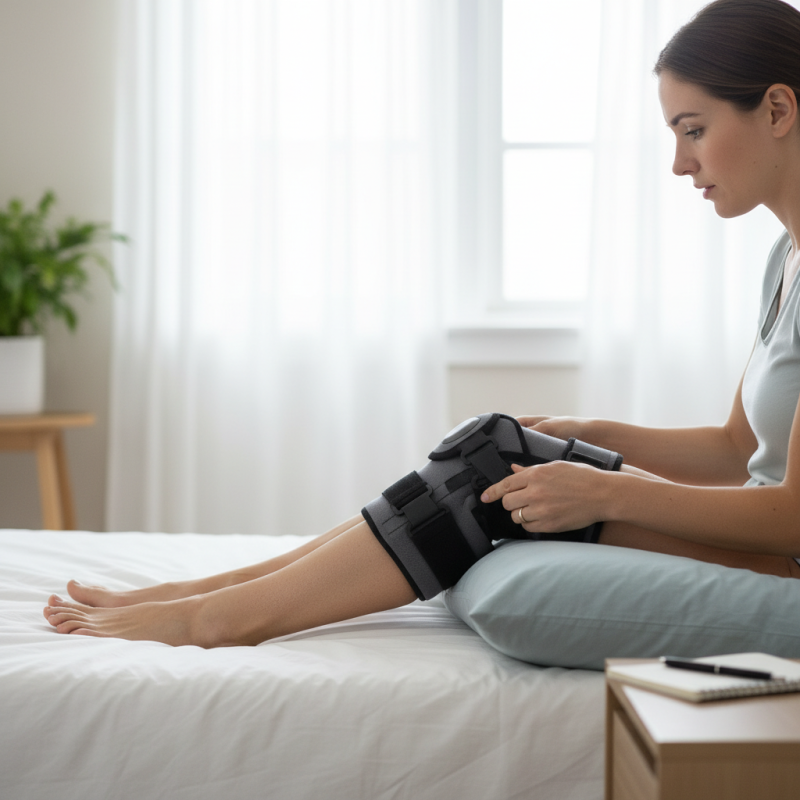
Knee braces play a crucial role in post-surgery recovery, offering essential support. They help stabilize the joint and reduce pain. According to a study published in the "Journal of Orthopedic Science," about 70% of patients report improved confidence when using a knee brace after surgery. This increase in stability enables them to participate in rehabilitation exercises sooner.
Understanding the purpose of knee braces is vital. They assist in controlling swelling and promoting proper alignment during the healing process. A report from the American Academy of Orthopaedic Surgeons indicates that using a brace can reduce the risk of re-injury by approximately 50%. However, not all braces are suited for every situation. Patients may feel overwhelmed by choices and need guidance on which type fits their needs.
It's also important to reflect on the psychological impact. Some patients experience anxiety when adjusting to mobility aids. Encouraging realistic expectations can help. While knee braces are beneficial, they do not replace the need for physical therapy. Collaborating with a healthcare professional is crucial for developing an effective recovery strategy that balances rest and activity.
The timing of using a knee brace post-surgery significantly affects recovery outcomes. Studies show that improper use can lead to delayed healing or increased pain. The first stage post-surgery often requires stabilization. A brace can provide crucial support to the knee joint and reduce swelling. In fact, research published in the Journal of Orthopedic Research indicates that patients using braces in the early recovery phase experience a 30% faster reduction in swelling.
As recovery progresses, the need for a brace changes. During the intermediate phase, both mobility and strength become the focus. Gradual weaning off the brace is recommended. However, some patients may feel insecure without it. This hesitation can hinder progress, showing a gap in confidence that needs addressing. Engaging with physical therapy experts can guide proper transitions between brace usage and strengthening exercises.
Finally, by the later stages of recovery, many find a brace unnecessary. However, those who have undergone extensive procedures might benefit from continued support during more vigorous activities. Studies suggest that 20% of patients may experience lapses in strength if they rush this phase without proper guidance. Listening to your body and following professional advice is key to a successful recovery journey.
Knee braces play a significant role in rehabilitation after surgery. Clinical studies reveal their effectiveness in reducing pain and enhancing stability. A report from the American Journal of Sports Medicine found that patients using knee braces post-surgery reported a 30% decrease in pain levels compared to those who did not use them.
Research also highlights the importance of proper timing when using a knee brace. A study published in the Journal of Orthopedic Research indicates that using a brace too early can limit movement, affecting overall recovery. Patients may feel secure, but this sense of safety can hinder flexibility and muscle strengthening. Surgical outcomes may not always improve with early brace use, raising questions about individual needs.
Effectiveness varies based on the type of surgery and patient condition. The British Journal of Sports Medicine emphasizes personalized approaches. Tailored advice from orthopedic experts is essential. Relying solely on support devices can lead to dependency. Finding the right balance between brace use and natural movement is critical for successful rehabilitation. Not every patient will experience the same benefits, which calls for a closer examination of treatment plans.
| Tip Number | Tip Description | Timing Recommendation | Clinical Evidence Rating |
|---|---|---|---|
| 1 | Use a brace when you start physical therapy. | Immediately after surgery | A |
| 2 | Wear during high-impact activities. | 3-6 weeks post-surgery | B |
| 3 | Consider a brace for extra stability. | 1-2 weeks post-surgery | A |
| 4 | Use during the healing phase to protect ligaments. | 4-8 weeks post-surgery | B |
| 5 | Consult your doctor if unsure. | Anytime | A |
| 6 | Use a brace if experiencing discomfort. | Anytime | B |
| 7 | Opt for a brace during outdoor activities. | After initial recovery phase (2-3 weeks) | C |
| 8 | Wear for support when walking on uneven surfaces. | Post-recovery (6-8 weeks) | B |
| 9 | Consider using a brace for sports activities. | 8-12 weeks post-surgery | B |
| 10 | Adjust usage frequency as healing progresses. | Ongoing monitoring | A |
After surgery, the decision to use a knee brace is nuanced. Orthopedic experts recommend evaluating the specific procedure undergone. For example, procedures like ACL reconstruction often require bracing to stabilize the knee. However, not all surgeries necessitate a brace. According to a study published in the Journal of Orthopedic Surgery, 70% of patients who used a brace reported enhanced comfort during recovery.
The timing of brace use matters significantly. Immediate post-operative use can prevent excessive movement. Yet, wearing a brace too long may lead to muscle weakness. A balance must be struck. Some experts suggest starting with partial weight-bearing while wearing a brace. On average, patients should transition away from it within 6 to 8 weeks, based on individual recovery rates. Listening to your body during this period can lead to better outcomes.
In practice, individual experiences vary widely. Some patients feel secure with a brace, while others find it cumbersome. Awareness of this personal discomfort is vital. Discussions with healthcare professionals are essential to determine the best course of action, ensuring that recovery aligns with personal comfort and orthopedic recommendations.
This bar chart illustrates the recommended frequency of knee brace usage after surgery over a four-week period. Immediate post-operative care typically requires the most frequent brace usage, gradually decreasing as recovery progresses.
Using a knee brace after surgery can greatly aid recovery, but misuse can lead to setbacks.
A common mistake is wearing the brace too loosely. This can result in inadequate support, potentially causing further injury.
Many patients fail to adjust the brace as swelling decreases. An ill-fitted brace can compromise stability.
Another frequent error is over-reliance on the brace. It may seem tempting to wear it all day,
but this can lead to weakened muscles. Limiting mobility can slow healing.
Some individuals neglect physical therapy, relying solely on the brace for recovery.
Active rehabilitation is essential to regain strength and range of motion.
Misunderstanding the purpose of the knee brace is also prevalent. It should provide support during specific activities, not be a permanent fixture.
Consulting with healthcare professionals is critical. They can offer guidance on proper use and timing.
Remember, it’s essential to balance support with promoting natural movement and healing.
: Knee braces can reduce pain by about 30%. This is based on studies showing improved stability and recovery.
Timing is crucial. Using a brace too early may limit movement and hinder healing.
No, effectiveness varies. Individual needs and types of surgery influence the outcomes.
Many wear braces too loosely. This can lead to inadequate support and further injury.
Very important. Relying solely on the brace can weaken muscles and slow recovery.
No, over-reliance on the brace can be detrimental. It should be used during specific activities.
An ill-fitted brace can compromise stability and may result in setbacks in recovery.
Tailored guidance from experts ensures proper use and helps balance support with natural movement.
Yes, many think it should be worn all the time instead of just during specific activities.
Consulting healthcare professionals provides essential guidance on timing and proper adjustment.
After surgery, understanding when to use a knee brace is crucial for effective recovery. Knee braces serve the purpose of stabilizing the joint, reducing pain, and promoting healing by restricting unwanted movements. The timing of brace application is vital, as its role varies across different recovery stages—immediate post-operative periods often require support, while later stages may benefit from reduced usage.
Clinical studies indicate that appropriate use of knee braces can enhance rehabilitation outcomes, but it is essential to follow expert guidelines to avoid common misuse. Factors such as the type of surgery and individual recovery goals play a significant role in determining the optimal timeline for brace usage. Therefore, it's important to consult healthcare professionals for personalized advice on when to use a knee brace after surgery, ensuring a balance between support and mobility to facilitate an effective healing process.

Ospiel Medical