Choosing the perfect seat cushion can significantly impact your comfort, especially if you suffer from back pain. Renowned ergonomics expert Dr. Jane Morris emphasizes, “A good seat cushion can be a game changer for those dealing with chronic discomfort.” This statement resonates with many who struggle to find relief while sitting for long periods.
When determining how to choose the right seat cushion for back pain, it is essential to consider various factors. The cushion's material and design play crucial roles in providing optimal support. Memory foam, gel, or air-filled options each have unique benefits. Additionally, the cushion's dimensions should match your chair and body type for effective relief.
Many overlook the importance of adjusting their workspace. An ideal cushion alone may not suffice without proper posture and chair alignment. Experimenting with different products can seem overwhelming. However, taking the time to find the right fit can lead to a noticeable improvement in your daily comfort.
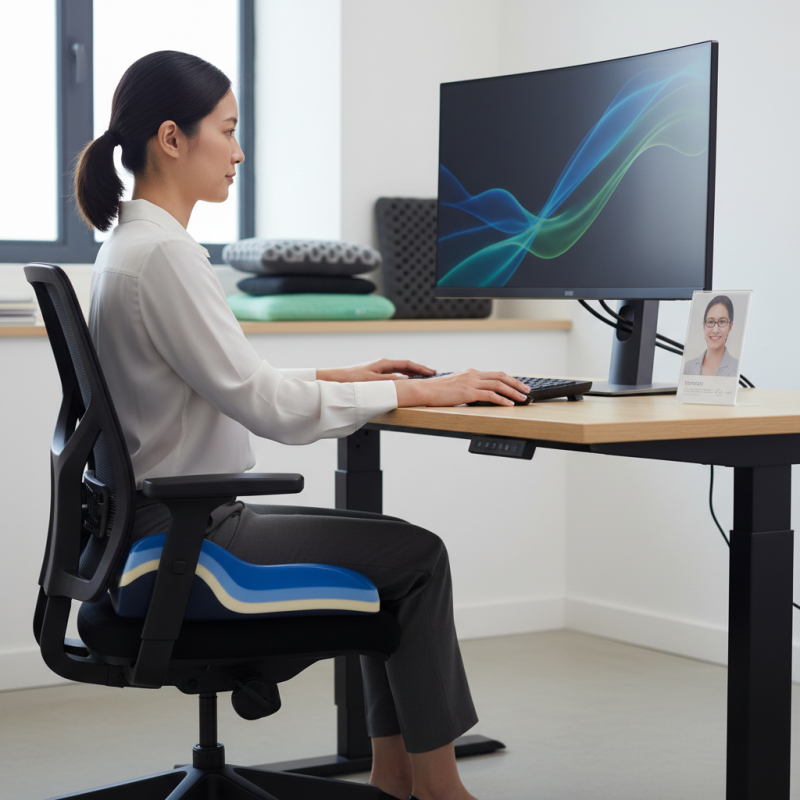
Many people experience back pain due to improper seating. Sitting for long periods, especially without support, affects the spine. According to a report from the National Institute of Health, nearly 80% of adults will experience back pain at some point. The connection between seating and pain is significant. Poor posture while sitting can place stress on back muscles.
Certain positions put excessive pressure on the lower back. For instance, slouching compresses the spinal discs. When seated, the pelvis tilts forward, resulting in discomfort. A study found that seats lacking lumbar support can exacerbate discomfort. Some might not realize they are sitting incorrectly until pain arises. Back pain can become a cycle of worsening discomfort and poor posture.
Understanding this interplay is crucial. Many individuals believe temporary relief solutions suffice. They overlook the importance of choosing appropriate seating. A good cushion can change how one sits, providing better support. Even with a cushion, awareness of posture remains vital. Lifestyle changes alongside suitable seating can lead to lasting relief. Poor choices may lead to continued pain, detracting from daily life.
Choosing the right seat cushion can significantly impact back pain relief. There are several types of seat cushions available. Each serves a different purpose. Some focus on lumbar support, while others enhance comfort during long sitting periods.
Memory foam cushions are quite popular. They mold to the body’s shape. According to industry research, over 70% of users report reduced discomfort after using memory foam cushions. These cushions distribute weight evenly. This helps alleviate pressure points, providing a feeling of weightlessness.
Gel cushions are another option. They offer coolness and comfort. Research indicates that gel cushions can reduce pain levels by around 40%, especially for those with chronic conditions. However, some find them too soft or unstable. Air-filled cushions also exist, which can be inflated to desired firmness. They allow customization but require regular maintenance. This might be a drawback for some users. Making the right choice hinges on understanding specific needs and discomfort levels.
When selecting a seat cushion for back pain relief, several key features are crucial. Look for cushions made from memory foam or gel. These materials offer good support and mold to your body shape. They distribute weight evenly, reducing pressure on your back. The right cushion provides comfort during long sitting hours.
Consider the cushion's thickness. A thicker option may provide more support, but it can also feel bulky. Aim for a balance that suits your chair and personal preference. The shape matters too. A contoured design can promote better spinal alignment.
Tips: Test the cushion if possible. Sit on it for a few minutes. Does it feel right? Some cushions might not be suitable for everyone. Pay attention to your body's response. A cushion that works for you may not work for someone else. Always reflect on your choices. Finding the right cushion is a personal journey.
| Feature | Description | Benefits |
|---|---|---|
| Material | Memory foam, gel, or latex | Provides support and distributes weight evenly |
| Shape | Contour, wedge, or traditional | Encourages proper posture and spine alignment |
| Size | Dimensions suited for personal use | Fits well on various seating surfaces |
| Cover Material | Breathable, removable, and washable | Easy maintenance and comfort |
| Anti-Slip Features | Gripped bottom or straps | Prevents shifting during use |
| Portability | Lightweight and easy to carry | Convenient for travel and multiple uses |
When using a seat cushion, placement is key. Align it with the lower back for the best support. Adjust it to your unique shape. You might find that slight movements can bring more relief. Experiment with the angle as well. Sometimes a small tilt can make a world of difference.
Don't forget to consider your chair type. Firm chairs might require a different cushion than plush ones. Take a moment to test it out for comfort. Don't hesitate to shift the cushion periodically. This can help avoid pressure points. Every posture change matters.
After a few hours, reassess. Is your back still at ease? If not, you may need to try a different cushion. Comfort is a personal journey. Find what works best for you and honor that process. Keep your long-term comfort in mind as well. Sometimes, it takes a few trials to get it right.
Maintaining back health while sitting goes beyond having the right cushion. Proper posture is key. Sit all the way back in your chair. Your shoulders should be relaxed. Keep your feet flat on the ground. It may feel uncomfortable at first, but your body will adapt.
Remember to take breaks. Stand up every 30 to 60 minutes. Stretch your back and neck during these breaks. This can help reduce tension. Try doing simple stretches at your desk. Lean side to side or twist gently. Each movement helps alleviate stiffness.
Hydration is crucial too. Drink plenty of water throughout the day. Staying hydrated keeps your discs healthy. Also, be mindful of your screen height. Your eyes should align with the top of your monitor. Adjust your screen height if needed. It requires constant adjustment, but the benefits are worth it. Small changes can lead to significant improvements in your comfort and health.
This chart illustrates the average user satisfaction levels for different types of seat cushions used for back pain relief. Memory foam and wedge cushions tend to provide higher satisfaction, while donut cushions receive the lowest ratings. Choosing the right cushion can greatly enhance comfort and support during prolonged sitting.
: Back pain often arises from improper seating and prolonged sitting. Poor posture places stress on back muscles.
Poor sitting positions, like slouching, compress spinal discs and strain the lower back. Awareness of posture matters.
Choose cushions made from memory foam or gel for good support. They should mold to your body shape and distribute weight evenly.
Balance thickness with comfort. A thicker cushion may offer more support but can also feel bulky. Test before purchasing.
No, cushions vary in effectiveness. What works for one person may not work for another. Pay attention to your body's response.
Sit all the way back, keep feet flat, and take breaks every 30 to 60 minutes. Stretching helps ease tension.
Staying hydrated maintains healthy discs. Water helps keep your spine in good condition while sitting for long periods.
Your eyes should align with the top of your monitor. Adjust as needed for better posture and comfort.
A cushion helps, but proper posture and lifestyle changes are crucial for lasting relief. Remember to reflect on your choices.
Test different cushions and observe their effects. Adjust your sitting habits and be consistent for best results.
When considering how to choose the right seat cushion for back pain, it's essential to first understand the underlying causes of discomfort related to seating. Various factors such as poor posture, inadequate support, or prolonged sitting can contribute to back pain. By exploring different types of seat cushions available, individuals can find options that offer targeted relief and improved spinal alignment.
Key features to look for in an effective seat cushion include adequate firmness, ergonomic design, and materials that promote airflow and heat dissipation. Additionally, proper usage of the cushion—ensuring it fits well with the chair and aligns with the body's natural curvature—can enhance comfort. Lastly, maintaining back health while sitting can be supported by incorporating regular movement breaks and practicing good posture. Overall, selecting the appropriate seat cushion is a significant step toward alleviating back pain and enhancing overall well-being.

Ospiel Medical