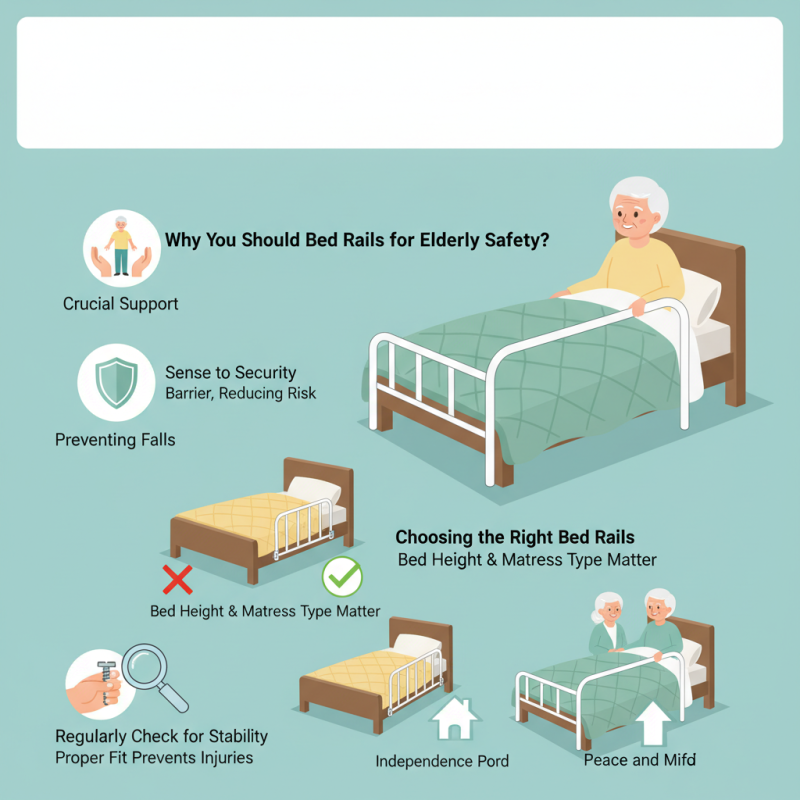
As our loved ones age, ensuring their safety at home becomes increasingly important. One effective solution is installing bed rails. Bed rails provide crucial support, helping prevent falls and giving older adults a sense of security. They serve as a barrier, reducing the risk of nighttime accidents. Understanding how to install bed rails for elderly safety is essential for family members and caregivers alike.
Choosing the right bed rails is just as important as installation. Factors like bed height and mattress type can affect their effectiveness. Improperly installed rails may lead to more harm than good. They can make it harder for an elderly person to get in and out of bed comfortably. Therefore, careful planning is vital.
When considering installation, be aware of common pitfalls. It is crucial to regularly check the rails for stability and adjust them as needed. Ensuring proper fit can also prevent injuries. Educating yourself on how to install bed rails for elderly safety is a step towards not just independence, but also peace of mind for all involved.
Importance of Bed Rails for Fall Prevention in Elderly
Installing bed rails for elderly safety is crucial in preventing falls. Many elderly individuals face the risk of falling out of bed during the night. Bed rails offer a physical barrier that helps keep seniors in bed while providing a sense of security. They help reduce anxiety during sleeping hours. When seniors feel secure, they enjoy better sleep quality.
Tip: Choose bed rails that are adjustable and easy to attach to the bed. This ensures a better fit for different mattress sizes. It's essential to check the stability of the rails regularly. Loose or improper installation can lead to accidents, defeating the purpose of safety.
It’s important to consider individual needs. Not all seniors require the same level of support. Some may need a rail to assist with getting in and out of bed. Others may only need a small barrier for peace of mind. Engaging seniors in this decision can help them feel in control. This can also lead to better adherence to safety measures.
Tip: Regularly assess the effectiveness of the bed rails. Look for signs of wear or damage, as these could compromise safety. Discuss any concerns with caregivers or family members to ensure ongoing support for the elderly.
Importance of Bed Rails for Fall Prevention in Elderly
Types of Bed Rails Suitable for Seniors
When considering bed rails for seniors, various types are available. Each type serves distinct purposes, enhancing safety and comfort.
Safety rails are essential for preventing falls during the night. Statistically, falls are the leading cause of injury among seniors, with nearly 36 million reports each year. This emphasizes the importance of having reliable safety equipment at home.
Another category is assistive rails, designed to help seniors get in and out of bed. These rails often feature ergonomic grips. They can reduce the risk of falls significantly. A study indicated that using assistive devices like these can improve mobility among nearly 60% of elderly users.
Moreover, there are adjustable bed rails that cater to different bed heights. This versatility is crucial, as not all beds are uniform in size. Adjustable models can accommodate various preferences and needs. However, some seniors may find installation challenging. This highlights the need for user-friendly designs. Safety in the home is paramount, but so is making these devices accessible and easy to use.
How to Properly Install Bed Rails for Safety
When considering bed rail installation for elderly safety, it is crucial to focus on proper methods. Start by selecting the right type of bed rails. Look for those designed with safety in mind. Consider adjustable options that fit various bed sizes. Ensure they meet safety standards.
Next, gather the necessary tools. A screwdriver, adjustable wrench, and measuring tape are essential. Carefully measure the bed's height and width. This will ensure a secure fit. Position the rails at the bedside. Tighten the screws, ensuring they are snug but not over-tightened. This may cause damage.
Regularly check the installation. Loose screws can be a hazard. Observe how the elderly person interacts with the rails. Are they using them correctly? If not, adjustments may be needed. It’s okay to seek help from professionals if uncertain. Safety should always come first.
Considerations for Choosing the Right Bed Rails
When choosing bed rails for elderly safety, several factors must be considered. First, the type of bed frame and mattress height play a crucial role. According to a report by the National Institute on Aging, falls are a leading cause of injury among seniors. Adjustable height bed rails offer versatility, accommodating various bed styles.
Material matters too. Steel is often recommended for its durability, while softer materials may provide comfort. A study by the American Geriatrics Society emphasizes that seniors benefit from features like non-slip grips and padded edges.
Tips for selecting the right bed rails: Ensure they are easy to install and remove. Look for rails with adjustable widths to fit snugly against the mattress. Always check for safety certifications, as these can indicate reliable quality. Keeping safety in mind is essential, yet some users may overlook regular maintenance checks, which can lead to unforeseen hazards.
Consider the design and functionality as well. Opt for rails that blend well with home decor but prioritize safety over aesthetic appeal. Thoughtful selection can significantly reduce the risk of falls, providing peace of mind for caregivers and seniors alike.
Maintaining and Inspecting Bed Rails for Long-Term Use
When caring for the elderly, it's crucial to prioritize safety, especially in their sleeping environment.
Bed rails can significantly decrease the risk of falls. However, their effectiveness hinges on consistent maintenance and regular inspections.
Research indicates that nearly 70% of falls occur at night, highlighting the need for secure sleeping arrangements.
Regular checks ensure bed rails remain firmly attached and free from wear or damage.
Inspecting bed rails should be a routine task. Look for loose screws or any signs of corrosion.
Over time, the integrity of bed rails can diminish, leading to potential hazards. Reports suggest that about 30% of installed bed rails are not properly secured,
which undermines their safety features. Ensuring that they are correctly positioned and functional can provide peace of mind for both caregivers and the elderly.
Caregiver training plays a vital role in fostering safe environments. Understanding how to properly use and inspect bed rails can mitigate risks.
Engaging with healthcare professionals for guidance enhances knowledge and confidence. Remember, not all bed rails are created equal.
It's essential to explore options that best fit individual needs and circumstances. Prioritizing these factors can create a safer sleeping environment for the elderly.
FAQS
: There are safety rails, assistive rails, and adjustable bed rails. Each type serves a unique purpose.
Safety rails help prevent falls during the night, which are a leading cause of injuries in seniors.
Assistive rails aid seniors in getting in and out of bed, improving mobility for around 60% of users.
Adjustable bed rails accommodate different bed heights and can suit various preferences and needs.
Consider the bed frame type, mattress height, and ease of installation to ensure safety and comfort.
Durable materials like steel are recommended, while softer materials may enhance comfort and safety features.
Choose rails with non-slip grips and padded edges, and ensure they meet safety certifications.
Regular maintenance checks are often neglected, leading to possible hazards that could be avoided.
While aesthetics matter, safety should always take priority over how well rails match the decor.
Some seniors might find installing adjustable rails challenging, highlighting the need for user-friendly designs.
Conclusion
Installing bed rails is essential for enhancing safety and preventing falls among the elderly. Bed rails provide stability and help seniors maintain their independence by making it easier for them to get in and out of bed safely. When choosing bed rails, it is crucial to consider factors such as durability, height, and compatibility with the bed type to ensure maximum effectiveness.
Understanding how to install bed rails for elderly safety is equally important. Proper installation not only secures the rails but also minimizes the risk of accidents. Regular maintenance and inspection of the bed rails are necessary to ensure they remain safe for use over time. By following these guidelines, caregivers can significantly improve the safety and well-being of elderly individuals in their care.

 Ospiel Medical