Infrared therapy has moved from wellness studios into homes, clinics, and rehabilitation settings. Many people now ask, “can infrared therapy improve blood circulation?” The honest answer is cautiously positive, but not definitive. Infrared devices use light or radiant heat to warm tissues and may encourage temporary blood-vessel widening. That response can create warmer hands, relaxed muscles, and a visible flush across the skin.
The details matter. Near-infrared panels, infrared saunas, and medical light devices do not deliver identical wavelengths or intensities. Some small studies report improved peripheral circulation, reduced stiffness, or better exercise recovery. However, research quality varies, and short-term warmth is not proof of lasting cardiovascular improvement. The evidence remains uneven. A warm sensation can feel convincing, yet it may reflect surface heating rather than deeper changes in blood flow.
This 2026 guide examines the best infrared therapy options through safety, design, clinical evidence, and practical value. It considers treatment distance, session length, temperature control, eye protection, and device certification. People with circulation disorders, diabetes, heart conditions, pregnancy, or reduced heat sensation should seek medical advice before use. Do not replace prescribed treatment with a glowing panel. That would be unwise. Infrared therapy may support comfort and temporary circulation changes, but its benefits depend on the device, the user, and the condition being treated. A balanced review must also admit what remains uncertain.
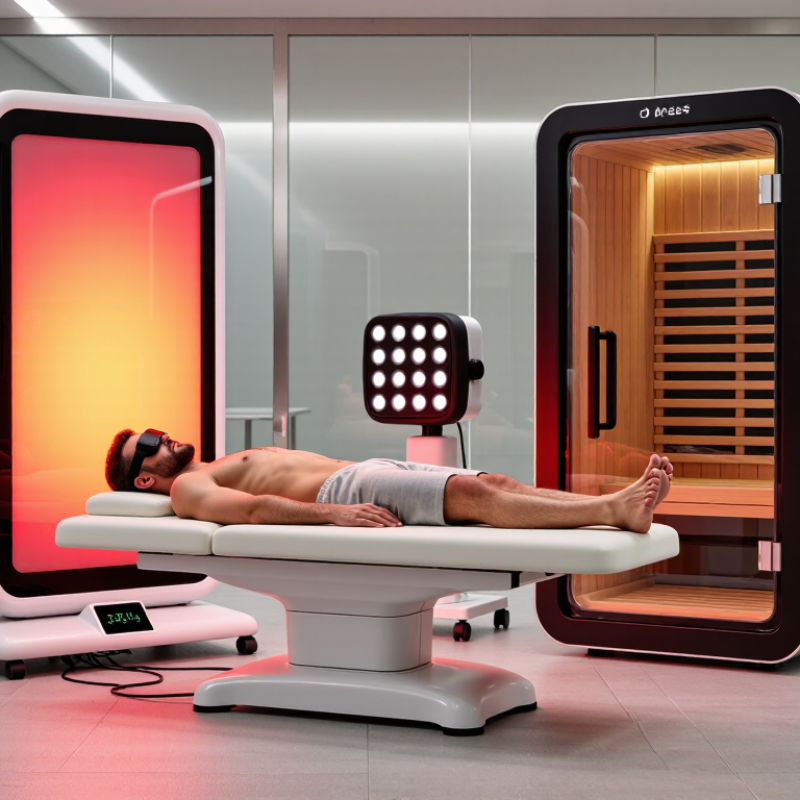
Infrared therapy uses invisible wavelengths of light to deliver gentle energy to the body. Near-infrared light may reach shallow tissues, while longer wavelengths mainly create warmth at the skin’s surface. That warmth can widen nearby blood vessels, a process called vasodilation. Blood may then move more easily through the treated area.
The mechanism sounds simple, but the evidence is not equally strong for every infrared device. Some studies suggest temporary improvements in local circulation, skin temperature, or muscle comfort. These effects do not prove that infrared therapy treats poor circulation or vascular disease. A cooler foot or persistent numbness deserves medical assessment. It would be careless to replace professional care with a home session.
Tips: Follow the device instructions and start with a short session. Keep the light source at the recommended distance. Avoid staring into bright infrared lamps. Check your skin during treatment, especially if you have reduced sensation. Stop if burning, dizziness, unusual pain, or lasting redness appears. People with circulation disorders, diabetes, pregnancy, or implanted medical devices should ask a qualified clinician first. Results can vary. That matters.
Infrared energy may affect blood circulation mainly through warmth and cellular responses.
When skin absorbs infrared energy, local tissues can heat gently. Small blood vessels may widen, allowing more blood to reach the treated area. This can create a warm, flushed feeling, especially across the hands, feet, or lower legs.
Near-infrared light is different from far-infrared heat. Researchers are studying whether specific wavelengths influence nitric oxide, vessel function, and local blood flow. Some small studies report improved circulation after controlled exposure.
However, results vary by wavelength, intensity, treatment time, and participant health. The evidence is promising, but not complete. More large, well-designed clinical trials are needed.
A practical session should feel comfortably warm, not painful or intensely hot. Redness that fades quickly may occur. Dizziness, burning, unusual swelling, or persistent skin changes deserve attention.
People with poor circulation, diabetes, heart conditions, reduced heat sensitivity, or circulation-related medication should seek medical advice first. Infrared therapy should not replace evaluation for cold feet, leg pain, numbness, or slow-healing wounds.
The mechanism sounds straightforward, yet real circulation problems are rarely simple. Temperature alone may improve comfort without correcting the underlying cause.
In 2026, infrared therapy includes several distinct approaches, not one universal treatment. Near-infrared light devices use shorter wavelengths that may reach superficial tissues. They are commonly studied for photobiomodulation, muscle recovery, and local blood-flow changes. Far-infrared therapy uses longer wavelengths and produces gentle heat. Infrared saunas apply this method across the body, often causing sweating and temporary skin warmth.
Another option is an infrared panel or flexible light mat. These products can target the back, legs, or shoulders. Some clinics also use controlled infrared lamps during rehabilitation sessions. In practical use, a warm panel may make cold hands feel more comfortable within minutes. That feeling is real, but it does not prove improved circulation throughout the body.
The evidence remains uneven. Small studies suggest infrared exposure may support blood-vessel dilation and circulation in selected adults. Results can depend on wavelength, dose, session length, and a person’s health. More heat is not necessarily better. I would avoid treating infrared therapy as a replacement for medical care, especially with diabetes, poor sensation, heart disease, or circulation disorders. Check device instructions carefully, protect the eyes when required, and stop if dizziness, burning, or unusual paleness appears. A clinician can help distinguish temporary warmth from a meaningful circulatory benefit. That distinction matters.
Infrared therapy may improve local blood flow by warming tissue and encouraging blood-vessel dilation. However, circulation claims often exceed the evidence. A 2023 review in Photobiomodulation, Photomedicine, and Laser Surgery found promising vascular effects, but studies used different wavelengths, doses, and treatment times. That makes direct comparison difficult. The evidence is encouraging, not conclusive.
Safety deserves equal attention. The International Commission on Non-Ionizing Radiation Protection states that excessive infrared exposure can raise tissue temperature and injure skin or eyes. Reported risks include burns, dehydration, dizziness, and temporary blood-pressure changes. People with heart disease, poor temperature sensation, uncontrolled hypertension, or pregnancy should seek medical advice first. Never treat infrared exposure as a replacement for prescribed circulation care. I would not call every glowing panel clinically equivalent.
Tips: Begin with short sessions and moderate heat. Keep water nearby. Stop if you feel faint, nauseated, unusually tired, or develop skin redness that persists. Protect your eyes when recommended, and avoid sleeping during treatment. Check the device’s wavelength, irradiance, treatment distance, and safety instructions. “More heat” is not automatically better. A 2024 review in the Journal of Clinical Medicine also emphasized inconsistent protocols, suggesting that personal results may vary substantially. Record session length, symptoms, and blood-pressure changes, but discuss concerning patterns with a qualified clinician.
2026 Best Infrared Therapy: Can It Improve Blood Circulation?
How to Evaluate Infrared Therapy for Circulation Support
Infrared therapy may warm the skin and temporarily increase superficial blood flow. That does not prove it improves deeper circulation or treats artery disease. Evaluation should begin with the device’s wavelength, irradiance, treatment distance, and temperature control. These details matter more than glowing panels or impressive claims. A reliable product should provide clear specifications and safety instructions.
Look for human studies with measurable outcomes, such as skin blood flow, walking distance, or medically assessed vascular function. A warm hand is not enough evidence. Neither is temporary redness. I would compare results with a placebo-controlled study, when available, and check who funded the research. Small studies can be useful, but their findings may not apply to older adults or people with diabetes.
Use a simple observation log. Record session length, skin temperature, comfort, and any changes in numbness or pain. Stop if burning, dizziness, swelling, or unusual skin changes appear. People with reduced sensation may not notice excessive heat. Those with vascular disease, diabetes, photosensitivity, or medication concerns should ask a qualified clinician before use. My initial mistake would be equating comfort with treatment success. The more honest question is narrower: does this specific device produce a safe, repeatable benefit for this person?
Infrared therapy uses invisible light or gentle heat. Near-infrared light may reach shallow tissues. Far-infrared mainly warms the skin. It is simple, but not magic.
Warmth can widen nearby blood vessels. Blood may move more easily through the treated area. A warm hand does not prove better whole-body circulation.
Some studies suggest temporary local changes in blood flow and skin temperature. They do not prove treatment of vascular disease. Persistent numbness or a cool foot needs medical assessment. I would not replace prescribed care with home treatment.
Options include near-infrared devices, far-infrared saunas, light panels, flexible mats, and controlled lamps. A panel may warm cold hands within minutes. That comfort is real, but limited.
Infrared exposure may support local warmth, muscle comfort, recovery, and temporary blood-flow changes. Results depend on wavelength, dose, distance, and session length. More heat is not automatically better.
Excessive exposure may cause burns, dehydration, dizziness, eye injury, or temporary blood-pressure changes. Persistent redness matters. Stop if symptoms appear.
Start with a short session and moderate heat. Follow the recommended distance. Keep water nearby. Protect your eyes when instructed. Check your skin during treatment. Never sleep during treatment.
People with diabetes, heart disease, circulation disorders, reduced temperature sensation, uncontrolled hypertension, pregnancy, or implanted devices should ask first. A clinician can separate temporary warmth from meaningful benefit. That distinction matters.
Infrared therapy uses invisible light energy to gently warm the body and may encourage local blood vessels to relax and widen. This process could support circulation by increasing blood flow near the treated area, improving tissue warmth, and helping muscles recover after physical activity. However, its effects may vary depending on the wavelength, treatment method, session length, and individual health condition. In 2026, available options may include near-infrared devices, far-infrared heat systems, light panels, wraps, and professionally supervised treatments.
The question “can infrared therapy improve blood circulation” does not have a universal answer, as research findings and individual responses can differ. Possible benefits may include temporary relief from muscle tension, improved comfort, and support for circulation in specific areas, but infrared therapy should not replace medical care for vascular disease or other serious conditions. Users should consider heat sensitivity, skin conditions, pregnancy, implanted medical devices, and medications before treatment. Evaluating safety, treatment evidence, temperature control, session guidance, and advice from a qualified healthcare professional can help determine whether it is appropriate.

Ospiel Medical