Is It Safe to Sleep on a Massage Seat Cushion in 2026?

Time:2026-09-24 Author:Madeline
0%

Many people use massage seat cushions after long drives, desk hours, or physically demanding work. The warmth feels relaxing against tired muscles. The vibration can also make a quiet room feel sleepier. However, comfort does not automatically mean safety. The question “is it safe to sleep on a massage seat cushion” deserves careful attention in 2026.

A massage cushion is designed for temporary use, not uninterrupted overnight contact. Remaining in one position may increase pressure on the back, hips, or legs. Heat can become difficult to notice during deep sleep. Electrical cords and motors also require proper placement, ventilation, and inspection. A damaged cable, unusual smell, or unusually hot surface should end use immediately. Small details matter.

Health professionals commonly recommend following the manufacturer’s time limits and avoiding use while sleeping. People with reduced sensation, circulation problems, diabetes, pregnancy-related concerns, or implanted medical devices should seek professional advice first. The same caution applies after surgery or during unexplained pain. A timer may reduce risk, but it cannot replace supervision. That point is easy to overlook.

This article examines realistic benefits, possible hazards, safer resting habits, and warning signs that should not be ignored. It also considers how cushion design, heat settings, body position, and personal health can change the answer. Evidence and manufacturer guidance remain more reliable than online anecdotes. Still, uncertainty exists. A product that feels gentle for ten minutes may become uncomfortable after several hours. That difference deserves honest reflection before anyone treats a massage cushion like a bed.
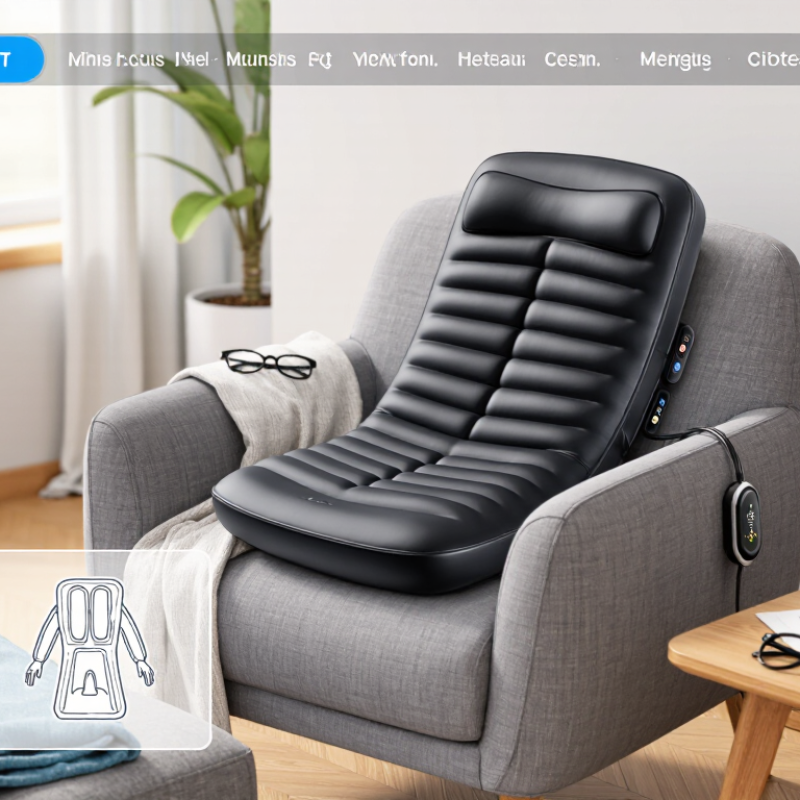
Is It Safe to Sleep on a Massage Seat Cushion in 2026?

How Massage Seat Cushions Work During Rest

A massage seat cushion uses small motors to move rollers or vibration nodes beneath the upholstery. Some models add gentle heat. These features provide brief mechanical stimulation; they do not reproduce a therapist’s hands or guarantee better sleep. During rest, pressure can feel soothing at first, but a roller may press repeatedly against the same spot. You might not notice discomfort once drowsy.

Evidence is limited. A 2019 review in Sleep Medicine Reviews examined massage and sleep outcomes, but the studies varied in quality and method. That makes broad claims about falling asleep faster hard to support. The American Academy of Sleep Medicine recommends adults get at least seven hours of sleep regularly (SLEEP, 2015, 386:843–844). A cushion should not replace that basic need. Small detail, but important.

If you use one while winding down, choose the lowest setting, set a short timer, and keep the controls within reach. Stop if you feel numbness, pain, skin irritation, or unusual warmth. Avoid placing direct heat against bare skin, especially if sensation is reduced. The CDC reported that about one in three U.S. adults did not get enough sleep, based on 2014 survey data (MMWR, 2016). A cushion may make a chair more comfortable, but sleeping in one can leave your neck or back awkwardly bent. I would not treat “it feels relaxing” as proof that it is safe all night.

Why Sleeping on a Massage Cushion Differs From Short-Term Use

Is It Safe to Sleep on a Massage Seat Cushion in 2026?

Short-term massage and overnight sleep create very different safety conditions. During a brief session, you can notice excessive pressure, heat, tingling, or discomfort. You can also stop the device immediately.

Sleep removes that awareness. Your body may remain in one position for hours. Repeated kneading can irritate muscles, compress nerves, or worsen existing soreness. Heat can become uncomfortable before you fully wake. A cushion may also shift under your hips or back, affecting posture and breathing.

That matters.

A massage cushion is usually designed for seated, supervised use. It is not automatically tested for continuous operation during sleep. Read the current instructions carefully, especially time limits, heat settings, and automatic shutoff features. Automatic shutoff helps, but it does not make overnight use risk-free.

In practical terms, use the lowest comfortable setting for a short session while awake. Keep your skin uncovered enough to notice unusual warmth. Stop if you feel numbness, sharp pain, dizziness, or lingering tenderness. People with reduced sensation, circulation problems, implanted medical devices, pregnancy-related concerns, or chronic back conditions should ask a qualified clinician first.

I once assumed that gentle movement was harmless. That assumption was too simple. Comfort during ten minutes does not prove safety after eight hours. A bed pillow and a massage cushion also support the body differently. Sleeping without the cushion is the safer choice when the instructions do not clearly permit extended use.

Is It Safe to Sleep on a Massage Seat Cushion in 2026?

Sleeping on a massage cushion differs from short-term use mainly because exposure may continue for hours instead of minutes. The chart compares a 15-minute massage session with 8 hours of sleep. Eight hours equals 480 minutes, while the commonly recommended sleep duration for adults is 7–9 hours, or 420–540 minutes.

A longer exposure can increase the chance of discomfort, skin pressure, numbness, overheating, or failing to notice pain. There is no general evidence that sleeping on a massage seat cushion is safe for everyone. Use the cushion only as directed, avoid falling asleep while it is operating, and seek medical advice if you have reduced sensation, circulation problems, diabetes, pregnancy-related concerns, or another relevant medical condition.

Potential Risks of Prolonged Massage While Sleeping

Is It Safe to Sleep on a Massage Seat Cushion in 2026?

Potential Risks of Prolonged Massage While Sleeping

Falling asleep on a massage seat cushion may seem harmless, especially after a long day. However, prolonged pressure can irritate muscles, nerves, or sensitive skin. Sleep also reduces your awareness of pain, tingling, excessive heat, or changing pressure. A warning may arrive too late.

Many cushions use rolling, kneading, vibration, or warmth. Continuous heat can cause redness, dehydration, or low-temperature burns, even without sharp pain. Firm massage may worsen existing inflammation, bruising, nerve problems, or circulation concerns. People with diabetes, reduced sensation, vascular conditions, or recent injuries should ask a qualified clinician before using one. Pregnancy and certain medical treatments also require individual guidance.

I once assumed that an automatic shutoff made overnight use safe. That assumption is incomplete. A timer limits operation, but it cannot assess your posture, skin sensitivity, or medical history. Check the instruction manual and use the shortest comfortable setting while awake. Keep clothing and skin protected from intense heat, and stop immediately if numbness, weakness, dizziness, swelling, or lingering soreness appears. Never place heavy bedding over a heated cushion. Children and anyone unable to respond normally should not use it unsupervised. A relaxed back can hide a developing problem.

Who Should Avoid Sleeping on a Massage Seat Cushion

Sleeping on a massage seat cushion is not equally safe for everyone in 2026. People with reduced sensation should avoid it, especially those with diabetes-related neuropathy. Numb skin may not detect excessive pressure, vibration, or heat. A small red mark can become a serious injury before the sleeper wakes. The CDC’s National Center for Health Statistics reported that 35.2% of U.S. adults slept fewer than seven hours in 2020. Poor sleep already affects recovery and pain sensitivity. Adding unattended massage may complicate both problems.

Pregnant people should ask an obstetric professional before using strong vibration or heat. Anyone with a pacemaker, implanted device, blood-clot history, circulation problems, osteoporosis, or recent surgery needs individual medical advice. People taking sedating medicines should also avoid sleeping during massage. They may not respond quickly to discomfort.

Children and adults who cannot communicate pain reliably should never use a cushion unattended. The American Academy of Sleep Medicine recommends at least seven hours for healthy adults, not prolonged device use as a substitute for sleep.

Safer use

Keep the session short, use the lowest comfortable setting, and switch off heat. I would not rely on an automatic timer completely. A timer can fail, and real-life bodies are unpredictable.

Stop using the cushion if numbness, swelling, unusual pain, skin discoloration, or dizziness appears, and seek medical guidance.

Safer Ways to Use a Massage Seat Cushion at Night

Is It Safe to Sleep on a Massage Seat Cushion in 2026?

A massage seat cushion is not designed to replace a safe sleep surface. Falling asleep during vibration can keep your neck bent, compress your legs, or hide rising heat. The American Academy of Sleep Medicine recommends at least seven hours of sleep for most adults. Yet, the CDC’s Behavioral Risk Factor Surveillance System found that about 35% of U.S. adults reported insufficient sleep. Fatigue makes accidental dozing more likely.

Use the cushion before bedtime, not throughout the night. Choose the lowest intensity and avoid heat if you have reduced sensation, diabetes, circulation problems, or unexplained pain. Set a short timer, such as 10 to 15 minutes. Keep your back supported, feet on the floor, and the power cord away from walkways. Inspect the cushion for damaged wiring or unusual warmth. Small details matter.

The American Academy of Sleep Medicine and Sleep Research Society describe regular sleep as a health priority, not a luxury. A massage session may help you relax, but evidence does not prove that overnight use improves sleep quality. I would never rely on a cushion to manage persistent pain. Ask a qualified clinician instead, especially after surgery or with numbness. Stop immediately if you feel dizziness, tingling, skin redness, or discomfort. My own cautious view is imperfect: a timer can fail, and tired users can ignore it. Bedtime relaxation should end before sleep begins.

Is It Safe to Sleep on a Massage Seat Cushion in 2026? - Safer Ways to Use a Massage Seat Cushion at Night

Safety dimension What is known Safer nighttime practice Risk level
Sleeping during massage A sleeping user may not notice excessive pressure, pain, numbness, skin irritation, or overheating. Most massage cushions are designed for temporary sessions rather than continuous overnight use. Do not use the cushion while asleep. Set a short timer and remain awake and able to stop the device immediately. High
Session duration Longer exposure increases the opportunity for soreness, bruising, skin irritation, or pressure-related discomfort. Automatic shutoff timers commonly limit a session, but the exact limit varies by device. Begin with the lowest setting for about 10 minutes. Stop sooner if discomfort occurs, and follow the specific instructions supplied with the cushion. Moderate
Heat function Heat can reduce the ability to notice excessive warmth, especially when a person is drowsy or has reduced sensation. Prolonged low-temperature heat exposure can injure skin. Avoid heat when sleepy. Use the lowest heat setting only while awake, and inspect the skin after use. Never place additional blankets over an active heated cushion. High
Pressure and positioning A fixed massage mechanism can apply repeated pressure to the same area. Poor posture or slumping may increase strain in the back, neck, or hips. Sit upright, keep both feet supported, use moderate intensity, and reposition if pressure feels concentrated in one area. Moderate
Reduced sensation Diabetes-related neuropathy, nerve disorders, spinal conditions, or certain medications may reduce the ability to feel pain or heat. Ask a healthcare professional before using a massage cushion if sensation is reduced or if you have a condition affecting nerves or circulation. High
Circulation and clot risk Massage is not a treatment for suspected deep-vein thrombosis. One-sided leg swelling, warmth, redness, or unexplained calf pain requires prompt medical assessment. Do not massage a painful or swollen area. Avoid use and seek medical advice if you have a history of blood clots or are taking blood-thinning medication. High
Pregnancy and recent procedures Pregnancy, recent surgery, acute injury, osteoporosis, or other medical conditions may require individualized precautions. Obtain clearance from a qualified healthcare professional before using a massage cushion in these situations. High
Skin condition Friction, pressure, and heat can aggravate open wounds, rashes, bruising, infections, or inflamed skin. Keep the cushion away from damaged or inflamed skin until it has healed or a clinician confirms that use is appropriate. Moderate
Electrical and fire safety Damaged cords, liquid exposure, blocked ventilation, or use while unattended can create electrical or overheating hazards. Inspect the cord and housing, keep the unit dry and uncovered, use the correct power source, and unplug it after use. Moderate
Warning symptoms Sharp pain, persistent numbness, weakness, dizziness, skin discoloration, blistering, or unusual swelling is not a normal reason to continue. Stop immediately. Seek urgent medical care for severe symptoms, breathing difficulty, chest pain, or sudden weakness. High
Practical takeaway: A massage seat cushion should not be used as a sleep surface or left running overnight. For evening relaxation, use the lowest comfortable intensity for a short, timed session while awake, then switch to non-powered options such as gentle stretching, breathing exercises, or a supportive pillow.
This table provides general safety information and does not replace the device instructions or individualized medical advice.

FAQS

How does a massage seat cushion work?

Small motors move rollers or vibration nodes under the upholstery. Some cushions also provide gentle heat. They offer mechanical stimulation, not a therapist’s hands.

Can it help you fall asleep faster?

Evidence is limited, and studies differ in quality and method. Feeling relaxed does not prove you will sleep better. That distinction matters.

Is it safe to sleep on one all night?

Sleeping with a massage cushion is riskier than using it briefly while awake. You may not notice pressure, heat, or discomfort for hours. Sleeping without it is safer when instructions do not allow extended use.

How can I use one more cautiously while winding down?

Choose the lowest comfortable setting and use a short session. Keep the controls within reach, and follow the cushion’s time limits. Turn off the heat if you are unsure.

Who should get medical advice before using one?

Ask a qualified clinician if you have reduced sensation, circulation problems, an implanted device, recent surgery, or a chronic back condition. Pregnancy-related concerns also deserve individual advice.

Why can reduced sensation increase risk?

Numb skin may not detect excessive pressure or warmth. A red mark or irritation could go unnoticed. Children and people unable to communicate pain should never use one unattended.

What signs mean I should stop?

Stop if you feel numbness, sharp pain, dizziness, unusual warmth, swelling, or skin irritation. Seek medical guidance if symptoms persist or seem unusual. Do not rely only on an automatic timer.

Does a comfortable short session mean overnight use is safe?

No. I once assumed gentle movement was harmless, but that was too simple. Ten comfortable minutes do not prove safety after hours in one position.

Conclusion

Is it safe to sleep on a massage seat cushion? In most cases, it is not recommended to leave the massage function running while you sleep. These cushions use vibration, rolling, heat, or pressure to relax muscles, but sleep reduces your awareness of discomfort and makes it harder to notice excessive pressure, overheating, numbness, or skin irritation. Unlike short-term use, prolonged massage may strain sensitive areas, worsen existing pain, disturb sleep quality, or place unnecessary stress on circulation and nerves.

People with reduced sensation, circulation problems, nerve conditions, recent injuries, chronic pain, pregnancy-related concerns, or implanted medical devices should seek professional advice before using one. A safer nighttime approach is to use the cushion while awake, choose the gentlest setting, limit each session according to the instructions, and turn off heat if you are sensitive to warmth. Inspect your skin afterward, avoid falling asleep during operation, and use the cushion only as a brief relaxation aid rather than an overnight sleep surface.

Madeline

Madeline

Madeline is a dedicated marketing professional with a wealth of expertise in our company's core offerings. With a keen understanding of the industry, she brings a unique perspective to her role, consistently delivering high-quality content that highlights the superior aspects of our products. As......